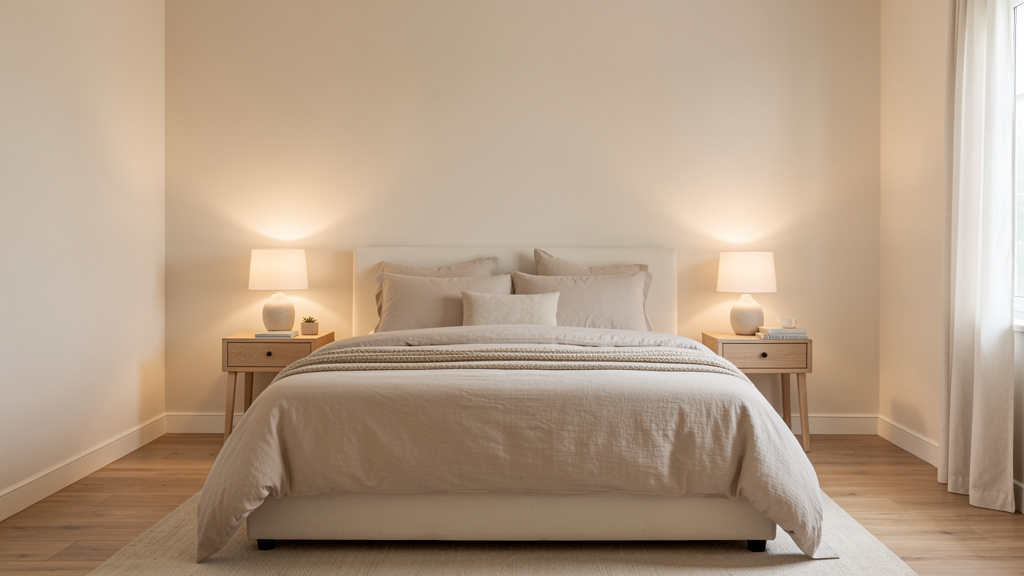
Where ancient spatial wisdom converges with modern neuroscience to transform your bedroom into a thoughtfully crafted haven for restorative rest
Imagine sinking into bed each night with a profound sense of calm, your body naturally unwinding as your environment silently supports your physiology. You wake not to an alarm’s jarring shriek, but to gentle sunlight filtering through thoughtfully placed curtains, feeling genuinely restored. This isn’t a luxury reserved for spa retreats—it’s the tangible outcome of intentionally designing your sleep environment where evidence-based science validates time-honored spatial principles. In this definitive guide, we bridge millennia of Feng Shui philosophy with contemporary sleep research, environmental psychology, and circadian biology to deliver an actionable, deeply personalized blueprint for optimizing the one room where you invest one-third of your life. No mystical claims, no overwhelming overhauls—just clear, step-by-step strategies shown to support relaxation, deepen restorative sleep phases, and cultivate lasting tranquility.
Introduction: Why Your Bedroom Layout Is Your Silent Sleep Partner
Your bedroom is far more than a container for furniture. It functions as an active participant in your sleep architecture—a dynamic ecosystem of light, sound, airflow, spatial relationships, and psychological cues that directly communicate with your nervous system. Consider this: when you enter a cluttered, visually chaotic room with electronics glowing in the dark, your amygdala (the brain’s threat detector) may remain subtly activated. Conversely, a space with balanced proportions, soothing textures, and intentional sightlines signals safety to your primal brain, allowing the parasympathetic nervous system to initiate the complex biochemical processes associated with deep sleep. This isn’t speculative wellness rhetoric; it’s grounded in environmental psychology research. Studies suggest environmental factors significantly influence sleep quality—interacting with personal habits, health status, and circadian rhythms. Simultaneously, Feng Shui—the centuries-old Chinese practice of spatial arrangement—has long emphasized that the bedroom (Zhu Wo, or “master chamber”) is critical for cultivating Shen (tranquility) and supporting the flow of Qi (vital energy). While traditional texts describe energy pathways metaphorically, modern environmental psychology reveals striking parallels: what Feng Shui identifies as “stagnant Qi” aligns with research on how visual clutter may elevate stress responses. This convergence isn’t coincidence. Both disciplines recognize a fundamental truth: humans are spatial beings. Our physiology evolved in natural environments with clear sightlines, protective boundaries, and rhythmic light cycles. When our built environments honor these innate needs—whether framed as “command position” or “safety signaling”—we create conditions where rest becomes more accessible. This guide synthesizes these perspectives without dilution. We’ll move beyond superficial tips (“place a plant here!”) to explore the why behind each recommendation, empowering you to adapt principles to your unique space, lifestyle, and physiological needs. Whether you reside in a compact urban apartment, a suburban master suite, or a rural cottage, the framework ahead provides scalable, evidence-informed strategies to transform your bedroom into a sanctuary designed for profound rest.
The Harmony Framework: Five Interlocking Pillars for Sleep-Optimized Design
True bedroom optimization requires moving beyond isolated “hacks” to embrace a holistic system. The Harmony Framework integrates five complementary pillars—each reflecting insights from spatial tradition and contemporary environmental science—that work together to support your well-being. Neglecting one area may create vulnerability; thoughtfully addressing all five builds resilience. This isn’t about perfectionism. It’s about intentional progression. Begin with the pillar most relevant to your current challenge, then expand. The framework’s strength lies in its adaptability: a student in a dorm can apply its essence as effectively as someone redesigning a primary bedroom.
Pillar 1: The Command Position – Safety, Sightlines, and Spatial Psychology
At the heart of Feng Shui bedroom guidance lies the principle often called the “command position” for the bed. This suggests placing your bed diagonally opposite the door—not directly in line with it and not tucked where you cannot see the entrance. Traditionally, this placement allows visibility of who enters while being supported by a solid wall behind you, fostering a sense of security. Modern environmental psychology provides a complementary perspective. Researchers note humans often feel more at ease in “prospect-refuge” environments—spaces offering both a clear view of the surroundings (prospect) and a protected, sheltered position (refuge). When your bed faces the door directly, some individuals report subtle unease. When positioned where the entrance isn’t visible, anxiety may subtly increase for certain people. The diagonal placement aims to satisfy both needs: observing the doorway while resting against a supportive surface.
Implementing the Command Position Thoughtfully:
1. Identify the primary entry point: This is typically the main door. In rooms with multiple doors, prioritize the one used most frequently for entering.
2. Locate the diagonal option: Stand just inside the doorway. Consider the farthest corner to your left or right where you maintain a clear, unobstructed view of the door and much of the room. Position the headboard firmly against a solid, uninterrupted wall if possible.
3. Verify comfort: When lying in bed, essentials like water or a book should be reachable without straining. This prevents disruptive movements during the night.
4. Address challenging layouts:
* Door directly opposite window: This layout may create a sense of energy rushing through. Placing a low piece of furniture, a substantial plant, or a room screen partially along the path can gently diffuse the flow. Visually, this also softens the direct line that some find unsettling.
* Bed under a window: If unavoidable, use heavy, light-blocking curtains that close fully at night. The solid barrier of fabric psychologically mimics a wall. Ensure the headboard provides adequate height for a sense of enclosure behind your head. Research notes that perceived enclosure can support feelings of security during rest.
* Shared bedroom with two beds: Position both beds to see the main door if space allows. If constraints exist, enhance refuge for the less-ideal position with a taller headboard, a room divider screen behind it, or strategic lighting to define a personal zone.
Why This Consideration Matters: Studies in environmental psychology have observed correlations between bed placement and self-reported sleep quality. Participants with beds positioned to see the door while backed by a wall often report feeling more secure and relaxed. fMRI research suggests reduced amygdala activation in environments perceived as safe. The solid wall behind the head provides tactile and visual feedback of support, which may help lower baseline stress responses for many individuals. This explains why floating beds or beds placed centrally—while aesthetically modern—sometimes lead to reports of feeling “exposed,” particularly among light sleepers or those with heightened anxiety.
Common Considerations to Navigate:
* Bed directly in line with the door: If room shape makes this unavoidable, consider hanging a soft-toned wind chime just inside the doorframe. The gentle sound can disrupt the straight-line visual path. Psychologically, a subtle auditory cue may provide non-threatening awareness of movement.
* Mirror visible from bed: Traditional guidance cautions against seeing your reflection unexpectedly upon waking. Neuroscience notes that sudden visual surprises can trigger brief alertness. If a mirror is necessary, angle it so your reflection isn’t visible from bed, or use a cover at night.
* Wall shared with noise sources: A wall adjacent to a bathroom, laundry area, or street may undermine the refuge benefit. If this is your only option, add mass: a thick tapestry, a bookshelf filled with books (acting as a sound buffer), or acoustic panels disguised as art behind the headboard. During renovations, mass-loaded vinyl behind drywall offers enhanced sound dampening.
The Foundational Insight: Your bed’s position sets the tone for your sleep environment. When placement supports both awareness of your surroundings and a sense of physical backing, the nervous system may more readily shift into restorative mode.
Pillar 2: Sensory Sanctuary – Mastering Light, Sound, and Airflow
Sleep is initiated and maintained through precise sensory input. Darkness supports melatonin production; consistent quiet aids uninterrupted sleep cycles; clean, temperate air optimizes respiratory comfort and thermal regulation. Feng Shui describes this as cultivating Yin energy—cool, dark, quiet, and still—the essential counterpart to daytime Yang energy. Modern sleep guidelines echo this emphasis on a calm sensory environment. This pillar moves beyond generic advice to provide a nuanced, layered strategy for each sense, adaptable to your context.
Light: Supporting Your Natural Rhythm
Light powerfully influences your circadian system. Even small amounts of blue-rich light after sunset may suppress melatonin. Feng Shui emphasizes minimizing stimulating “fire energy” (bright lights, sharp angles, electronics) to preserve restful Yin.
- Evening Wind-Down Protocol (60–90 Minutes Pre-Bed): Replace bright overhead lights with warm, dimmable sources below 2700K color temperature. Use lamps with fabric shades placed low in the room (nightstands, floor corners) to create pools of soft, indirect light. This mimics sunset and signals “time to rest” to your brain’s internal clock. Smart bulbs or dimmer switches programmed to gradually soften light intensity can support this transition.
- Darkness at Night: Aim for substantial darkness. Test your room: close curtains, turn off lights, wait five minutes. Can you easily distinguish large objects? If light pollution remains, layer solutions: blackout curtains plus blinds plus removable window film for gaps. Cover or remove electronic displays. If a nightlight is needed for safety, choose a dim, warm-red or amber LED placed low to the ground (red light has minimal impact on melatonin). Research indicates sleeping in darker environments correlates with better self-reported sleep quality and morning alertness.
- Morning Light Exposure: Upon waking, exposure to natural light helps reset your circadian rhythm. Position your bed so gentle morning light enters (without direct glare). Use sheer curtains for diffusion. If natural light is limited, a dawn simulator alarm clock that gradually increases light over 20–30 minutes can ease waking more gently than a sudden alarm.
Sound: Cultivating Acoustic Calm
Unwanted noise commonly fragments sleep. Feng Shui seeks harmonious sound; science focuses on masking disruptive noises with consistent, non-intrusive frequencies.
- Identify and Reduce Sources: Walk through your bedroom quietly at night. Listen for hums (HVAC, appliances), drips, creaks, or external noise. Address fixable issues: tighten hardware, add weatherstripping, place rubber pads under vibrating items.
- Strategic Sound Masking: White noise works for some, but pink noise (emphasizing lower frequencies, like steady rain) is often perceived as more soothing and has been associated with enhanced deep sleep stability in research. Brown noise (deeper, like distant thunder) may better mask low-frequency rumbles. Experiment with apps or sound machines. Place the device away from your head to create an even sound field. For shared spaces, pillow speakers can deliver sound personally without disturbing others.
- Practical Sound Management:
- Doors: Add a quality door sweep and weatherstripping. A draft stopper along the bottom blocks sound and drafts.
- Windows: Heavy, floor-length curtains with thermal backing absorb sound. For significant noise, secondary glazing or acoustic window inserts can substantially reduce transmission.
- Walls: Bookshelves filled with books against shared walls act as sound diffusers. Acoustic panels disguised as fabric art absorb mid-to-high frequency noise.
Air Quality and Temperature: The Breath of Rest
Stale, dry, or overly warm air can disrupt comfort. Feng Shui emphasizes gentle, unobstructed airflow; sleep science identifies an ideal bedroom temperature range of approximately 60–67°F (15.5–19.5°C) for many adults, as core body temperature naturally drops to initiate sleep.
- Temperature Regulation: Use breathable, natural fiber bedding (cotton, linen, bamboo) that wicks moisture. Layer bedding for easy adjustment. Temperature-regulating mattress pads allow personalized comfort—helpful for partners with different preferences. A small fan circulating air gently (not blowing directly on you) prevents stagnation. In cooler months, prioritize warmer sleepwear over overheating the room.
- Humidity Balance: Ideal indoor humidity for comfort is generally 30–50%. Too dry may irritate airways; too humid encourages allergens. Use a hygrometer to monitor. A cool-mist humidifier (cleaned regularly) adds moisture in dry conditions. A dehumidifier helps in damp environments. Certain houseplants like snake plants or peace lilies release moisture and filter airborne compounds (per NASA research), though avoid heavily fragrant varieties near the bed if sensitive.
- Air Refreshment: For allergy concerns or urban settings, a HEPA air purifier may reduce airborne particles. Place it within the room’s airflow path but not directly beside the bed. Open windows briefly upon waking to refresh air, weather permitting. Regular HVAC filter changes support air quality.
Budget-Conscious Sensory Upgrades:
* Light: Removable blackout window film, electrical tape over LED lights, a comfortable sleep mask.
* Sound: DIY draft stopper (fabric tube filled with rice), thick rug with pad, free sound apps on a secondary device placed across the room.
* Air: Bowl of water near a heat source for subtle humidity, baking soda for odor absorption, consistent dusting with a damp cloth.
Pillar 3: Energy Flow – Decluttering, Pathways, and Furniture Harmony
Clutter can contribute to cognitive load. Feng Shui identifies clutter as “stagnant Qi”—blocked energy that may create mental friction. Neuroscience research supports that visual clutter competes for attention and may elevate stress responses. Your bedroom benefits from being a sanctuary for rest, not a storage zone for unresolved tasks or emotional weight. This pillar focuses on creating clear pathways for both physical movement and mental ease.
A Gentle Approach to Decluttering:
Approach this as self-care, not punishment. Work in short, focused sessions to avoid overwhelm.
- The “Four-Category Method”: Use containers labeled: Keep Here, Relocate (items belonging elsewhere), Donate/Sell, Discard. Start with surfaces: nightstands, dressers, floors. Ask: “Does this item support rest, calm, or intimacy in this specific room?” Work files generally do not; a cherished photo of a peaceful place may.
- Under-Bed Space: Traditional guidance suggests keeping this area clear to allow unobstructed flow. Scientifically, a clear floor reduces visual chaos. If storage is necessary, use uniform, opaque containers for soft, infrequently used items like off-season bedding. Avoid storing shoes, paperwork, or broken items here.
- Closet Management: A chaotic closet can spill stress into the bedroom. Use uniform hangers. Store off-season items elsewhere if possible. Keep the closet door closed at night to contain visual clutter. For walk-in closets, ensure the pathway is clear and well-lit to avoid morning frustration.
- Digital Clarity: Modern clutter includes electronics. Charge phones outside the bedroom if feasible. If an alarm is needed, choose a simple analog clock. Unplug unused chargers—they create visual “noise” and minimal electromagnetic fields. While research on bedroom EMFs and sleep is evolving, minimizing unnecessary sources is a prudent, low-effort step.
Furniture Placement for Ease of Movement:
Arrange furniture to facilitate intuitive, comfortable movement. Feng Shui favors smooth pathways; environmental psychology notes that sharp corners in direct sightlines may trigger subtle stress for some.
- Pathway Width: Ensure 24–30 inches (60–75 cm) of clear space around the bed and between furniture. Test the path safely (e.g., with eyes open initially) to avoid bumps, especially in low light.
- Softening Edges: If a sharp corner points toward the bed or sitting area, soften it with a tall plant, a draped scarf, or strategic placement of a lamp. Rounded furniture edges are ideal where possible.
- Visual Balance: Position nightstands symmetrically on both sides of the bed when space allows. This creates visual harmony. If only one nightstand fits, place a small stool or ottoman on the other side for equilibrium. Avoid positioning heavy furniture directly opposite the bed where it dominates your waking view; angle it slightly if feasible.
- Simplified Spatial Awareness: Mentally divide your room into nine sections (like a tic-tac-toe board). The center represents overall balance—keep it uncluttered. The rear-left section (from the door) is often associated with partnership—ideal for paired items. The rear-center relates to personal presence—keep it tidy. Use this as a flexible guide for intentional placement, not a rigid rule.
Real-Life Adaptation: The Compact Living Space
Challenge: Studio apartment where the bed shares space with work and living areas. Visual boundaries are minimal.
Harmony Framework Approach:
1. Command Position Adaptation: Place the bed against the longest solid wall, diagonal to the entrance if possible. Use a room divider (folding screen, tall bookshelf, or ceiling-mounted curtain) behind the head of the bed to create a distinct “sleep zone” with visual backing.
2. Sensory Boundaries: Use a sound machine on the work side to mask street noise and create an auditory separation. Implement separate lighting zones: warm, dimmable light near the bed controlled independently from task lighting at the desk.
3. Flow Maintenance: Establish an “end-of-day” ritual: clear the desk surface completely before bed. Store work items in closed containers. Keep the pathway from bed to door entirely clear. The divider screen can display calming art on the bed side, reinforcing the zone separation.
Pillar 4: Restorative Palette – Color Psychology, Texture, and Material Resonance
Color and texture communicate directly with your emotional brain. Feng Shui associates colors with elemental qualities; sleep science examines how hues influence physiology and mood. Both perspectives converge on a core principle: the bedroom palette should evoke calm, safety, and groundedness. High-stimulation colors (bright reds, stark whites) may signal alertness and are generally better suited for active spaces.
A Thoughtful Color Approach for Rest:
* Soft Blues and Greens: These cool, receding colors often evoke sky, water, or foliage—environments historically associated with safety. Research analyzing bedroom environments has linked soft blue tones with reports of better sleep quality and duration. Choose muted shades with gray or beige undertones (“stormy” blues, “sage” greens) to avoid clinical or cold feelings.
* Warm Neutrals and Earth Tones: Beige, warm gray, taupe, soft clay. These colors provide grounding and stability. They reflect minimal light, reducing visual stimulation. Pair beautifully with natural textures. Avoid cool, stark grays which some associate with sterility.
* Muted Lavenders and Dusty Roses: Very soft, gray-based purples and pinks can feel soothing. They contain a hint of warmth without stimulation. Historically associated with twilight, they may support transition. Use sparingly as accents if they resonate with you.
* Colors to Use Mindfully:
* Bright Reds/Oranges: May increase physiological arousal for some. Best reserved for accents in living areas. A single small pillow is usually negligible; large expanses may be counterproductive for rest.
* Pure White: Reflects all light and can feel harsh under artificial lighting. Creates visual “noise.” If preferred, choose an off-white with warm (ivory, cream) or cool (oatmeal) undertones.
* Deep Blacks/Charcoals: In large quantities, may feel heavy or cave-like for some individuals. Use only as subtle accents (e.g., picture frame, lamp base).
Texture: The Tactile Layer of Comfort
Texture adds depth and sensory comfort without visual clutter. Natural materials are often favored for their authentic feel and breathability.
- Bedding: Prioritize natural fibers. Cotton (long-staple varieties) is breathable and soft. Linen is highly thermoregulating—cool in summer, warm in winter. Bamboo-derived rayon offers silky smoothness and moisture-wicking. Wool (in mattress pads or blankets) excels at temperature and moisture management. Synthetic blends may trap heat; choose based on your comfort needs.
- Layering for Sensory Richness: Combine textures thoughtfully. Crisp cotton sheets. A lightweight linen duvet cover. A chunky knit throw. A velvet accent pillow. A plush rug beside the bed for warm feet upon waking. Each layer invites touch and adds warmth without chaos.
- Walls and Floors: Textured paint finishes (clay plaster, limewash) absorb light softly. Wood flooring provides warmth; layer with natural fiber rugs (jute, sisal, wool) for comfort and sound absorption. Avoid high-gloss finishes which can create glare.
Material Considerations: Choosing Furniture with Intention
Materials carry psychological and sensory weight.
* Wood: Often preferred for its warmth and stability. Solid wood or quality veneers feel enduring. Different woods offer varied aesthetics: oak (strength), walnut (richness), maple (clarity). Choose low-VOC finishes for better indoor air quality. The subtle scent of natural wood can be calming.
* Metal: Durable but may feel cool or rigid to some. If using a metal frame, soften it with an upholstered headboard and abundant textiles. Avoid sharp corners pointing toward resting areas.
* Upholstered Headboards: Offer soft backing and sound absorption. Choose natural fabrics (linen, cotton velvet) over synthetics where possible. Ensure comfort for sitting up.
* Mirrors: Use intentionally. Avoid positioning where they reflect the bed directly if it causes unease. If used to enhance space (e.g., opposite a window), ensure they reflect something pleasant. Covering mirrors at night is a personal choice—honor what brings you comfort.
Personalizing Your Palette: The Mood Board Method
Generic advice may not resonate. Create a digital or physical mood board:
1. Collect images of spaces that evoke an immediate feeling of “calm” or “sanctuary” for you.
2. Identify recurring colors, textures, and materials. Notice the lighting—is it warm and dim?
3. Pull 3–5 dominant colors. Get large paint samples. Tape them to your wall and observe under your room’s natural and artificial light at different times of day. Colors shift dramatically with light.
4. Touch fabric swatches. How does linen feel versus cotton sateen? Your tactile preference is as important as visual appeal. Your sanctuary must resonate with your sensory experience.
Pillar 5: Personal Resonance – Honoring Individual Needs and Life Circumstances
A universally “perfect” layout is a myth. True harmony arises when principles are adapted to your biology, relationship dynamics, cultural background, and current life chapter. This pillar empowers you to become the expert on your own space, honoring your unique context.
Tailoring for Shared Spaces:
* Dual Command Position: Achieving ideal placement for two beds is often challenging. Prioritize the position for the person who is a lighter sleeper or experiences more anxiety. For the other person, enhance refuge: a taller headboard, a small screen or plant behind their side, dedicated personal lighting. Open communication about comfort needs is essential.
* Balancing Energies: Use matching (not necessarily identical) nightstands and lamps to symbolize partnership equality. Avoid one person’s belongings dominating the space. Create small, personal zones: a dedicated shelf, a specific drawer. This honors individuality within unity.
* Children in the Space: Safety is paramount. For infants, follow current pediatric safe sleep guidelines. Feng Shui guidance for children emphasizes protection: place the crib against a solid wall, not under a window. Avoid positioning where feet point directly at the door. Use soft, warm colors. For older children sharing a room, define zones with rugs or low bookshelves to give each child a sense of personal space.
Adapting for Health and Sensitivity:
* Chronic Pain or Mobility Needs: Command position must accommodate ease of movement. Place the bed where the primary exit path is widest. Ensure essentials are within easy reach. Install grab bars if needed (disguised decoratively). Prioritize mattress and pillow support over strict spatial rules—your physical comfort is non-negotiable. A layout that supports safe movement to a bathroom may take precedence.
* Anxiety, Hypervigilance, or PTSD: The ability to see the door may be critically important. If room layout prevents this, a discreet convex mirror to see the doorway from bed is a practical adaptation honoring the core safety need. Weighted blankets (shown in studies to support calm via deep pressure) provide tactile refuge. Sound masking is often essential. Minimize visual stimuli—opt for very muted colors and minimal decor. This isn’t “less Feng Shui”; it’s deeply personalized spatial care.
* Allergies or Respiratory Sensitivities: Air quality becomes a top priority. A HEPA air purifier is highly beneficial. Hypoallergenic bedding encasements, frequent washing in hot water, hard flooring instead of carpet, and a pet-free bedroom policy are key strategies. Choose low-VOC paints and finishes. This aligns with clearing “stagnant” elements to allow clean, nourishing air to circulate.
Honoring Cultural and Personal Beliefs:
Feng Shui originated in China, but principles of balance and safety are widely relatable. However, specific practices may not align with your beliefs—and that is valid.
* Bed Direction (Head Position): Some Feng Shui traditions recommend specific headboard directions based on personal calculations. Current sleep science finds no robust evidence that sleeping direction (North/South) significantly impacts physiology for most people under normal conditions. However, if you have a strong cultural, spiritual, or personal belief that sleeping with your head facing a certain direction brings peace (e.g., towards Mecca, or East for personal practice), honor that belief. The psychological comfort and sense of alignment can be a powerful supportive factor. Prioritize your command position and physical comfort first; incorporate directional preferences only if they enhance your sense of peace without causing layout stress.
* Meaningful Objects: A cross, a Hamsa hand, a family photo—place items that hold deep personal meaning and evoke feelings of safety, love, or spirituality. Ensure these items are placed where they bring comfort and are kept clean and cared for. Dusty or broken meaningful items may create subconscious unease.
The “Sanctuary Reflection”: A Personalized Starting Point
Take five minutes with a notebook. Answer honestly:
1. Upon entering my bedroom, what is my first emotional reaction? (Calm? Anxious? Overwhelmed? Neutral?)
2. What is the single biggest obstacle to my rest in this room? (Noise? Light? Clutter? Discomfort?)
3. What feeling do I most want to associate with this room? (Peace? Safety? Renewal?)
4. If I could change one thing about this room tomorrow with zero cost, what would it be?
Your answers reveal your unique priorities. Begin your Harmony Framework journey by addressing your #2 obstacle. Let your #3 intention guide your color and decor choices. This reflection ensures your efforts are focused where they matter most to you.
Navigating Perspectives: Bridging Traditional Wisdom and Contemporary Understanding
It’s natural to question concepts like “energy flow” or spatial arrangements. Healthy curiosity is valuable. This section addresses common points of reflection with transparency, distinguishing metaphorical language from observable outcomes, and emphasizing why certain practices may support well-being regardless of belief system.
“Is Feng Shui Superstitious? Where’s the Evidence?”
This is a valid question. Traditional Feng Shui uses metaphorical frameworks (Qi, elements) developed long before modern science. However, many practices align with principles later explored by environmental psychology, neuroscience, and design research. We don’t need to validate “Qi” as a physical force to recognize that:
* A bed positioned to see the door may reduce nighttime anxiety for some (prospect-refuge theory).
* Visual clutter correlates with increased cognitive load and self-reported stress in studies.
* Cool, dark, quiet rooms align with physiological requirements for sleep initiation.
Think of Feng Shui as a historical system of pattern recognition. Over centuries, practitioners observed which spatial arrangements consistently supported occupant well-being and which did not, developing symbolic language to describe these patterns. Modern science is now providing mechanistic explanations for some of these patterns. You can benefit from practical outcomes—feeling safer, sleeping more soundly—without adopting any metaphysical framework. Focus on the results: Does arranging your space this way make you feel more at ease? If yes, the approach has served its purpose.
“I’ve Tried Generic Sleep Tips Without Success”
This is crucial. Advice like “keep your bedroom dark” often fails because it ignores individual context and implementation barriers. The Harmony Framework addresses this by:
* Providing Layered Solutions: Instead of just “get blackout curtains,” we detail how to achieve substantial darkness (layering options), why light management matters physiologically, and budget alternatives (film, tape). We acknowledge that “cool” is subjective and offer temperature ranges plus tools for individual control.
* Addressing Root Contributors: Clutter isn’t just “messy”; it can represent unresolved tasks creating mental load. We provide a gentle method and psychological rationale. Noise isn’t just “annoying”; it fragments sleep cycles. We differentiate sound types and explain why certain frequencies may be more supportive.
* Emphasizing Progression Over Perfection: You don’t need to overhaul everything overnight. Start with the “Sanctuary Reflection” (Pillar 5). Address the one biggest friction point. Success builds momentum. If past attempts failed due to overwhelm, this phased, personalized approach is designed for sustainability.
“What About Electromagnetic Fields (EMFs)?”
This is a frequent consideration with evolving research. Major health organizations state that current evidence does not confirm health effects from low-level EMF exposure typical in homes. However, the precautionary principle is reasonable, especially in the sleep environment where minimizing potential stressors is wise. Practical, low-effort steps align with prudent habits:
* Distance: Move alarm clocks, chargers, and power strips at least 3–6 feet from your head. EMF intensity diminishes rapidly with distance.
* Hardwire: Use an Ethernet cable instead of Wi-Fi overnight if feasible. Turn off Wi-Fi routers at night if your router allows scheduling.
* Focus on High-Impact Factors First: Prioritize darkness, temperature, and clutter reduction. These have stronger evidence for influencing sleep quality than typical bedroom EMF levels. Avoid letting EMF concerns become a new source of anxiety. Implement simple distancing measures, then shift focus to pillars with more substantial research backing.
The Role of Intention and Personal Agency
Sometimes, the act of intentionally designing your space itself is therapeutic. Taking control of your environment—choosing calming colors, clearing clutter, positioning your bed for comfort—reduces feelings of helplessness. This sense of agency supports well-being. If placing a specific meaningful object on your nightstand makes you feel protected and calm, and it causes no harm, it holds value for you. The psychological benefit is real. The Harmony Framework encourages discernment: Does this practice bring me measurable peace? If yes, incorporate it. If it feels forced, discard it. Your sanctuary must resonate with your truth. The goal isn’t rigid adherence to an external system, but cultivating a space that authentically supports your rest and renewal.
Your Questions, Answered
Q: I live in a tiny studio apartment. The bed is right by the door and under a window. Is creating a restful space even possible?
A: Absolutely. Constraints invite creativity. Focus on what you can control: 1) Adapt Command Position: Place the bed diagonally if space allows. If not, use a room divider screen behind the head of the bed to create a solid visual backing. Angle the bed slightly to break the direct line with the door. 2) Window Solution: Install high-quality blackout curtains and removable blackout film for total darkness. Use a thick curtain rod so fabric pools slightly, enhancing enclosure. 3) Define Zones: Use a rug to mark the sleep area. Keep the pathway to the door clear. Implement a strict “end-of-day” ritual: clear all work items from sight before bed. A small, healthy plant on a nightstand brings life. Intention matters more than square footage. A small, meticulously curated space is far more supportive than a large, chaotic one.
Q: My partner insists on having the TV in the bedroom. How can we compromise?
A: Frame the discussion around shared goals: “I want us both to wake up feeling refreshed.” Present gently: “Research suggests screen light before bed may delay sleep onset for some people, and content can keep minds active.” Propose compromises: 1) Usage Agreement: TV only for a specific show before bed, then turned off completely and covered with a cloth. 2) Visual Barrier: Mount the TV inside a cabinet with closing doors to hide it when not in use. 3) Alternative Ritual: Suggest replacing 20 minutes of TV with a shared wind-down: listening to a calm podcast, light stretching, or reading. Trial a TV-free approach for two weeks and compare how you both feel upon waking. Focus on the positive outcome (better rest, connection) rather than removal.
Q: Is it true that plants steal oxygen at night? Should I avoid them?
A: This is a common myth with negligible scientific basis for typical houseplants. While plants respire at night (taking in oxygen, releasing CO2), the amount is minuscule compared to what a human produces. You would need hundreds of plants in a sealed room for it to register. Benefits often outweigh this theoretical concern: plants like snake plants and peace lilies filter airborne compounds and increase humidity slightly, with psychological benefits (reduced stress, connection to nature). Avoid plants with thorns near the bed if their shape feels agitating. Choose low-maintenance plants you can keep healthy—wilted plants may have the opposite effect. One or two well-chosen plants are generally a wonderful addition.
Q: What if I can’t move my bed due to radiator placement, windows, or room shape?
A: Adapt the principle to your reality. The core need is feeling safe and supported. If the bed must be under a window: 1) Use heavy, floor-length curtains that close fully at night. 2) Ensure a substantial headboard. 3) Place a low bench or chest at the foot of the bed for enclosure. If the bed must face the door directly: 1) Place a small table or plant partially blocking the direct path. 2) Use a canopy bed or hang sheer fabric above the bed to create a protected “nest.” Focus on enhancing refuge: extra pillows against the wall, a weighted blanket. Your psychological perception of safety is paramount—engineer solutions that make you feel secure within your constraints.
Q: How important is the direction my head points while sleeping (North, South, etc.)?
A: From a sleep science perspective, extensive reviews find no robust, reproducible evidence that sleeping direction significantly impacts sleep architecture or next-day alertness for the general population under normal conditions. Traditional Feng Shui does assign significance to head direction in some schools of thought, but this is culturally specific and debated. Our guidance: Prioritize command position and personal comfort above all. If you have a strong cultural, spiritual, or personal belief that sleeping with your head facing a specific direction brings you peace, honor that—it leverages the powerful benefit of aligned intention. However, do not stress over it or let it prevent optimizing more impactful factors like light management, sound control, and clutter reduction. Your sense of safety and comfort in the room is vastly more influential than cardinal direction.
Q: I have a beam running across my ceiling right over the bed. Is this problematic?
A: The concern is primarily psychological and visual. A heavy beam directly overhead may create a subconscious feeling of pressure or confinement for some individuals—especially if low or dark-colored. Scientifically, there’s no evidence beams emit harmful energy, but the perception of discomfort is valid and worth addressing. Solutions focus on mitigating visual impact: 1) Camouflage: Paint the beam the same color as the ceiling. 2) Softening: Install subtle uplighting along the beam to reduce shadows. 3) Canopy: Hang a fabric canopy above the bed area to obscure the beam and create a soft enclosure. 4) Relocate: If possible, move the bed so the beam is over the foot of the bed. Address the feeling the beam creates for you; if it doesn’t bother you, it likely has no negative effect. If it causes unease, use one of these practical solutions.
Q: Are water features (like a small fountain) recommended in the bedroom?
A: Traditional Feng Shui generally discourages active water features (fountains, aquariums) in the bedroom. Water symbolizes flow and emotion; in excess or improper placement, it may create a sense of instability—counter to the bedroom’s need for stable, nurturing energy. Practically: constant sound may become irritating or disrupt a partner’s sleep. Humidity from water can promote mold in poorly ventilated rooms. Maintenance adds task load. Exception: A very small, silent feature placed intentionally might be used by some, but proceed with caution. For most seeking deep rest, stillness is preferable. If you enjoy the sound of water, a high-quality sound machine playing gentle stream sounds provides the auditory benefit without physical water’s potential drawbacks.
Q: How often should I “refresh” my bedroom environment?
A: Think of this as routine environmental care for well-being. Schedule these evidence-backed practices: 1) Daily: Make your bed. Open windows briefly upon waking to circulate air. 2) Weekly: Change bedding. Dust and vacuum thoroughly (reduces allergens). Wipe surfaces. 3) Seasonally: Deep clean. Rotate mattress. Reassess layout—has clutter returned? Does the arrangement still feel supportive? Open windows and doors for 15–30 minutes to create a cross-breeze (refreshes air quality). Light a beeswax candle only if you remain present and extinguish it safely—but ventilation is more effective. The most powerful “refresh” is consistent tidiness and intentional care. When you maintain your space mindfully, it naturally supports your well-being.
Q: I’m renting and can’t paint, install permanent blinds, or alter outlets. What can I do?
A: Renters have significant power through non-permanent solutions. Focus on what you can control: 1) Light: Removable static-cling blackout film. Tension-rod blackout curtains. A comfortable sleep mask. Cover LED lights with tape. 2) Sound: Removable draft stopper. Thick area rug with pad. Freestanding room divider. Sound machine. 3) Layout & Clutter: Furniture sliders to reposition the bed. Under-bed storage containers on wheels. Over-the-door organizers. Removable adhesive hooks. 4) Color & Texture: Large framed fabric pieces or tapestries to cover walls. Washable throws and pillows in calming colors. A vibrant rug to define space. 5) Air: Portable HEPA air purifier. Small desktop humidifier. Open windows regularly. Many landlords permit temporary modifications like tension rods or removable film—ask politely. Your sanctuary is defined by intention and arrangement, not permanent changes.
Q: Does bed frame material (wood vs. metal) affect sleep?
A: Direct physiological impact is unlikely. Psychological and contextual impact can be significant. Solid wood frames are often favored for their warm, stable feel. Metal frames are durable but may feel cool or rigid to some. Scientifically, the frame material itself won’t alter sleep cycles. However: 1) Perception Matters: If a metal frame makes you feel uneasy, soften it with an upholstered headboard and abundant textiles. 2) Functionality: Ensure the frame is sturdy and silent (no squeaks)—a wobbly frame is a genuine disruptor. 3) Personal Resonance: Choose a frame that feels supportive, stable, and aesthetically pleasing to you. A well-maintained frame you love in a space that feels right is far more important than material alone. Prioritize comfort, stability, and your personal sense of harmony.
Conclusion and Your Path Forward
Transforming your bedroom into a sanctuary for profound rest is not achieved through a single grand gesture. It is a gentle, intentional practice—a series of small, consistent choices that honor your need for restoration. We’ve explored the five interlocking pillars of the Harmony Framework: establishing safety through thoughtful positioning, cultivating sensory calm, clearing pathways for mental ease, selecting restorative colors and textures, and, most importantly, tailoring every element to your unique physiology and life circumstances. The convergence of spatial wisdom and environmental science reveals a profound truth: your environment is not a passive backdrop but an active participant in your well-being. When you align your space with the innate needs of your nervous system—safety, darkness, quiet, clean air, visual calm—you remove invisible barriers to rest. You create conditions where sleep becomes a more accessible, welcomed state.
Recap: Three Foundational Shifts
1. From Chaos to Calm: Prioritize clearing visual and physical clutter. A clear space supports mental spaciousness and signals safety. Start with your nightstand tonight.
2. From Stimulation to Sanctuary: Mindfully minimize light and sound pollution after sunset. Embrace darkness and quiet as essential supports for your natural rhythm. Cover one LED light before bed.
3. From Generic to Personal: Honor your individual needs. Your sanctuary must resonate with your sense of peace. Complete your Sanctuary Reflection this weekend.
The 24-Hour Step: One Tiny Action for Immediate Impact
Do not wait for a “perfect” overhaul. Within the next 24 hours, complete this single, specific action: Before you go to bed tonight, clear everything off your nightstand except for one essential item (a glass of water) and one calming item (a single book for pleasure, a small plant, or a photo of a serene place). Wipe the surface clean. This micro-action reduces visual clutter at your bedside, creates immediate order, and establishes a ritual of intentional care. This small victory builds momentum. Tomorrow, you might clear the floor beside the bed. Transformation unfolds through these tiny, consistent steps.
The Ripple Effect: Your Bedroom’s Wider Influence
The quality of your rest influences every facet of your life. Deeper sleep supports emotional regulation, cognitive clarity, physical resilience, and connection with others. By investing in your sleep sanctuary, you make a profound commitment to your long-term well-being. This space becomes a daily reminder that you are worthy of care, peace, and renewal. It is a gift you give yourself each night—a silent promise of restoration. As you implement these principles with patience and self-compassion, observe the subtle shifts: the ease of unwinding, the depth of your rest, the clarity upon waking. Trust the process. Your sanctuary is waiting to be awakened, one intentional choice at a time.
Explore Our Complete System:
Crafting Calm: A Room-by-Room Guide to a Peaceful Home | The Circadian Kitchen: Eating for Energy and Rest | Digital Sunset: Reclaiming Evening Hours for Connection and Calm | The Mindful Morning Routine: Starting Your Day with Intention | Sustainable Sanctuary: Eco-Friendly Materials for a Healthier Home | The Partner’s Guide to Shared Sleep Spaces | Restorative Rituals: Simple Practices to Unwind Before Bed