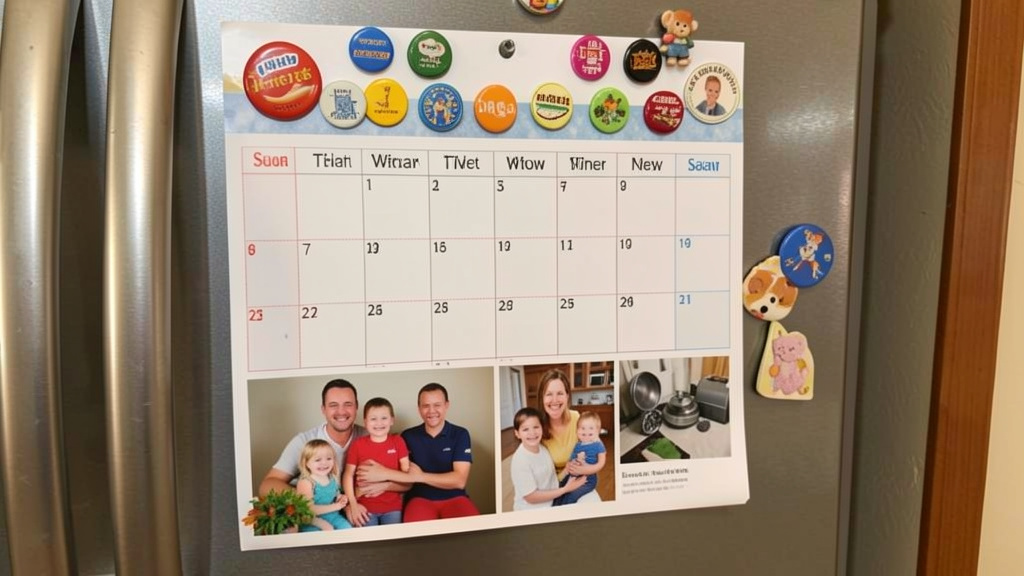
Cultivate connection, creativity, and calm during breaks with a flexible system designed around your family’s unique rhythm—no perfection required, just presence.
School holidays arrive with familiar anticipation and quiet anxiety. The initial relief of slower mornings often gives way to the echoing refrain of “I’m bored,” parental worries about screen overuse, and the mental load of sustaining engagement day after day. What if this cycle could shift? This guide offers a thoughtful, adaptable approach to holiday time—not as a rigid schedule to execute, but as an intentional ecosystem where curiosity flourishes, autonomy grows, and caregivers preserve their well-being. Grounded in established principles of child development and family dynamics, this framework helps transform fragmented moments into shared discovery, honoring both children’s need for balanced structure and adults’ need for sustainable rhythms.
Introduction: Redefining Holiday Success
The pressure to create “Pinterest-perfect” holiday memories is pervasive, yet deeply misleading. Social media highlights curated moments while omitting the messy, ordinary realities of family life. Simultaneously, children navigate unstructured time with varying capacities for self-direction, while caregivers balance rest, connection, and practical responsibilities. This tension isn’t personal failure—it reflects a systemic gap in intentional design.
True holiday fulfillment emerges not from flawless execution, but from moments of genuine connection: a shared laugh during a lopsided craft project, a child’s quiet pride in solving a problem independently, or the collective ease of a predictable rhythm. Research in developmental science consistently affirms that children thrive in environments offering balanced autonomy—enough structure to feel secure, enough flexibility to explore initiative. Equally vital is caregiver well-being; when adults feel resourced, interactions deepen. This framework integrates these insights without demanding heroic effort. It invites you to co-create breaks that feel yours—adaptable to your space, budget, energy, and values. There are no universal templates, only thoughtful starting points.
The Holiday Harmony Framework: Structure That Bends, Not Breaks
Imagine approaching holidays with gentle intention rather than reactive urgency. The Holiday Harmony Framework provides scaffolding—not a cage—through four interconnected, cyclical phases: Foundation, Matrix, Flow, and Adaptation. Designed to honor your family’s distinct needs (a toddler’s sensory curiosity differs vastly from a teen’s social priorities), this system separates planning from doing, reducing in-the-moment decision fatigue. It embraces variability: a rainy Tuesday requires different energy than the first sun-drenched morning of break. By embedding choice, reflection, and grace, the framework cultivates ownership in children and preserves space for adult presence. This is not about eliminating spontaneity; it’s about creating conditions where joy can emerge organically.
Step 1: The Foundation Phase – Clarify Before You Create
Begin before holidays start (ideally 5–7 days prior) with quiet reflection. This phase establishes clarity without overwhelm. Skipping it often leads to reactive choices misaligned with your reality. Focus on three gentle inquiries:
Family Pulse Check
Gather briefly for a low-pressure conversation. Use age-appropriate prompts:
– For caregivers: “What’s one realistic hope for this break? (Rest? Connection? Gentle learning?) What’s my energy pattern likely to be?”
– For children: “What feels exciting about this time off? What helps you feel calm when things feel frustrating?” Younger children might draw their “perfect day”; teens may prefer anonymous notes in a jar.
Why it matters: Identifying core needs—not every wish—guides intentional choices. If your child mentions “building things” repeatedly, that becomes a thread to weave through the break.
Resource Inventory
Honestly assess what you have:
– Time: Note pre-committed dates. Identify likely “high-energy” vs. “low-energy” days based on past patterns.
– Budget: Set a comfortable total. Prioritize categories: Supplies, Local Outings, Flex Fund. First, audit your home: Cardboard boxes, pantry staples (flour, rice, beans), fabric scraps, old magazines, and toy bins hold untapped potential.
– Space & Tools: What areas are accessible? (Balcony? Kitchen table? Local park?) What tools are safe and available? (Child-safe scissors, gardening gloves, art supplies.) Acknowledge constraints without judgment—no backyard? Focus on container gardening or park-based exploration.
Anchor Points, Not Hourly Schedules
Establish 3–4 gentle daily touchstones for predictability:
– Morning: Shared breakfast + 5-minute plan huddle
– Midday: Lunch followed by individual quiet time (reading, drawing, rest)
– Afternoon: One shared activity block (chosen collaboratively)
– Evening: Dinner conversation + wind-down ritual
Why anchors work: They provide security while leaving space between them for flexibility, free play, or spontaneity. For a two-week break, sketch a loose rhythm: “Week 1: Home-based exploration. Week 2: One local outing.” Avoid over-detailing.
Common Pitfalls to Navigate
– Over-scheduling: Filling every minute breeds resistance. Anchors create rhythm; white space creates breath.
– Ignoring energy patterns: Planning complex projects during typical low-energy windows (e.g., post-lunch) sets everyone up for frustration. Match activity intensity to natural rhythms.
– Solo planning: Including children—even minimally—in the pulse check fosters buy-in. A young child choosing between two pre-selected options (“playdough animals” or “cardboard castle”) experiences meaningful agency.
– Budget drift: Impulse purchases create stress. Resource mapping keeps spending purposeful.
Example Scenario: A family notes their 7-year-old’s interest in growing things, their teen’s desire for friend time, and the caregiver’s need for quiet mornings. With a small patio, $40 budget, and abundant cardboard, they set anchors: breakfast together, lunch + quiet time (1–2 PM), dinner. They schedule one botanical garden visit for Week 2. The rest of the break unfolds around these anchors, with the child’s “patio garden” becoming a recurring thread.
Step 2: The Activity Matrix – Bounded Choice, Reduced Friction
Decision fatigue intensifies when faced with endless open-ended questions (“What should we do?”). The Activity Matrix pre-sorts possibilities into a visual, filterable tool—your family’s personalized activity library. It transforms overwhelming choice into calm selection, ensuring balance across categories while respecting daily constraints.
Building Your Matrix
1. Define Categories (Rows): Choose 5–6 holistic themes:
– Create & Craft: Hands-on making
– Move & Explore: Physical activity, nature connection
– Learn & Discover: Curiosity-driven exploration
– Connect & Play: Social interaction, games
– Calm & Restore: Quiet, soothing activities
– Kitchen Crew: Food-focused projects (optional)
2. Populate with Tiered Ideas (Columns): For each category, list 6–8 specific activities. Include practical filters:
– Prep Time: (Under 5 min / 10–15 min / 20+ min)
– Mess Level: (Low / Medium / High)
– Adaptability Notes: Brief tips for different ages or constraints
3. Choose Your Format:
– Low-Tech: Poster board on the fridge with color-coded sticky notes
– Digital: Simple shared spreadsheet
– Tactile: Jars labeled by category; pull a random idea when stuck
Matrix Snippet for Practical Reference
| Category | Activity Idea | Prep | Mess | Adaptability Notes | Constraint-Friendly Tip |
|---|---|---|---|---|---|
| Create & Craft | Cardboard Cityscape | 10m | Med | Toddler: Decorate pre-cut shapes. Teen: Add details | Use flattened delivery boxes; tape only |
| Nature Rubbings | 5m | Low | All ages; use leaves, bark, coins | Crayons + scrap paper; extend into a booklet | |
| Move & Explore | Indoor Obstacle Course | 10m | Low | Use pillows, chairs, tape lines on floor | Perfect for rainy days or small apartments |
| Neighborhood Sound Hunt | 2m | Low | “Find 3 quiet sounds, 2 loud sounds” | No materials needed; builds observation | |
| Calm & Restore | Collaborative Story Chain | 5m | Low | Take turns adding one sentence | Record audio for fun; great pre-bed ritual |
| Puzzle Station | 2m | Low | Set on a tray for easy cleanup | Rotate puzzles to maintain novelty | |
| Kitchen Crew | No-Bake Energy Bites | 15m | Med | Let kids choose mix-ins (raisins, seeds) | Uses pantry staples; minimal cleanup |
| Build-Your-Own Snack Plate | 5m | Low | Arrange crackers, cheese, fruit slices | Empowers choice; reduces mealtime friction |
Why This Works
The Matrix answers micro-decisions before friction arises. Feeling low-energy? Filter for “Under 5 min Prep, Low Mess, Calm & Restore.” High energy after lunch? “Move & Explore, Medium Mess.” It validates caregiver capacity (“I only have 10 minutes and zero tolerance for glitter today”) while offering children authentic choice (“I pick the blue sticky note from Create & Craft!”). Crucially, it ensures Calm & Restore activities are visible and accessible—non-negotiable for preventing overstimulation.
Refining Over Time
– Start modestly (25–30 ideas). Add successful new activities weekly; retire those that didn’t resonate.
– Invite children to suggest additions—this sustains engagement.
– Revisit after each break to refine for next time.
Example Scenario: During post-lunch quiet time, a child feels restless. Instead of whining, they consult the Matrix, select “Indoor Obstacle Course” (Low Mess, 10m Prep), and the caregiver spends two minutes setting up pillow “rivers” to cross. The child engages independently for 20 minutes while the caregiver finishes a task. No negotiation, minimal effort, preserved calm.
Step 3: The Flow State – Rhythms Over Rigid Routines
A schedule dictates what happens and when. A rhythm honors how your family moves through time with grace. Flow integrates your Foundation anchors and Activity Matrix into a living daily experience that accommodates shifting energy, moods, and unexpected moments (a sudden rain shower, a butterfly landing nearby). The goal is predictable cadence that feels supportive, not suffocating—creating space for spontaneity and deep connection.
Mapping Natural Energy Patterns
Observe or recall your family’s typical daily flow:
– Morning (Post-Breakfast): Often peak focus. Ideal for “Learn & Discover” or focused “Create & Craft.”
– Late Morning: Gentle movement (“Move & Explore”) can re-energize before lunch.
– Post-Lunch (1–3 PM): Natural circadian dip. Protected quiet time is highly beneficial here—individual calm activity (reading, drawing, listening to music). This is equally restorative for caregivers. Frame positively: “This recharges our batteries for afternoon fun.”
– Mid-Afternoon (3–5 PM): Second wind. Perfect for collaborative “Connect & Play” or “Kitchen Crew.”
– Evening: Wind-down rituals (storytelling, gentle music) signal transition to rest.
Implementing “Choice Within Container”
At flexible blocks (e.g., after morning anchor), offer bounded choices from the Matrix:
– Instead of: “What do you want to do?”
– Try: “Quiet time is over! Would you like to choose from Move & Explore or Create & Craft? Let’s look together.”
For mixed ages: “We need an activity everyone can join. Should we pick from Connect & Play or Kitchen Crew?” Involve older children in adapting the activity for younger siblings.
Gentle Transition Cues
Abrupt stops cause resistance. Use consistent, calm signals:
– Timer with warning: “Five more minutes of building, then we tidy for lunch.”
– Transition ritual: A specific short song signals cleanup.
– Visual timer: Especially helpful for younger or neurodivergent children.
– Connect to next anchor: “After we finish this drawing, we get to choose our afternoon adventure!”
Honoring the Pause Button
Explicitly normalize pausing: “If anyone feels frustrated during our project, it’s okay to say ‘Pause!’ We’ll take three deep breaths and decide: continue, adapt, or switch.” This validates emotions and prevents small frustrations from escalating.
Common Considerations
– Respect energy dips: Forcing complex activities during low-energy windows often backfires. Scale down or shift categories.
– Protect quiet time: Sacrificing this block for “more fun” frequently leads to afternoon overwhelm. Consistency here supports everyone’s regulation.
– Allow buffer time: 10–15 minutes between major blocks reduces transition stress and honors natural winding-down.
– Adjust gently: One child may need quiet time earlier; another may need morning movement. Observe and adapt anchors where feasible.
Example Scenario: Post-lunch quiet time concludes. A caregiver rings a small bell: “Quiet time is over! For our afternoon block, should we explore Move & Explore or Kitchen Crew?” A child points to “Indoor Obstacle Course.” The caregiver checks the Matrix note (“pillows, tape lines”), spends five minutes setting up, and the family enjoys 25 minutes of laughter and movement. The rhythm—predictable anchor, bounded choice, matched energy—created seamless engagement without constant direction.
The Guiding Insight: The purpose of holiday planning is not a perfectly executed itinerary, but cultivating shared presence—where structure quietly supports connection, leaving space for genuine moments of discovery and joy to emerge.
Step 4: The Adaptation Loop – Graceful Navigation of the Unexpected
No plan survives unchanged—and that’s by design. Rain cancels an outing. A project ends in tears. A child wakes grumpy. The Adaptation Loop is your built-in resilience tool. It transforms setbacks from “failures” into neutral data points, fostering a family culture of flexibility, problem-solving, and self-compassion. This three-step process—Pause, Pivot, Process—models graceful recovery, teaching children that adaptability is a strength.
PAUSE: The 60-Second Reset
When friction arises, consciously stop. Take one deep breath. Do not problem-solve yet. Acknowledge feelings simply:
– For children: “I see this glitter spill feels surprising.” or “It’s frustrating when the tower falls.”
– For yourself: “My shoulders feel tight. I need one breath.”
For young children, co-regulate: “Let’s take three slow dragon breaths together (inhale deeply, exhale slowly).” This pause interrupts the stress cycle. Reacting from frustration escalates tension; pausing creates space for clarity.
PIVOT: The Gentle Shift
After pausing, choose one adaptive path:
– Scale Down: “Let’s decorate just one cookie instead of a dozen.”
– Switch Category: “This craft feels tricky right now. Should we pivot to Move & Explore for ten minutes?” Consult the Matrix.
– Modify Roles: “You choose the colors; I’ll handle the cutting.”
– Reframe the “Mishap”: “Look at those interesting glue textures! Should we call this ‘abstract art’?” Normalize imperfection: “Mistakes are part of creating.”
– Radical Acceptance: Torrential rain ruins park plans? “The weather invited an indoor adventure! Let’s pull three ideas from the Calm & Restore jar and vote.” Focus energy on the solution, not the loss.
PROCESS: Gentle Reflection (Later)
After emotions settle (not in the moment), briefly revisit:
– With young children: “That glitter was tricky! Next time, should we try it outside or use less?” Keep solution-focused.
– With older children: “What part felt hardest? How could we set it up differently next time?” Involve them in refining the system.
– For caregivers (private note): Jot one insight: “Avoid complex crafts after 4 PM,” or “Sam needs five minutes of solo time before group activities.” Use this to gently tweak future anchors. This is compassionate iteration, not self-critique.
Key Considerations
– Never skip the Pause: Jumping straight to “fixing” invalidates feelings. The Pause is the most powerful step.
– Separate behavior from child: “The project is challenging” vs. “You are being difficult.”
– Honor your own needs: If you feel overwhelmed, use the Loop on yourself: “Pause: I need water. Pivot: I’m setting out quiet activity kits for 20 minutes while I sit quietly.”
– Avoid over-processing: Save deeper discussions for calm moments. In the heat of emotion, focus on safety and regulation.
Example Scenario: A planned backyard bug hunt is halted by sudden rain. A child begins to cry. The caregiver takes a breath (Pause): “Oh no—the rain had other plans! I feel disappointed too. But look: puddles are forming. Should we Pivot? Option A: Rain boots and puddle jumps! Option B: Pull a Create & Craft idea from the jar.” The child chooses puddles. Later, the caregiver adds “Rainy Day Adaptations” as a note in the Matrix. The “interruption” became a joyful, adaptable memory. The child learned flexibility; the caregiver practiced responsive presence.
Deepening Engagement: Activity Principles Across Contexts
The Framework provides structure; these principles breathe life into it. Each suggestion emphasizes process over product, inclusivity, and connection to your immediate environment. Integrate ideas directly into your Matrix, adapting freely to your constraints.
Creative Expression: Process Over Perfection
Creativity nurtures problem-solving, sensory exploration, and emotional expression—not artistic output. Focus on open-ended materials inviting multiple interpretations.
Cardboard Studio
Why it resonates: Building develops spatial reasoning and imagination. The act of creating holds more value than the final structure.
Getting started: Collect boxes of all sizes. Offer masking tape (easier to tear), washable markers, safety scissors (pre-cut shapes for young children).
Adaptations:
– Small space? Build vertically on a wall with removable tape.
– Mixed ages: Toddler decorates pre-cut shapes; older child designs the layout; teen adds functional elements (pockets, doors).
– Low budget: Use only materials on hand. Draw details instead of adding complex elements.
Friction fix: Contain mess with a large sheet or do outdoors. Set a timer: “45 minutes to build, 15 minutes to tidy tools together.”
Sensory Exploration
Why it resonates: Engaging multiple senses supports regulation and cognitive development, especially valuable for children who find traditional crafts challenging.
Simple starters:
– Magic Mud: 2 parts cornstarch + 1 part water + food coloring. Explore its unique texture (solid under pressure, liquid when relaxed). Do outdoors or in a bin.
– Scented Salt Paint: Flour, salt, water, food coloring, pinch of spice (cinnamon) or extract (vanilla). Paint on sturdy paper; salt crystals create texture as it dries.
Adaptations:
– Sensory sensitivity: Offer tools (spoons, cups) for exploration; let children observe first.
– No cornstarch? Use cooked oatmeal for a similar tactile experience.
– Focus on ritual: “We’re making calming paint for our quiet corner.”
Outdoor Connection: Finding Wonder Nearby
“Outdoor time” requires no wilderness access. Shift perspective to see the ordinary as extraordinary—cultivating observation, stewardship, and joyful movement.
Micro-Exploration
Why it resonates: Focusing on a tiny area (a square foot of grass, a windowsill planter) deepens observation far more than a broad walk.
Getting started: Magnifying glass (or phone camera zoom), small notebook.
Adaptations:
– No yard? Study a crack in the sidewalk, a potted plant, or visit a park for 20 minutes.
– Mobility considerations: Bring nature to a table: collect leaves, stones, or feathers during a short outing.
– All ages: Toddler identifies colors/textures; school-age sketches findings; teen researches species online later.
Extension: Create a “Weather Watchers” journal—note cloud shapes, temperature guesses, wind direction. Builds pattern recognition.
Purposeful Movement
Why it resonates: Framing movement as playful challenge invites engagement beyond “go play outside.”
Simple starters:
– Obstacle Course Creator: Children design the course using household items (“Crawl under the table,” “Balance on the line of tape”).
– Shadow Play: On a sunny day, trace shadows with chalk at different times; discuss why they change.
Adaptations:
– Indoors: Create a “pillow river” to cross, cushion mountain to climb.
– Vary challenges: “Walk the line” instead of “Hop the line”; focus on upper-body tasks if needed. Emphasize personal enjoyment over competition.
Accessible Gardening
Why it resonates: Nurturing life teaches patience, responsibility, and connection to natural cycles—achievable at any scale.
Simple starters:
– Windowsill Herbs: Plant basil or mint in a recycled yogurt cup (poke drainage holes). Label with popsicle sticks.
– Seed Bombs: Mix clay soil, compost, water, and native wildflower seeds. Roll into balls; dry 24 hours. Place in a permitted bare spot.
Adaptations:
– No outdoor space? Herbs thrive on sunny windowsills.
– Motor challenges: Use lightweight pots, long-handled tools, or focus on sensory aspects (“Which herb smells strongest?”).
– Ethical note: For seed bombs, use only native species and plant on land where permitted.
Kitchen as Classroom: Edible Learning
The kitchen offers tangible lessons in math, science, culture, and life skills. Frame cooking as collaborative exploration, prioritizing safety and inclusion.
Math & Science in Action
Why it resonates: Concepts become concrete through doing.
Simple starters:
– Fraction Pancakes: Measure ingredients explicitly (“How many ½ cups make 1 cup?”). Cut cooked pancakes into fractions.
– Butter in a Jar: Fill jar ⅓ full with heavy cream; shake until solid butter forms. Rinse, add salt.
Adaptations:
– Fine motor support: Use squeeze bottles for liquids; pre-measure dry ingredients into small bowls.
– Allergy-aware: Always verify ingredients. For sensory-sensitive eaters, keep components separate (“deconstructed”).
– Focus on process: “Watch how the liquid turns solid!” Celebrate the transformation, not just the outcome.
Cultural Connection
Why it resonates: Food opens doors to empathy, global awareness, and family heritage.
Simple starters:
– One-Dish Exploration: Choose one simple dish (e.g., Japanese onigiri—rice balls). Research together: flag, fun fact. Cook collaboratively.
– Family Recipe Revival: Interview a relative (in person or via call) about a cherished recipe. Cook it together; document the story.
Adaptations:
– Keep it simple: Focus on one iconic dish, not a full feast. Use accessible substitutes.
– Allergy-first: Verify ingredients; offer alternatives. Frame as “exploring,” not “you must eat this.”
– Non-cooking role: A child can illustrate the recipe card or record the relative’s story.
Brain Boosters: Curiosity-Driven Discovery
Learning thrives when woven into play, following a child’s interests without academic pressure.
Storytelling & Literacy
Why it resonates: Oral storytelling builds vocabulary, narrative skills, and connection.
Simple starters:
– Story Stones: Paint simple images on smooth stones (sun, key, boat). Draw 3–5; create a story together.
– Library as Hub: Visit your local library. Attend storytime, learn to use the catalog, or set a “book hunt” (“Find a book with a red cover”).
Adaptations:
– No stones? Use index cards or print clipart.
– Non-verbal children: Use stones to sequence events visually or choose images to indicate story elements.
– Free resource: Libraries often lend museum passes, seed libraries, or tool kits—check their website.
Everyday Math
Why it resonates: Finding math in daily life reduces anxiety and builds relevance.
Simple starters:
– Shape Hunt: “Find one circle, one square, one triangle in our home.” Sketch or photograph.
– Grocery Math: Using store flyers: “Find the cheapest apple. How much cheaper is it?” or “We need 3 items under $2.”
Adaptations:
– Indoors: Shape hunt works anywhere.
– Tactile support: Cut shapes from sandpaper for matching.
– Budget extension: Give older children a small budget ($3–5) to plan a snack; discuss choices.
Problem Solving
Why it resonates: Open-ended challenges build resilience and creative thinking.
Simple starters:
– Egg Drop Challenge (simplified): “Using straws, tape, and paper, design a container to protect an egg dropped from chair height.” Use hard-boiled eggs initially.
– Mystery Bag: Place an object (whisk, pinecone) in a bag. Child feels it: “Describe what you feel. What might it be used for?”
Adaptations:
– Collaborative: Pair children of different ages for design.
– Focus on process: “Why did it break? How can we improve?” Celebrate iteration.
Tech-Positive Projects: Screens as Tools
Technology gains value through intentional use—shifting from passive consumption to active creation and connection. Always set clear time boundaries before starting (“We’ll create for 30 minutes, then take a screen break”).
Digital Storytelling
Why it resonates: Combines narrative, art, and technology for powerful self-expression.
Simple starters:
– Stop-Motion: Free app (Stop Motion Studio). Move LEGO figures or clay sculptures slightly between photos. Compile into a short film.
– Family Podcast: Record short interviews: “What’s your happiest memory this week?” Edit clips together.
Adaptations:
– Start tiny: Aim for a 10-second clip. Stabilize phone on books.
– Motor challenges: Focus on directing/storyboarding; use voice-to-text for captions.
– Connection: Share the final clip with grandparents.
Coding as Play
Why it resonates: Coding teaches sequencing and logical thinking through tangible results.
Simple starters:
– Unplugged Coding: Tape a grid on the floor. Use arrow cards (↑ → ↓ ←) to guide a partner to “treasure.”
– Scratch Jr. (ages 5–7) / Scratch (ages 8+): Free MIT platforms to create stories or games.
Adaptations:
– No screen: Unplugged coding uses household items.
– Partner work: Ensures participation regardless of ability. Focus on the logic, not speed.
Bridging Distance
Why it resonates: For separated families, tech fosters meaningful connection beyond a quick call.
Simple starters:
– Collaborative Scrapbook: Shared Google Slides doc. Each adds a photo or note weekly.
– Virtual Show & Tell: Schedule a short call; child shares one thing they made or learned.
Adaptations:
– Tech support: Parent assists less-confident relatives with uploading.
– Keep it simple: One slide or one item per week reduces pressure.
Navigating Real-World Considerations: Safety, Inclusivity, Energy
Even thoughtful plans meet friction. Addressing these proactively transforms challenges into opportunities for deeper connection and resilience.
Safety: Informed Awareness, Not Fear
Safety means managing genuine risks while preserving age-appropriate exploration. Focus on prevention and calm preparedness.
Practical Protocols
– Crafting/Kitchen: Establish clear zones (“Stove area is adult-only”). Assign age-aligned tasks: Toddlers wash produce; preschoolers tear lettuce; school-age measure dry ingredients. Keep a visible first-aid kit. Do a 2-minute safety sweep before starting: secure cords, move fragile items.
– Outdoor Time: Practice the “buddy system.” Teach children to identify safe adults (park staff, store employee with name tag). Carry a small kit: water, whistle (three blasts = emergency), band-aids. Know signs of heat exhaustion or dehydration; schedule water breaks.
– Tool Introduction: Start small. For child-safe scissors: “We walk like penguins—elbows tucked, points down.” Praise safe habits: “I noticed you closed the scissors before putting them down. Great care!”
Cultivating Safety Culture
Frame rules positively: “We walk carefully with scissors to keep everyone safe” vs. “Don’t run with scissors.” Involve children: “You’re the Safety Captain today—remind us to wash hands.” For neurodivergent children, use visual cues: red tape near hot surfaces, picture cards for steps (“Wash Hands” icon). Safety becomes shared responsibility, not fear-based restriction.
Inclusivity: Designing for Diverse Engagement
Inclusivity means intentionally creating pathways where every child feels capable and valued—regardless of ability, neurotype, temperament, or background. It’s not about lowering standards, but expanding access.
Universal Design in Practice
– Multiple Entry Points: For a scavenger hunt, offer a picture list (pre-readers), written list (readers), and verbal clues (auditory learners).
– Choice in Expression: After a story: “You can tell me your favorite part, draw it, act it out, or build it with blocks.”
– Strength-Based Roles: In group projects: “You have a great eye for color—be our Color Chooser!” or “You’re steady-handed—be our Glue Specialist.”
Scenario-Based Adaptations
– Mixed Ages (Toddler + School-Age): Layer the activity. Building a fort: Toddler brings one pillow at a time; school-age designs the layout. Or parallel play with connection points: Toddlers play with playdough while school-age creates sculptures nearby; older child occasionally makes a small piece for the younger (“Here’s a cookie for your tea party!”).
– Sensory Sensitivities: Offer alternatives before distress: “For slime, you can be the Mix Master (stir with a spoon) or Color Chooser.” Provide noise-canceling headphones for loud activities. Create a designated “Calm Corner” with soft lighting and favorite books—a shame-free space to self-regulate.
– Physical/Mobility Considerations: Adapt the environment: lower craft tables, use adaptive tools (spring-loaded scissors, non-slip mats). Focus on contribution: “Your job is to give instructions while I move the pieces,” or “You choose the next color.”
– Neurodivergence (ADHD, Autism, etc.): Use visual schedules (“First quiet time, Then choose activity”). Break tasks into micro-steps (“Step 1: Put markers in cup. Step 2: Crumple paper.”). Offer movement breaks between seated activities. Validate all communication styles; wait patiently for responses.
Language Matters
Use person-first or identity-first language per individual preference. Avoid labels like “high/low functioning.” Focus on specific, respectful observations: “Sam benefits from extra time to process instructions.” Celebrate neurodiversity: “Your attention to detail is a superpower for our scavenger hunt!”
Caregiver Energy: Your Well-Being is Foundational
You cannot sustain connection from depletion. Integrating micro-practices for your regulation is strategic, not selfish—it models emotional health for children.
The 5-Minute Reset (Use Anytime)
1. Pause & Name: “I feel overwhelmed. I need five minutes.” (State calmly; step away if possible.)
2. Regulate: Breathe deeply (4 seconds in, 6 seconds out) x 3. Or use 5-4-3-2-1 grounding: Name 5 things you see, 4 you feel, 3 you hear, 2 you smell, 1 you taste.
3. Hydrate: Drink a full glass of water.
4. Reframe: “This is a tough moment, not a reflection of my parenting. My child is having a hard time, not giving me a hard time.”
5. Return: Rejoin with calm presence. “I’m back. What’s our next small step?”
Preventative Anchors
– Morning: 10 minutes with tea before the household wakes (adjust alarm slightly).
– Quiet Time: Use children’s quiet time for your quiet time—no chores. Stare out the window, breathe, read one page.
– Evening: 15 minutes after bedtime with no screens. Journal one small win: “We laughed during cleanup.”
– Permission: Give yourself explicit grace. A slightly messy home signifies lived-in joy. Store-bought cookies are still a treat. “Good enough” is truly enough.
Resourceful Joy: Meaningful Moments Without Expense
Connection thrives on presence, not price tags. Resource constraints often spark greater creativity and intentionality.
See Treasure in the Everyday
Before purchasing anything, conduct a mindful home audit:
– Craft Closet: Sort into Usable, Repurpose (cardboard tubes, fabric scraps), Donate. Store repurposables in clear “Creation Station” bins.
– Pantry Power: Flour + salt + water = playdough. Rice or dried beans = sensory bins (supervise toddlers closely). Spices = natural dyes.
– Closet Clean-Out: Old scarves, hats, shirts become costume pieces. Host a “Fashion Show” with cardboard tube wands. Bonus: Sort outgrown clothes together; discuss donating. Teaches empathy and reduces clutter.
Community as Resource
Your neighborhood holds free, connection-building opportunities:
– Library Deep Dive: Beyond books: Free museum/zoo passes (often lendable!), seed libraries, tool libraries, STEAM workshops, storytimes. Bookmark your library’s events calendar today.
– Park Passport: Map parks within 15 minutes. Visit one new spot weekly. Create a simple passport: Draw a box per park; add a sticker after visiting. Note unique features (“Park A: Best hill for rolling”).
– Community Calendar: Check town websites or local groups for free events: outdoor concerts, farmers markets (free samples!), cultural festivals. Volunteer at a local event—often grants access and builds belonging.
Share and Connect
Collaboration multiplies resources and strengthens community:
– Toy/Book Swap: Organize with 2–3 families. Each brings gently used items. Children “shop” with tokens (3 tokens = 3 items). Freshens playthings; teaches letting go.
– Skill Share Circle: Parent A mends clothes; Parent B knows gardening; Parent C plays guitar. Host informal sessions: “This Tuesday, Sarah shows us how to fix a torn stuffed animal.” Builds interdependence.
– Bulk Buy & Split: Coordinate with another family on large bags of rice (for sensory bins) or craft paper. Split cost and quantity.
Reframe “Value”
Shift focus from objects to experiences. After an activity, gently reflect: “Did we laugh together? Did someone try something new?”
– Memory Jar: Place a jar and slips of paper centrally. Anyone writes happy moments (“We saw a rainbow,” “Leo taught Maya to skip”) and drops them in. Read aloud on the last day. Cost: $0. Value: Tangible joy.
– Experience Vouchers: Create simple cards: “Good for one sunrise picnic,” “Redeem for a library trip of your choice.” Prioritizes time—the currency children cherish.
– Gratitude Walk: During a stroll, take turns sharing one thing you appreciate right now (“This cool breeze,” “Finding this smooth stone”). Cultivates mindfulness and abundance.
The Gentle Reset: Compassion for Overwhelming Days
Despite preparation, some days feel heavy—rain cancels plans, meals are rejected, tensions rise. This is human, not failure. The Gentle Reset offers a compassionate path back to calm, without guilt.
Step 1: Acknowledge & Release (Minutes 0–5)
Stop. Breathe deeply three times. Say quietly: “This feels hard right now. It’s okay that it’s hard. I release the expectation of a ‘perfect’ holiday.” Validate your feelings without judgment. Replace guilt (“I should be enjoying this”) with compassion (“I’m doing my best today”).
Step 2: Immediate Triage (Minutes 5–15)
Address only urgent physical needs. Not the mess, not the planned activity. Ask: “What does my body need?” Hydrate (water for everyone). Nourish (simple snack: apple slices, crackers). Regulate (5 minutes of quiet: dim lights, soft music, everyone sits with a book or looks out the window). If children are dysregulated, co-regulate first: “Let’s all take three slow breaths together.” Your calm presence is stabilizing.
Step 3: Radical Simplification (Minutes 15–30)
Cancel all mental to-do’s for the rest of the day. Announce gently: “Today’s plan is changing. Our only jobs now: be kind, be safe, rest.” Choose one ultra-simple activity from “Calm & Restore”:
– Option A: Audiobook + coloring at the table
– Option B: Slow dance to three favorite songs
– Option C: “Rose & Thorn” sharing at dinner (one good thing, one hard thing)
This eliminates decision fatigue and provides security through simplicity.
Step 4: Caregiver Micro-Recharge (During Activity)
While children are settled, take 10 minutes just for you. Step outside. Sip tea slowly. Listen to one song with eyes closed. Text a supportive friend: “Having a tough day—sending love.” Do not use this time for chores or scrolling. This non-negotiable pause resets your capacity.
Step 5: Gentle Tomorrow (Evening)
Before bed, spend 5 minutes preparing for a fresh start:
– Physically: Wipe the kitchen table; lay out tomorrow’s quiet time books.
– Mentally: Write one tiny win (“We drank water together”). Acknowledge one thing to release (“I won’t worry about the craft table”).
– Plan: Choose one anchor for tomorrow (“Breakfast together, then quiet time”). That’s all.
Ending with acknowledgment and release prevents rumination. A reset day is not a failed day—it’s courageous care. Tomorrow is a new opportunity. Extend to yourself the grace you’d offer a friend.
Your Questions, Answered
Q: My children are 3 and 10. How do I find activities that genuinely engage both without the older one being bored or the younger one feeling left out?
A: Focus on layered roles within one activity. For a nature walk: The 10-year-old is the “Map Captain” (tracks route, identifies landmarks); the 3-year-old is the “Treasure Finder” (collects a smooth stone or yellow leaf). For building: Older child designs the structure; younger child hands materials or decorates pre-cut pieces. Prioritize connection over identical participation—sometimes parallel play nearby (older child reading while younger does playdough) with occasional interaction (“Show your brother your creation!”) is perfectly valid. Validate each contribution: “You found the perfect leaf!” “Your map helped us find the big tree!”
Q: We live in an apartment with no outdoor space. How can we incorporate meaningful movement and exploration?
A: Redefine “outdoor” as “beyond your front door.” Your hallway becomes a balance beam (tape a line on the floor). Stairwells offer counting practice (“How many steps to the third floor?”). Visit the nearest park, library, or community garden—even a 20-minute trip counts. Indoors: Create an obstacle course with pillows and chairs, dance to music, or do “animal walks” (bear crawl, crab walk) down the hall. Libraries often have free passes to museums or zoos—check their website. Connection happens in micro-moments, not grand destinations.
Q: How do I handle screen time without constant power struggles?
A: Shift from restriction to intentional integration. Co-create clear, visual agreements before holidays start: “Screens after quiet time,” “30 minutes of creation before screens,” or “Screens are for creating today (stop-motion video), not just watching.” Offer compelling alternatives before boredom hits (Matrix visible on fridge). When screens are used, engage: “Show me what you’re creating!” or “Let’s watch this documentary together and discuss.” Frame it as balance: “Screens are one tool among many for fun and learning.”
Q: My teenager thinks most holiday activities are “babyish.” How do I involve them respectfully?
A: Honor their developmental need for autonomy and relevance. Invite them to co-design the Framework: “What’s one thing you’d enjoy this break? Time with friends? Learning a skill?” Offer leadership roles: “You’re in charge of planning our one outing,” or “Teach your sibling how to code a simple game.” Connect activities to their interests: A music lover curates family playlists; a sports fan researches local history of a team. Respect “alone time” as valid. Small gestures matter: “I made your favorite snack,” or “No pressure to join—just know we’d love your company for dinner.”
Q: What are truly quick activities for when I only have 5–10 minutes?
A: Keep a “Quick Calm” section in your Matrix:
– 5 minutes: Collaborative story chain (each adds one sentence), “I Spy” with household objects, stretch like animals (cat/cow pose), listen to one favorite song and dance.
– 10 minutes: Decorate pre-baked cookies, build a mini-cardboard tower, do a single page of a shared puzzle, write one gratitude note together.
The goal isn’t complexity—it’s connection. A shared laugh during a 7-minute dance break resets the whole afternoon.
Q: How do I adapt activities for a child with sensory processing differences or physical limitations?
A: Start with observation and collaboration. Ask (if possible): “What helps you feel comfortable?” Offer choices before distress: “For playdough, would you prefer using tools or watching me?” Provide alternatives: Noise-canceling headphones for loud activities; fidget toys during quiet time; adaptive tools (spring-loaded scissors, weighted utensils). Focus on contribution over participation: “You choose the colors,” or “You direct where I place this piece.” Consult occupational therapists for personalized strategies. Most importantly: Follow the child’s lead. If they step back, honor it without pressure. Connection happens in their comfort zone.
Q: What if bad weather lasts several days? How do we avoid cabin fever?
A: Proactively build a “Rainy Day” sub-section in your Matrix before holidays start. Tier by energy level:
– High Energy: Indoor obstacle course, dance party, balloon volleyball
– Medium Energy: Fort building, board games, baking
– Low Energy: Audiobook + coloring, puzzle station, calm jar creation
Rotate activities to maintain novelty. Open windows for fresh air if possible. Change scenery: Eat lunch on the floor, read books under a table “tent.” Remember: Short, frequent movement breaks (5 minutes every hour) help regulate energy. And extend grace—some days, watching a movie together is the right choice.
Q: How can I make holidays feel educational without it feeling like school?
A: Follow curiosity, not curriculum. If a child asks, “Why is the sky blue?” explore together (simple video, book from library). Bake to practice fractions; garden to discuss plant life cycles; write letters to relatives for handwriting practice. Visit the library and let them choose books freely. The goal isn’t academic output—it’s nurturing a love of learning. When children lead the inquiry (“Can we find out how bees make honey?”), engagement is intrinsic. Trust that play is learning: Building forts teaches physics; negotiating game rules builds social skills.
Q: I feel guilty taking time for myself during holidays. How do I overcome this?
A: Reframe self-care as family care. You are the anchor of your household’s emotional climate. A regulated caregiver creates safety for children. Start small: 10 minutes with tea while children have quiet time. Communicate simply: “Mom needs five quiet minutes to feel calm—then I’ll be back for our game.” Model self-compassion aloud: “I felt frustrated, so I took a breath. That helps me be a better listener.” Children learn emotional health by watching you prioritize it. Your well-being isn’t selfish—it’s foundational.
Q: How do I involve my partner or other caregivers who have different parenting styles?
A: Focus on shared values, not identical methods. Have a brief, calm conversation: “What’s one hope we both have for this break? (Connection? Rest?)” Agree on 1–2 non-negotiable anchors (e.g., “Quiet time after lunch,” “No screens during dinner”). Beyond that, allow flexibility: “You handle mornings your way; I’ll handle afternoons mine.” Debrief gently: “What worked today? What might we tweak tomorrow?” Appreciate differences—your partner’s spontaneous dance party might be exactly what the family needed. Unity lies in shared intention, not identical execution.
Q: What if my child refuses to participate in any planned activity?
A: First, pause and connect. Kneel to their level: “You seem frustrated. Want to talk about it?” Sometimes refusal signals overwhelm, hunger, or a need for control. Offer limited choice: “Would you rather do this now or after a snack?” or “Choose Activity A or B.” If they still refuse, honor it without power struggles: “Okay, you don’t have to join. The quiet time basket is here if you change your mind.” Protect their autonomy while maintaining anchors (“Lunch is at 12:30”). Often, after feeling heard, resistance softens. If refusal is frequent, gently explore underlying needs with a pediatrician or counselor.
Q: How do I adapt this framework for winter holidays vs. summer break?
A: Let season and context guide your Matrix. Winter: Embrace coziness—hot cocoa stations, indoor fort building, holiday light walks, snow science (if applicable: “Why does salt melt ice?”). Summer: Leverage daylight—early morning park visits to avoid heat, water play, backyard stargazing. Cultural context matters: Align activities with your family’s traditions (e.g., preparing for Diwali, Lunar New Year, or local festivals). The Framework’s phases remain constant; the content shifts. During shorter holiday breaks (e.g., one week), simplify: Focus on 2–3 anchor points and a smaller Matrix. The core principle endures: Intentional design reduces stress, regardless of season or duration.
Conclusion: Carrying Harmony Forward
Holidays are not a test of parenting prowess. They are ordinary stretches of time—sometimes joyful, sometimes challenging—where connection deepens through small, consistent choices. The Holiday Harmony Framework offers gentle scaffolding to reduce friction and amplify presence, but its true value lies not in perfect execution. It’s in the child who learns to say, “I feel frustrated—can we pause?” It’s in the caregiver who grants themselves grace on a hard day. It’s in the shared laughter over a lopsided clay bowl, the quiet pride of a seedling sprouting in a yogurt cup, the comfort of a predictable rhythm.
Recap the Essentials
1. Start with clarity: A brief Foundation Phase prevents overwhelm.
2. Offer bounded choice: The Activity Matrix reduces decision fatigue for everyone.
3. Honor rhythms: Flow aligns activities with natural energy, protecting quiet time as a cornerstone.
4. Embrace adaptation: The Loop turns setbacks into lessons in resilience—for children and adults alike.
Your Gentle Next Step
Choose one small action within the next 24 hours:
– Sketch three daily anchor points for your upcoming break.
– Audit your home for three “Creation Station” items to repurpose.
– Write one self-compassion note: “I am enough. Good enough is perfect.”
This isn’t about adding to your to-do list—it’s about planting one seed of intention.
The Bigger Picture
The habits nurtured during holidays—collaborative planning, emotional regulation, finding joy in simplicity—ripple far beyond break time. They strengthen family culture year-round. You are not just filling days; you are modeling presence, adaptability, and care. In a world that often values busyness over being, choosing connection is a quiet revolution. Trust your intuition. Celebrate tiny wins. Release perfection. The most cherished memories are rarely the most elaborate—they are the moments where someone felt truly seen.
Explore More Thoughtful Living:
Nurturing Family Rhythms Year-Round | Simple Sensory Play for All Ages | Building Emotional Resilience in Children | Community Connection on a Budget | Mindful Moments for Caregivers