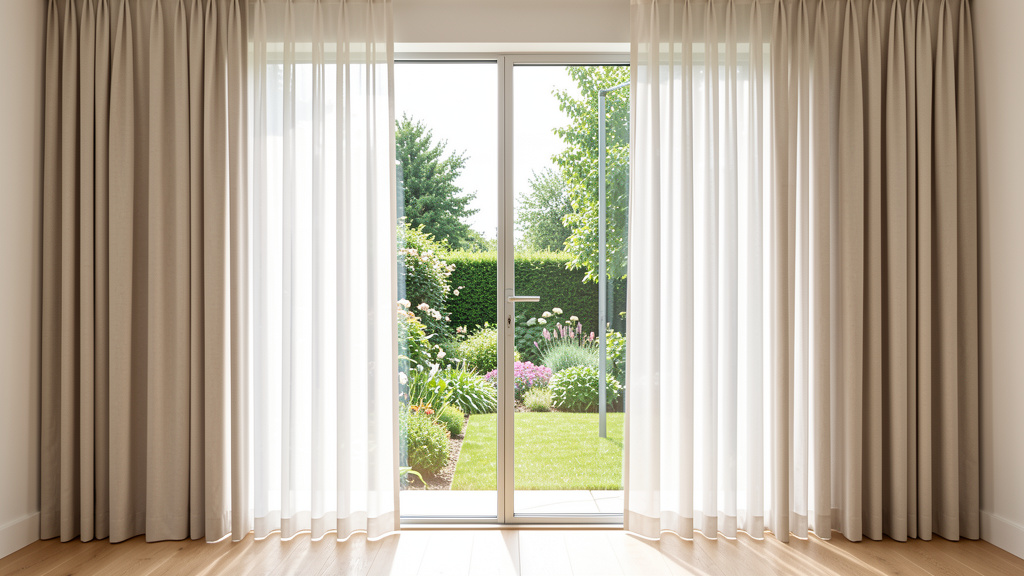
Stop choosing between privacy and panache. Discover a proven framework to select window coverings that solve real problems while elevating your home’s aesthetic—room by room, window by window.
Selecting the right window treatment is far more than picking a pretty fabric swatch or matching a Pinterest mood board. It’s a strategic decision that impacts your home’s light quality, energy efficiency, privacy rhythm, daily comfort, and visual cohesion. Yet most homeowners face a frustrating paradox: style-focused guides ignore practical realities like glare on screens or morning sun disrupting sleep, while technical buying guides strip away the emotional connection to your living space. This comprehensive resource bridges that gap. Drawing from architectural principles, material science, human behavior patterns, and design psychology, we present a unified methodology to select window coverings that work with your life—not against it. Whether you’re renovating a historic Craftsman bungalow, optimizing a sun-drenched modern condo, or simply tired of makeshift solutions, this guide transforms window treatment selection from a confusing chore into a confident, intentional process.
Introduction: Why Your Windows Deserve a Thoughtful Strategy
Windows are the eyes of your home—dynamic interfaces between your interior sanctuary and the outside world. They frame views, invite natural light, connect you to seasons, and shape architectural character. Yet too often, window treatments become an afterthought: blinds installed hastily before guests arrive, curtains chosen solely for color without considering light filtration, or expensive custom drapes that clash with daily living needs. The consequences ripple through your experience: relentless glare making television viewing impossible, compromised privacy forcing you to live with lights off at dusk, inconsistent room temperatures affecting comfort, or beautiful fabrics that collect dust and resist cleaning.
This isn’t merely about aesthetics or utility alone. It’s about human-centered design. Consider the family in Portland with floor-to-ceiling west-facing windows. Beautiful at sunset, yes—but by 4 p.m., the living room becomes uncomfortably warm, the television screen reflects blinding light, and children’s artwork fades on the walls. Or the remote worker in Chicago whose north-facing home office suffers from flat, shadowy light by 3 p.m., causing eye strain during late-afternoon video calls. These scenarios reflect recurring patterns observed across diverse residential environments. The solution lies not in a single “best” product, but in a deliberate framework that honors both measurable needs and emotional resonance.
Architectural history offers profound insight here. Frank Lloyd Wright’s Prairie School homes integrated art glass windows not just as decoration, but as light modulators—filtering harsh sun while preserving views and privacy. Similarly, traditional Japanese shoji screens exemplify harmony: translucent paper diffuses light softly, sliding panels adapt to changing needs, and natural materials connect interior and exterior philosophically. Modern window treatments inherit this legacy. When chosen intentionally, they become active participants in your home’s functionality and soul. This guide revives that intentionality. We move beyond fragmented advice to a holistic system where every decision—from fabric weave to mounting height—serves a clear purpose aligned with your life. Let’s begin building that clarity together.
The Harmony Framework: A Three-Layer Approach to Perfect Window Treatments
Forget overwhelming product catalogs or style-versus-function debates. The Harmony Framework simplifies decision-making into three intentional layers. Apply them sequentially to any window, in any room, and you’ll consistently arrive at solutions that feel both purposeful and beautiful. This methodology has been refined through analysis of successful installations across diverse climates, architectural styles, and household dynamics. Each layer builds on the previous one, creating cumulative confidence without prescribing a single “right” answer.
Layer 1: Function First — Diagnose Before You Decorate
Before considering color, pattern, or hardware finish, pause. Ask: What problem must this window treatment solve? Jumping straight to style is like prescribing medication without diagnosing the illness. Layer 1 is your diagnostic phase. Observe your window thoughtfully over 24–48 hours. Note specific pain points:
-
Light Control Spectrum: Is the goal total blackout (for shift workers or media rooms)? Soft diffusion (for art studios or nurseries)? Glare reduction (for computer workspaces)? Or simply gentle filtering to preserve views while softening harsh sun?
Example: A home office with east-facing windows needs glare reduction on monitors by mid-morning, not total blackout. A solution allowing adjustable slats (like wood blinds) or dual-layer shades (light-filtering + blackout) addresses this precisely.
Common Mistake: Installing sheer curtains in a media room expecting “soft light,” only to find the projector screen washed out. Sheers diffuse light but don’t block it. -
Privacy Gradient: Privacy needs shift throughout the day and by location. Ground-floor street-facing windows demand high privacy at night. Second-story bathrooms need consistent coverage. But a backyard-facing window might only require privacy during specific hours (e.g., when neighbors are in their pool).
Nuance: “Privacy” isn’t binary. Top-down/bottom-up shades offer street-level privacy while preserving sky views. Frosted window film paired with simple roller shades provides daytime privacy without sacrificing natural light.
Real-Life Scenario: A townhouse resident observed that privacy was critical only between evening hours when neighboring lights were on. They chose motorized roller shades programmed to lower automatically at dusk—solving the need without living behind closed shades all day. -
Thermal Performance: Windows significantly influence indoor comfort. According to the U.S. Department of Energy, they contribute meaningfully to heat loss in winter and solar heat gain in summer. Treatments act as insulating barriers.
Material Insight: Cellular/honeycomb shades trap air in pockets, creating insulating layers. Blackout liners with reflective backing help manage solar radiation. Even thermal-lined curtains, when installed close to the window frame and extending beyond the glass, create a dead-air space that reduces heat transfer.
Budget Tip: Proper installation matters as much as material—ensuring minimal gaps maximizes thermal benefit regardless of budget. -
Safety & Accessibility: Critical for households with children, pets, or mobility considerations. Corded blinds pose entanglement risks (leading to updated safety standards like WCMA’s Best for Kids certification). Motorized or cordless options eliminate this hazard. For elderly residents or high windows, motorization via remote, app, or voice control adds independence.
Pro Insight: “Continuous cord loops” (where the cord forms a loop held by a tension device) are safer than traditional dangling cords but still require vigilance. Truly cordless lift systems (spring-loaded or motorized) represent the current safety standard. -
Acoustic Buffering: Often overlooked! Fabric treatments absorb sound waves, reducing echo in hard-surfaced rooms (tile floors, high ceilings). Heavy velvets or multi-layered drapes can noticeably soften street noise or contain sound within a room (ideal for home theaters or music practice spaces).
Test It: Clap your hands sharply in an empty room with bare windows. Now imagine the same room with floor-length, lined curtains. The difference in reverberation is tangible.
Functional Needs Quick-Reference Guide
| Room Type | Primary Light Need | Privacy Priority | Thermal Focus | Special Considerations |
|——————–|————————-|——————|—————|——————————-|
| Bedroom | Blackout (critical) | High (night) | Insulation | Quiet operation for light sleepers |
| Home Office | Glare reduction | Medium (day) | Moderate | Adjustable for screen angles |
| Living Room | Diffusion + View Pres. | Variable | Seasonal | Style integration paramount |
| Kitchen | Light filtering | Low-Medium | Heat blocking | Washable, moisture-resistant |
| Bathroom | Diffusion (privacy) | High (always) | Humidity res. | Mildew-resistant materials |
| Nursery | Soft diffusion | High | Insulation | Cordless safety essential |
| Media Room | Total blackout | Low | Insulation | Zero light leakage critical |
Layer 1 transforms vague desires (“I want it darker”) into actionable criteria (“I need substantial light blockage between 7–9 a.m. for sleep”). Write your top 3 functional requirements per window. This becomes your non-negotiable filter for all subsequent choices. Without this clarity, style decisions become emotional gambles.
Layer 2: Style Integration — Weaving Treatment into Your Design Narrative
With functional needs defined, Layer 2 invites creativity—but guided creativity. Style choices should amplify your room’s architecture and emotional intent, not compete with it. This layer answers: How can the treatment enhance the room’s story while meeting Layer 1 requirements?
Understanding Scale and Proportion
Window treatments dramatically alter perceived room dimensions. The mounting height and width of hardware are as crucial as the treatment itself.
– Ceiling Height Illusion: Mount curtain rods 4–6 inches above the window frame (or halfway to the ceiling for dramatic effect). Extend rods 8–12 inches beyond the window on each side. When open, curtains stack neatly outside the glass, maximizing view and light; when closed, they create the illusion of a taller, wider window.
– Low Ceiling Strategy: For basements or cottages with lower ceilings, avoid heavy valances or floor-length drapes that emphasize height limitations. Instead, use café curtains (covering only the lower half) or streamlined roller shades mounted inside the window frame to keep sightlines clean.
– Wide Window Strategy: On expansive windows or sliding doors, break the span into sections with multiple curtain panels or paired shades. This avoids the “stage curtain” effect and allows flexible light control (e.g., open left panel for morning sun, keep right closed for privacy).
Color, Pattern, and Texture Psychology
Your choices here should converse with the room—not shout over it.
– Neutral Anchors: In rooms with bold wall colors, artwork, or furniture, choose treatments in neutral tones 1–2 shades lighter or darker than the wall. This creates cohesion. A charcoal gray roller shade against a light gray wall adds subtle depth without visual competition.
– Pattern Purpose: Use patterned fabrics strategically. In a minimalist room, a subtle geometric print on Roman shades adds needed visual interest. In a maximalist space (e.g., eclectic boho), solid-colored treatments provide essential visual rest. Scale matters: large patterns overwhelm small windows; delicate prints get lost on large expanses.
– Texture as Dimension: Texture carries weight without color. Linen’s nubby weave adds organic warmth to modern spaces. Velvet’s light-absorbing pile creates intimacy in formal living rooms. Bamboo or woven wood shades introduce tactile, earthy elements. Run your hand over samples—how does the texture feel emotionally? Crisp? Cozy? Airy?
– The Reflection Test: Hold fabric swatches against your wall at different times of day. Does a “warm white” curtain look yellow under afternoon sun? Does a cool gray appear blue in north light? Natural light shifts color perception dramatically.
Architectural Style Alignment
Treatments should honor your home’s bones. Forcing contemporary motorized shades into a Victorian parlor feels disjointed; heavy brocade drapes clash with a Scandinavian minimalist aesthetic.
– Traditional (Colonial, Victorian, Craftsman): Layered treatments shine here. Think: wood blinds or shutters for function, topped with tailored pinch-pleat drapes in damask, silk, or heavy cotton. Decorative traverse rods, tasseled tie-backs, and ornate finials complement period details.
– Modern/Contemporary: Clean lines dominate. Slim-profile roller shades, sheer vertical blinds, or frameless panel tracks. Monochromatic color schemes (charcoal, oat, black). Hardware in matte black, brushed nickel, or unlacquered brass. Avoid fussy details.
– Coastal/Farmhouse: Airy and relaxed. Linen or cotton café curtains, bamboo woven woods, or simple roller shades in natural textures. White or soft neutral colors. Rustic wood rods or black iron hardware.
– Transitional: The best of both worlds. Streamlined Roman shades in a textured neutral fabric, paired with simple curtain panels on a clean rod. Balances warmth and minimalism.
Counter-Example Alert: Installing heavy, floor-length velvet drapes in a small, sun-starved apartment bathroom. Functionally, they trap moisture; stylistically, they overwhelm the space. A moisture-resistant roller shade in a light, reflective color solves function and enhances perceived size.
Hardware as Finishing Touch
Don’t underestimate rods, brackets, and finials. They’re the detail that elevates the entire treatment.
– Finial Shapes: Ball finials feel classic; arrow or spear shapes add modern edge; acorn or leaf motifs suit rustic styles.
– Bracket Placement: For heavy fabrics (velvet, tapestry), use center-support brackets on wide windows to prevent rod sagging.
– Finish Harmony: Match hardware finishes to other metals in the room (light fixtures, cabinet pulls, faucet). Intentional metal mixing can work in eclectic spaces—but do it deliberately.
Layer 2 ensures your solution doesn’t just work—it belongs. It transforms the treatment from a utilitarian object into an integrated design element that feels inevitable.
Layer 3: Long-Term Harmony — Durability, Maintenance, and Adaptability
The most beautiful, functional treatment fails if it doesn’t endure your real life. Layer 3 asks: Will this choice still serve and delight you in 3, 5, or 10 years? This layer addresses sustainability, practical upkeep, and life-stage flexibility.
Material Longevity Considerations
– Fabrics:
– Polyester Blends: Highly durable, fade-resistant, often moisture-wicking. Ideal for high-sun areas or humid rooms. Look for solution-dyed options for superior UV resistance.
– Cotton/Linen: Breathable and natural but prone to fading and wrinkling. Best for low-sun rooms or when lined with blackout/thermal backing. Linen’s relaxed drape suits casual styles; cotton duck offers crisp structure.
– Silk: Luxurious but delicate. Requires professional cleaning; fades rapidly in direct sun. Reserve for formal rooms with UV-protective window film or minimal sun exposure.
– Velvet: Heavy and insulating but shows dust and requires gentle vacuuming. Synthetic micro-velvets offer similar look with easier care.
– Hard Treatments:
– Faux Wood Blinds: Moisture-resistant (ideal for bathrooms, kitchens), won’t warp like real wood in humidity. Heavier than aluminum but more affordable than wood.
– Real Wood Blinds: Timeless warmth but avoid in high-humidity areas. Basswood is lightweight and stable; cherry or oak offer richer grains.
– Aluminum Mini-Blinds: Budget-friendly and durable. Modern versions come in wider slats (2″) and matte finishes for a cleaner look.
– Vinyl Roller Shades: Highly washable, ideal for kids’ rooms or workshops. Choose options with recycled content and low-VOC coatings where available.
Maintenance Realities
Be honest about your cleaning tolerance.
– Dust Management: Pleated shades, fabric Roman shades, and heavy drapes trap dust. If frequent cleaning is challenging, opt for smooth surfaces: roller shades, faux wood blinds, or tightly woven bamboo.
– Washability: For kitchens, nurseries, or pet areas, prioritize machine-washable fabrics (check labels) or wipe-clean surfaces. Some roller shades feature removable, washable fabric inserts.
– Professional Care: Silk drapes, intricate valances, or motorized systems with fabric components may require professional cleaning. Factor this into your decision.
– Pet & Child Considerations: Cats may sharpen claws on fabric edges. Dogs might knock into protruding hardware. Solutions: cordless lifts, reinforced bottom rails, fabrics with tight weaves (resistant to snagging), or mounting treatments out of reach. For persistent challenges, durable roller shades with smooth surfaces offer resilience.
Adaptability for Life Changes
Your needs will evolve. Build in flexibility:
– Room Repurposing: A nursery becomes a toddler room, then a study. Choose neutral colors and versatile styles (e.g., light-filtering roller shades) that transition smoothly. Avoid overly juvenile patterns.
– Seasonal Adjustments: In climates with distinct seasons, use layered systems. Install permanent cellular shades for insulation, then add removable decorative curtain panels for summer (light linens) and winter (heavier fabrics).
– Technology Integration: Motorization supports adaptability. Program shades to open gradually at sunrise or close during peak heat hours. Smart systems (compatible with major voice assistants) allow adjustments as routines change. Start with one motorized window in a high-impact area to assess workflow before broader investment.
– Rental-Friendly Solutions: No-drill tension rods, removable adhesive hooks for lightweight curtains, or clip-on curtain rings preserve security deposits. Temporary window film provides privacy without permanent alteration.
The Fundamental Principle: The most beautiful window treatment fails if it doesn’t solve the core problem; the most functional one feels out of place if it ignores the room’s soul. True harmony lives where intention meets execution—and endurance proves intention.
Layer 3 transforms a short-term purchase into a long-term asset. It’s the difference between replacing treatments frequently due to fading, damage, or changing needs, and enjoying a solution that gracefully ages with your home and life.
Room-by-Room Application: Tailoring Treatments to Space and Purpose
Theory becomes tangible when applied to real spaces. Let’s walk through common rooms, diagnosing functional needs, integrating style, and planning for longevity. For each, we’ll include a “Decision Snapshot” summarizing adaptable solutions.
The Sanctuary Bedroom: Prioritizing Rest and Recharge
Your bedroom is a refuge. Window treatments here directly impact sleep quality, morning routines, and emotional calm.
Functional Diagnosis
– Critical Need: Effective light control. Even small light leaks can disrupt sleep cycles. Shift workers, light-sensitive sleepers, or parents of young children require near-total darkness.
– Secondary Needs: Thermal insulation (keeping room cool in summer, warm in winter), noise reduction (street traffic, early activity), and privacy (especially ground-floor).
– Observation Tip: At night, stand outside your bedroom window. Can you see silhouettes or light through the treatment? During the day, check for gaps at the sides or top.
Style Integration
– Color Strategy: Deep, saturated colors absorb light well. However, in small bedrooms, very dark treatments can feel cave-like. Solution: Blackout-lined curtains in a medium tone with a lighter-facing fabric.
– Layering for Flexibility: Combine a recessed roller shade (mounted inside the frame to minimize light gaps) with floor-length decorative drapes. The shade handles function; the drapes add softness and style. During the day, open the drapes and raise the shade for views; at night, close both.
– Hardware Choice: Quiet-operation mechanisms are essential. Look for roller shades with “soft-stop” technology or cordless lifts that glide silently. For drapes, use smooth-gliding traverse rods or hidden track systems.
Long-Term Harmony
– Durability: Bedrooms see less wear than kitchens, but fabrics should resist fading from morning sun. Solution-dyed polyester blackout liners offer excellent UV resistance.
– Adaptability: If sharing the room with a partner who wakes earlier, consider dual-layer systems: a sheer underlayer for early risers to let in soft light, paired with a blackout overlayer for the sleeper. Motorization allows independent control.
– Safety Note: In children’s bedrooms, cordless operation is essential. Opt for spring-loaded roller shades or motorized options. Avoid long tie-back cords on drapes.
Decision Snapshot: Bedroom
| Priority | Ideal Solution | Budget Alternative | Temporary Solution |
|——————-|—————————————–|———————————-|—————————–|
| Total Blackout| Recessed blackout roller shade + lined drapes | Blackout cellular shade + thermal curtains | Blackout window film + clip-on curtains |
| Light Filtering| Light-filtering Roman shade + sheer panels | Bamboo woven wood shade | Tension rod with light linen curtain |
| Style Focus | Tailored pinch-pleat drapes in textured solid | Grommet-top curtains in linen blend | Ready-made panels with clip rings |
Real-Life Example: A healthcare worker installed motorized blackout roller shades programmed to lower at sunrise and raise at evening. Paired with light-gray thermal drapes for daytime aesthetics, she achieved reliable darkness for daytime sleep without manual effort—critical after demanding shifts. The automation supported consistent rest patterns.
The Dynamic Living Room: Balancing Views, Light, and Social Flow
Living rooms host diverse activities: movie nights, afternoon reading, entertaining guests, children’s play. Treatments must be versatile.
Functional Diagnosis
– Critical Need: Adjustable light control. You need options: full sun for winter afternoons, glare reduction for TV viewing, soft diffusion for evening ambiance.
– Secondary Needs: Preserving views when open, privacy during evening gatherings, protecting furniture/art from UV fading.
– Observation Tip: Note when glare hits your TV screen or favorite chair. Track how sunlight moves across floors and furniture throughout the day.
Style Integration
– The View Preservation Rule: If you have a prized view (mountains, garden, city skyline), choose treatments that disappear when not in use. Slim-profile roller shades recessed into ceiling pockets, or sheer vertical blinds that stack neatly to the side. Avoid bulky valances or heavy drapes that block sightlines even when “open.”
– Layering for Flexibility: A classic living room solution:
1. Base Layer: Light-filtering roller or solar shade (blocks UV/fade while maintaining visibility).
2. Privacy Layer: Sheer curtain panels on a double rod.
3. Ambiance Layer: Optional room-darkening drapes on the outer rod for movie nights.
This “three-layer system” offers infinite adjustment. During the day: base layer down for UV protection, sheers open. For TV time: base layer down, sheers closed for soft diffusion. For movie night: all layers closed.
– Style Alignment: In open-concept homes, ensure treatments complement adjacent rooms. If the dining area has woven wood shades, carry that texture into the living room for cohesion.
Long-Term Harmony
– Fade Protection: Even “light-filtering” shades block a significant portion of UV rays. For valuable art or heirloom furniture near windows, consider UV-filtering window film beneath the treatment for added protection.
– Durability: High-traffic areas benefit from stain-resistant fabrics. Performance fabrics repel liquids and resist odors—ideal for homes with kids or pets.
– Cleaning Ease: Roller shades with smooth surfaces wipe clean quickly. Avoid pleated shades in homes with shedding pets; dust and pet hair embed deeply in folds.
Decision Snapshot: Living Room
| Priority | Ideal Solution | Budget Alternative | Temporary Solution |
|————————|—————————————–|———————————-|—————————–|
| View + UV Protection| Recessed solar shade (low openness) + sheer panels | Woven wood shade with liner | Removable UV window film |
| TV Glare Control | Dual-layer roller (light-filter + blackout) | Honeycomb shade with top-down/bottom-up | Adjustable aluminum blinds |
| Entertaining Ambiance| Motorized sheer shades + decorative drapes | Clip-on curtain panels on tension rod | String lights + lightweight scarf drape |
Real-Life Example: A family with large south-facing windows installed top-down/bottom-up cellular shades. During afternoons, they lowered the top portion to block harsh overhead light while keeping the bottom open to enjoy their garden view—a simple adjustment that transformed their connection to the outdoors without sacrificing comfort.
The Efficient Kitchen: Functionality Meets Daily Rituals
Kitchens demand resilience. Treatments face steam, splatters, frequent use, and safety considerations near stoves.
Functional Diagnosis
– Critical Need: Moisture and stain resistance. Steam from cooking, grease splatters near ranges, and frequent hand-washing create a demanding environment.
– Secondary Needs: Easy operation with wet or messy hands, unobstructed access to windows above sinks, heat resistance near cooking surfaces.
– Observation Tip: Stand at your sink. Does the window treatment interfere with opening the window? Can you reach controls easily while washing dishes?
Style Integration
– Material First: Prioritize wipe-clean surfaces. Vinyl roller shades, faux wood blinds, or aluminum mini-blinds withstand kitchen conditions. For style, choose finishes that complement cabinetry: white blinds for crisp contrast, wood-tone faux blinds to match warm cabinets.
– Café Curtains Revival: Covering only the lower half of the window (below the sink) provides privacy while keeping the upper view clear. Use washable cotton or polyester blends with a soil-release finish. Mount on a simple tension rod for easy removal.
– Hardware Safety: Avoid long cords near stoves. Cordless lifts or wand controls keep operation safe. Mount controls on the side away from the cooking area.
Long-Term Harmony
– Cleaning Protocol: Roller shades can be wiped with a damp cloth and mild soap. Faux wood blinds: tilt slats closed, wipe with a microfiber cloth dampened with vinegar-water solution. Avoid fabric treatments near ranges—they absorb odors and grease.
– Heat Awareness: Never install vinyl or plastic treatments within close proximity to open flames or intense heat sources. Heat can warp materials. Opt for metal blinds or heat-resistant roller shades rated for higher temperatures.
– Adaptability: If renovating soon, choose temporary solutions (tension rod café curtains) that won’t require re-measuring post-renovation.
Decision Snapshot: Kitchen
| Priority | Ideal Solution | Budget Alternative | Temporary Solution |
|——————-|——————————-|————————–|———————–|
| Moisture Resistant| Faux wood blinds (2″ slats) | Vinyl roller shade | Clip-on café curtain |
| Easy Clean | Aluminum mini-blinds | Wipe-clean roller shade | Removable adhesive film |
| Style + Function| Bamboo woven wood (with liner)| Patterned roller shade | Decorative contact paper |
Real-Life Example: A home baker installed cordless faux wood blinds above her kitchen sink. The wide slats allow quick adjustment for morning light while baking, and the moisture-resistant material withstands steam from frequent cooking. She wipes them down weekly with a vinegar solution—zero maintenance headaches.
The Private Bathroom: Humidity, Privacy, and Serene Moments
Bathrooms present unique challenges: steam, limited space, and non-negotiable privacy.
Functional Diagnosis
– Critical Need: Moisture and mildew resistance. Humidity from showers creates conditions where mold can develop on absorbent materials.
– Secondary Needs: Instant privacy (no fumbling with cords), durability against frequent use, compatibility with small windows or obscure glass.
– Observation Tip: After a hot shower, check if condensation pools on the treatment. Does it dry quickly?
Style Integration
– Material Imperatives:
– Vinyl or Aluminum Blinds: Ideal for standard windows. Tilt slats to vent steam while maintaining privacy.
– Waterproof Roller Shades: Modern options use PVC or polyester with waterproof coatings. Choose light colors to brighten small spaces.
– Frosted Film Alternative: For windows with obscure glass (textured for privacy), a simple roller shade adds light control without competing visually.
– Space-Saving Mounts: Inside-mount treatments keep sills clear for toiletries. For tiny windows, consider a spring-loaded tension rod with a short café curtain.
– Color Psychology: Soft blues, greens, or warm whites enhance spa-like calm. Avoid dark colors that absorb light and make small spaces feel smaller.
Long-Term Harmony
– Mildew Prevention: Ensure treatments dry completely after steam exposure. Open the window or run the exhaust fan post-shower. Choose materials with antimicrobial properties where available.
– Hardware Corrosion: In high-humidity bathrooms, avoid untreated metal hardware. Opt for stainless steel, coated aluminum, or plastic components.
– Safety First: Cordless operation is essential—no risk of entanglement during hurried moments.
Decision Snapshot: Bathroom
| Priority | Ideal Solution | Budget Alternative | Temporary Solution |
|——————-|——————————-|————————–|———————–|
| Humidity Proof| Waterproof roller shade | Vinyl mini-blinds | Removable static-cling film |
| Instant Privacy| Cordless cellular shade | Aluminum blinds | Temporary paper shade |
| Style Integration| Woven wood (sealed finish) | Patterned vinyl shade | Decorative washi tape border |
Real-Life Example: In a historic home bathroom with a narrow window, a homeowner installed a custom-sized cordless vinyl roller shade. Mounted inside the frame, it provided total privacy during use, wiped clean effortlessly, and disappeared visually when raised—preserving the room’s vintage charm without compromising function.
The Focused Home Office: Optimizing Light for Productivity and Well-being
With remote work normalized, your office window treatment directly impacts eye strain, screen visibility, and mental focus.
Functional Diagnosis
– Critical Need: Glare elimination on screens. Harsh reflections cause squinting, headaches, and reduced productivity.
– Secondary Needs: Adjustable light for video calls (avoiding backlighting), connection to natural light for circadian rhythm support, noise reduction for concentration.
– Observation Tip: Sit at your desk at different times. When does glare hit your monitor? Does afternoon sun create hot spots on your keyboard?
Style Integration
– Precision Light Control:
– Top-Down/Bottom-Up Shades: Lower the top portion to block overhead sun while keeping the bottom open for ambient light and view. Critical for north-facing offices with flat light.
– Solar Shades: Specifically designed to reduce glare while maintaining visibility. Choose an appropriate “openness factor” for your glare level. Darker fabrics absorb more light than light colors.
– Adjustable Slats: Wood or faux wood blinds let you angle slats precisely to deflect sun away from screens.
– Color for Focus: Cool neutrals (gray, taupe) promote calm concentration. Avoid high-contrast patterns that create visual noise near your peripheral vision.
– View Connection: Studies show access to natural views reduces stress. Prioritize treatments that preserve views when not actively blocking glare.
Long-Term Harmony
– Eye Strain Prevention: Pair treatments with task lighting. A well-placed desk lamp reduces reliance on window light alone, minimizing screen contrast issues.
– Motorization Value: Program shades to adjust automatically with the sun’s path. At 10 a.m., lower slightly to block morning glare; at 2 p.m., adjust for afternoon angle. Frees mental energy for work.
– Acoustic Bonus: Heavy-lined drapes absorb sound, reducing distractions from street noise or household activity.
Decision Snapshot: Home Office
| Priority | Ideal Solution | Budget Alternative | Temporary Solution |
|——————-|——————————-|————————–|———————–|
| Glare Control | Motorized solar shade (low openness) | Top-down/bottom-up cellular shade | Adjustable aluminum blinds |
| View Preservation| Light-filtering roller shade | Sheer vertical blinds | Anti-glare screen filter |
| Focus Enhancement| Dual-layer system (solar + sheer) | Bamboo shade with liner | Desk lamp positioning adjustment |
Real-Life Example: A graphic designer with a west-facing office installed motorized solar shades linked to her calendar. During client video calls, shades auto-adjusted to eliminate backlighting. For deep-focus work sessions, they lowered to reduce glare. This small automation eliminated daily micro-frustrations, supporting consistent workflow.
Special Consideration: Nurseries and Children’s Rooms
Safety isn’t optional—it’s foundational. Beyond cordless mandates, consider growth, imagination, and practicality.
Non-Negotiables
– Cordless Operation Only: WCMA’s “Best for Kids” certification ensures no accessible cords. Spring-loaded roller shades, motorized options, or wand-controlled vertical blinds are safe choices.
– Mounting Height: Install hardware high enough that curious hands can’t reach mechanisms. For cribs or toddler beds, ensure treatments can’t be pulled down.
– Material Safety: Choose low-VOC, non-toxic materials. Avoid lead-containing paints on older blinds (common in pre-2009 products).
Growth-Oriented Choices
– Neutral Base: Select treatments in versatile colors (oat, light gray, soft green) that transition from infant to teen years. Add personality through removable elements: clip-on fabric panels, interchangeable valance covers, or themed tension-rod curtains that swap easily.
– Durability: Performance fabrics withstand sticky fingers and accidental spills. Fabrics engineered for stain and moisture resistance are ideal for nap-time accidents.
– Light Management: Blackout capability is crucial for daytime naps. Cellular shades offer excellent light control and insulation. For older children who fear total darkness, use light-filtering shades with a separate blackout liner that can be removed later.
Imaginative Touches
– Themed Elements: A cloud-shaped valance, star-patterned roller shade, or clip-on animal-shaped curtain ties add whimsy without commitment.
– Interactive Features: For preschoolers, install a low, easy-glide wand control they can operate themselves—fostering independence while maintaining safety.
Real-Life Example: Parents of twins chose cordless cellular shades in a soft sky blue. As the children grew, they added removable clip-on fabric panels with evolving themes. The core treatment remained functional and safe throughout, adapting to changing interests without replacement costs.
Navigating Unique Window Architectures: Solutions for Challenging Openings
Standard windows are straightforward. But architecture delights in complexity—bay windows, arched tops, sliding glass doors. These require tailored strategies. Let’s decode them.
Bay and Bow Windows: Creating Cohesion Across Angles
Bay windows (three panels meeting at angles) and bow windows (four or more curved panels) create beautiful nooks but challenge treatment installation.
Functional Strategy
– Individual Control: Treat each window pane separately. This allows precise light management—close the west-facing pane at sunset while keeping east and center open.
– Hardware Solution: Use curved tracks for drapes or individual headrails for shades. Modern systems offer seamless curved rods that glide smoothly around angles.
– Space Preservation: Avoid bulky treatments that encroach on the bay’s interior space (often used for seating or plants). Slim-profile roller shades or sheer vertical blinds maintain openness.
Style Integration
– Unified Look: Choose identical treatments for all panes to create visual harmony. A common mistake is mixing styles (blinds on side windows, curtains on center), which fragments the space.
– Fabric Flow: For drapes, ensure fabric panels are wide enough to stack neatly on the outer edges without blocking side views when open.
– Accent Opportunity: The bay’s interior ledge is perfect for decorative elements: a tailored cushion, potted herbs, or a small lamp—complementing rather than competing with treatments.
Pro Installation Tip: Measure each pane individually. Angles mean widths vary slightly. Custom-cut treatments ensure clean lines. For DIYers, inside-mount cellular shades on each pane offer simplicity and clean aesthetics.
Real-Life Example: A homeowner transformed a Victorian bay window with three matching cordless cellular shades (inside mount) and a single curved rod holding lightweight linen sheers. The shades handled light control and insulation; the sheers softened the look and unified the panes. The solution preserved architectural charm while adding modern function.
Sliding Glass Doors and French Doors: Safety, Scale, and Flow
Large glass expanses demand treatments that respect scale, ensure safety, and don’t obstruct operation.
Critical Considerations
– Door Operation: Treatments must not block the sliding mechanism or door handle. Avoid floor-length drapes that pool near the track.
– Safety Priority: Cordless operation is essential—no loops for children or pets to entangle. Motorization adds convenience for heavy panels.
– View Preservation: These windows often frame prized views. Choose treatments that stack compactly or disappear when not in use.
Solution Spectrum
– Panel Tracks: The gold standard for sliding doors. Vertical fabric panels glide smoothly on a multi-channel track. Stack neatly to one or both sides. Ideal for wide openings (8+ feet). Choose light-filtering fabric for daytime privacy with view retention; add blackout panels for media room use.
– Vertical Blinds: Modern versions use fabric vanes (not plastic) in sophisticated colors. Rotate vanes to control light; stack to the side. Budget-friendly and practical.
– Sheer Horizontal Shades: Unique hybrid: horizontal fabric vanes suspended between sheer layers. Tilt vanes for light control while maintaining soft diffusion and partial view. Elegant for French doors.
– Curtain Alternative: For French doors with divided panes, café curtains on the lower half provide privacy while keeping upper views clear. Use tension rods for easy removal.
Hardware Nuance: For panel tracks, ensure the headrail is mounted high enough to avoid head bumps but low enough to cover the entire glass area. Professional installation is recommended for widths over 10 feet to ensure smooth operation.
Real-Life Example: A family with a wide sliding door installed a multi-panel track system with light-filtering fabric. During the day, panels stacked to the sides, preserving views. In the evening, they closed the panels for privacy while the sheer fabric maintained a connection to the patio lights. Motorization allowed effortless adjustment with young children underfoot.
Arched and Palladian Windows: Honoring Architectural Detail
Arched tops (common in Craftsman, Tudor, or Mediterranean homes) require treatments that complement, not conceal, the curve.
Preservation Principle: Never cover the arch with a flat valance or shade. This destroys architectural character. Instead, treat the rectangular lower portion functionally and accentuate the arch decoratively.
Functional Approach
– Lower Section: Install standard treatments (blinds, shades, curtains) on the rectangular part below the arch. Inside-mount cellular shades or wood blinds work well.
– Arch Section: Options include:
– Custom Arch Shades: Motorized or manual shades cut to the exact curve. High-end but seamless.
– Decorative Film: Etched or frosted film applied only to the arch provides privacy while highlighting the shape.
– Stationary Accent: A fixed fabric treatment shaped to the arch (like a sunburst valance) adds style without function. Use lightweight fabric to avoid visual weight.
– Natural Solution: Strategically placed climbing plants (like ivy on an exterior trellis) soften the arch from outside while preserving interior views.
Style Alignment
– Traditional Homes: A tailored fabric arch treatment in a complementary pattern honors period details.
– Modern Homes: Leave the arch bare or use minimalist film. Let the architecture speak.
– Budget Path: Focus budget on the lower functional treatment. Use removable adhesive film on the arch for temporary privacy/decoration.
Real-Life Example: In a restored early-20th-century bungalow, homeowners installed cordless wood blinds on the lower window section for light control. For the arched top, they applied a subtle geometric-patterned static-cling film that diffused light beautifully while showcasing the original wood muntins. The solution preserved historic integrity affordably.
Skylights and Clerestory Windows: Managing Overhead Light
High windows bring coveted light but pose installation and operation challenges.
Functional Imperatives
– Heat and Glare: Skylights can significantly increase room temperature. Prioritize treatments with high reflectivity (white-backed cellular shades) or solar-reflective films.
– Operation Accessibility: Manual controls are impractical. Motorization is highly recommended—even essential for safety (no climbing on furniture).
– Moisture Management: In bathrooms or humid climates, choose moisture-resistant materials to prevent condensation damage.
Solution Guide
– Skylight Shades: Specifically designed cellular or pleated shades with spring-assist mechanisms. Motorized versions integrate with smart home systems.
– Exterior Solutions: For intense sun climates, exterior solar shades (mounted outside the skylight) block heat before it enters. More expensive but highly effective.
– Clerestory Windows (high on walls): Use motorized roller or solar shades. Since they’re above eye level, aesthetics matter less than function—prioritize performance fabrics.
Pro Tip: For retrofitting motorization on existing skylights, compatibility kits are available. Always verify compatibility with your shade type first.
Real-Life Example: A yoga studio owner installed motorized white cellular shades on all skylights. Programmed to close automatically during peak sun hours in summer months, they significantly reduced cooling demands while maintaining soft, diffused light for classes. The investment provided meaningful energy savings over time.
Material Matters: A Deep Dive into Fabrics, Woods, Metals, and Synthetics
Material choice impacts performance, aesthetics, longevity, and environmental footprint. Let’s move beyond surface descriptions to actionable insights.
Fabric Fundamentals: Weave, Weight, and Performance
Weave Dictates Function
– Tight Weaves (Sateen, Damask, Blackout Liners): Block light and insulate well. Ideal for bedrooms, media rooms. Sateen’s smooth finish resists dust; damask’s raised pattern adds texture.
– Open Weaves (Linen, Sheer Voile, Casement): Filter light softly, preserve views, promote airflow. Perfect for living rooms, sunrooms. Linen’s irregular slubs add organic character; voile’s crisp drape feels airy.
– Textured Weaves (Bouclé, Chenille, Slub): Absorb sound, add tactile warmth. Use in libraries, bedrooms, or formal living areas. Bouclé’s looped texture hides minor stains; chenille’s pile feels luxurious but requires gentle cleaning.
Weight and Drape
– Lightweight (Voile, Organza): Float gracefully, ideal for sheer layers. May require lining for opacity.
– Medium Weight (Cotton Duck, Linen Blend): Versatile for most rooms. Holds pleats well for tailored looks.
– Heavyweight (Velvet, Tapestry, Thermal-Lined): Excellent insulation and sound absorption. Best for formal spaces or drafty windows. Can feel oppressive in small rooms.
Performance Fabrics Demystified
– Engineered Barrier Fabrics: Liquid beads up and wipes away; resists stains, odors, mold. Used in healthcare and high-traffic residential settings. Ideal for homes with kids, pets, or allergy concerns.
– Solution-Dyed Acrylics: Fade-resistant, bleach-cleanable, eco-conscious manufacturing. Great for sunrooms or south-facing windows.
– Indoor/Outdoor Fabrics: Originally for marine use. Waterproof, UV-stable, mildew-resistant. Modern indoor collections offer soft hand-feel and stylish patterns. Perfect for kitchens, bathrooms, or coastal homes.
Sustainability Considerations
– Natural Fibers (Organic Cotton, Linen, Hemp): Biodegradable, renewable. Linen (from flax) requires minimal water/pesticides. Look for GOTS (Global Organic Textile Standard) certification.
– Recycled Content: Many polyester fabrics now use recycled PET bottles. Reduces landfill waste and energy use.
– Low-VOC Finishes: Ask manufacturers about chemical treatments. Formaldehyde-free backing and water-based dyes improve indoor air quality.
Hard Treatment Materials: Pros, Cons, and Best Uses
| Material | Best For | Avoid In | Key Consideration |
|---|---|---|---|
| Real Wood | Dry climates, traditional styles | Bathrooms, humid climates | Basswood = lightweight; Oak = durable |
| Faux Wood | Kitchens, bathrooms, high humidity | Direct intense heat (near stove) | Hollow slats = lighter; Solid core = more durable |
| Aluminum | Budget projects, modern styles | Rooms needing warmth/texture | Wider slats (2″) = contemporary look |
| Vinyl | Moisture-prone areas, rentals | High-heat areas, style focus | Choose “wood-look” finishes for warmth |
| Bamboo/Woven Wood | Coastal, rustic, eco-conscious | Total blackout needs | Liners add privacy/light control |
| Cellular/Honeycomb | Energy efficiency, noise reduction | Very humid bathrooms (unless sealed) | Single-cell = light filter; Double-cell = max insulation |
Material Myth Busting
– Myth: “Faux wood is cheap-looking.”
Truth: Modern faux wood (especially solid-core) mimics wood grain convincingly. In humid environments, it outperforms real wood by resisting warping.
– Myth: “Blackout fabric is always heavy and stiff.”
Truth: Advanced blackout linings are thin, flexible, and available in soft textures. Some even have a white backing to reflect heat.
– Myth: “Natural fibers can’t be durable.”
Truth: Linen’s long fibers make it stronger than cotton. Hemp is exceptionally durable and antimicrobial. Properly finished, they last decades.
The Lining Lowdown: Why What’s Hidden Matters
Lining isn’t optional—it’s strategic.
– Blackout Lining: Blocks nearly all light. Essential for bedrooms, media rooms. Often has a white or reflective backing to bounce heat away.
– Thermal/Insulating Lining: Adds a layer of acrylic foam or batting. Reduces heat transfer significantly. Look for R-value ratings (higher = better insulation).
– Interlining: A layer of flannel or batting between fabric and lining. Adds body, improves drape, enhances insulation. Common in high-end drapery.
– Privacy Lining: Light-filtering but opaque. Allows soft light while preventing silhouettes at night. Ideal for living rooms.
– No Lining: Only suitable for sheer fabrics where light diffusion is the goal. Offers zero privacy at night.
Pro Tip: For south/west windows, choose linings with white or silver reflective backing. This can meaningfully reduce solar heat gain compared to dark linings that absorb heat.
The Budget Spectrum: Achieving Harmony at Every Price Point
Window treatments span from under $20 to thousands per window. Harmony isn’t about spending more—it’s about spending strategically. Let’s map solutions across three tiers, applying the Harmony Framework at each level.
The Strategic Budget Approach: Where to Splurge vs. Save
Golden Rule: Prioritize Layer 1 (Function) needs first. Allocate budget to solve critical problems. Then enhance with Layer 2 (Style) where it matters most. Layer 3 (Longevity) often saves money long-term.
Room-Based Allocation Strategy
– Splurge Zones: Bedrooms (sleep quality impacts health), home offices (productivity impacts livelihood), primary living areas (daily enjoyment).
– Save Zones: Guest rooms (low usage), laundry rooms, closets, secondary bathrooms.
– Smart Compromise: In high-impact rooms, invest in the functional layer (e.g., quality blackout roller shade) and choose affordable decorative elements (ready-made curtain panels).
Tier 1: The Thoughtful Budget Path ($25–$100 per window)
Philosophy: Solve core functional needs with durable, adaptable solutions. Style comes through smart styling, not expensive materials.
Functional Solutions
– Roller Shades: Basic vinyl or polyester roller shades from big-box stores. Choose light-filtering for living areas, blackout for bedrooms. Inside-mount for clean look.
– Faux Wood Blinds: 2″ slat faux wood blinds offer moisture resistance and classic style. Ideal for kitchens, bathrooms.
– Tension Rods + Ready-Made Curtains: For temporary or rental solutions. Measure carefully—panels should be 1.5x window width for fullness.
Style Enhancement Hacks
– Hardware Upgrade: Swap basic plastic finials for affordable metal ones. A small upgrade transforms the look.
– DIY Hemming: Ready-made curtains often come in standard lengths. Learn basic hemming (or use iron-on tape) to achieve perfect floor clearance.
– Layering Trick: Hang an inexpensive sheer curtain panel behind a solid roller shade. Creates depth and softens light at minimal cost.
– Color Coordination: Choose neutral shades (white, beige, gray) that work across multiple rooms. Add personality with removable elements: clip-on fabric flowers, decorative tie-backs.
Longevity Boosters
– Proper Mounting: Follow installation instructions precisely. A poorly mounted blind fails quickly. Use appropriate anchors for your wall type (drywall anchors, masonry bits).
– Gentle Operation: Teach household members to tilt blind slats gently; avoid yanking cords. Extends mechanism life.
– Cleaning Routine: Wipe roller shades monthly with a microfiber cloth. Dust blind slats with a sock-covered hand. Prevents buildup that damages materials.
Real-Life Example: A college student in a rental apartment used tension rods with clip-on linen-look curtains ($15/window) and added removable static-cling window film for privacy. Total cost under $50 for three windows. The solution was landlord-approved, stylish, and fully removable at move-out.
Tier 2: The Balanced Mid-Range Path ($100–$400 per window)
Philosophy: Invest in quality materials and custom sizing for perfect fit and enhanced performance. This tier delivers significant durability and style integration gains.
Functional Solutions
– Custom Cellular Shades: Order exact window measurements. Choose double-cell for insulation, top-down/bottom-up for flexibility. Cordless lift standard.
– Real Wood Blinds: Basswood blinds in custom stain to match woodwork. Ideal for living rooms, studies.
– Lined Drapery Panels: Order custom-length panels with blackout or thermal lining. Ensures perfect proportions and performance.
Style Integration Wins
– Hardware as Feature: Invest in quality rods (wood, wrought iron) and decorative finials. Double rods enable functional layering (sheers + drapes).
– Fabric Selection: Order swatches. Choose performance fabrics for high-use areas. Coordinate with existing textiles (rugs, upholstery).
– Professional Hanging: Hire a handyman to install rods and hang panels. Perfect placement elevates the entire room.
Long-Term Value
– Warranty Coverage: Reputable brands offer multi-year warranties on mechanisms and materials. Register your purchase.
– Modular Systems: Choose treatments from systems that allow future additions (e.g., adding motorization later to compatible shades).
– Cleaning Services: Budget for professional cleaning every few years for drapes. Extends life significantly.
Real-Life Example: A young family upgraded their living room with custom-fit cellular shades ($180) and added ready-made curtain panels hemmed to floor length ($60). They splurged on a solid wood double rod ($90) and decorative tie-backs. Total under $350. The shades provided insulation and light control; the panels added softness and style. The investment felt custom without custom pricing.
Tier 3: The Premium Investment Path ($400+ per window)
Philosophy: Ultimate performance, seamless integration, and heirloom quality. Solutions address nuanced needs and deliver effortless operation.
Functional Excellence
– Motorized Systems: Program scenes (e.g., “Good Morning”: shades rise gradually; “Movie Time”: all shades close). Integrate with smart home ecosystems.
– Architectural Treatments: Custom arch shades, curved track systems for bay windows, pocket installations (shades disappear into ceiling).
– Advanced Materials: Solar shades with precise openness factors, acoustic-absorbing fabrics, UV-filtering films integrated beneath treatments.
Style as Artistry
– Full Custom Drapery: Work with a workroom for pinch-pleat, goblet pleat, or ripplefold headings. Choose luxury fabrics (silks, velvets, embroidered linens). Interlining for perfect drape.
– Hardware Craftsmanship: Hand-forged iron rods, custom-finished brackets, artisan finials.
– Seamless Integration: Treatments designed as part of architectural millwork (e.g., built-in valance boxes, hidden tracks).
Enduring Value
– Professional Installation: Certified installers ensure perfect operation and alignment. Critical for complex systems.
– Maintenance Plans: Some dealers offer annual cleaning and adjustment services.
– Resale Impact: High-quality, cohesive window treatments significantly enhance perceived home value. Document warranties and specifications for future buyers.
Real-Life Example: Retirees renovating a lake house invested in motorized solar shades for all south-facing windows and custom ripplefold drapery with thermal lining for the great room. The shades auto-adjusted to block afternoon glare while preserving views; the drapes provided insulation and elegance. Though costly upfront, the system reduced cooling demands, eliminated daily adjustment chores, and became a cherished feature enjoyed daily for over a decade.
The Hybrid Strategy: Smart Mixing Across Tiers
You don’t need uniform spending. Strategic mixing maximizes impact:
– Example 1: Motorized blackout shades in the master bedroom (splurge for sleep quality) + budget faux wood blinds in guest bathroom (save where usage is low).
– Example 2: Custom cellular shades on large living room windows (critical for light control) + ready-made curtain panels on smaller adjacent windows (cost-effective cohesion).
– Example 3: High-end woven wood shades in the dining room (style focal point) + durable vinyl roller shades in the mudroom (function-focused).
Budget Worksheet Tip: List all windows. Rank each 1–5 on “Impact” (how much it affects daily life) and “Usage” (hours per day treated). Multiply scores. Allocate budget proportionally to high-scoring windows. This data-driven approach prevents emotional overspending on low-impact areas.
Overcoming Common Frictions: Safety, Pets, Allergies, and More
Even perfect plans meet real-world friction. Let’s troubleshoot recurring challenges with actionable solutions.
Child and Pet Safety: Non-Negotiable Protocols
Cord Hazards Context
– The Risk: Looping cords pose entanglement hazards. Safety standards have evolved significantly.
– Modern Standards: Look for WCMA’s “Best for Kids” certification. This mandates:
– Cordless lift systems (spring-assisted or motorized)
– Continuous cord loops with tension devices mounted high
– No accessible inner cords in shades
– Retrofit Solutions: For existing corded blinds:
– Install cord cleats high on the wall (out of reach) to secure loops tightly.
– Use cord shorteners to eliminate dangling loops.
Critical: These are temporary fixes. Replacement with cordless options is the only permanent solution.
Pet-Proofing Strategies
– Cats:
– Avoid dangling cords, tassels, or fabric edges at scratching height.
– Choose materials with tight weaves (resistant to claw snags).
– Install treatments high enough that jumping won’t reach mechanisms.
– Provide alternative scratching posts near windows to redirect behavior.
– Dogs:
– Use sturdy hardware rated for heavy fabrics (prevents pulling down).
– Avoid treatments that pool on floors (chewed edges, tripping hazards).
– For persistent chewers, choose metal or vinyl treatments over fabric.
– Universal Tip: Motorization eliminates cords entirely and allows operation when pets are confined.
Allergy and Asthma Considerations: Creating a Healthier Environment
Window treatments can harbor allergens—or help mitigate them.
Allergen Reduction Protocol
1. Material Selection:
– Choose smooth, non-porous surfaces: vinyl roller shades, aluminum blinds, faux wood. Dust mites and pet dander can’t embed easily.
– Avoid heavy fabrics, pleated shades, or intricate valances that trap particles.
– Select hypoallergenic fabrics: tightly woven microfibers, solution-dyed acrylics, or performance fabrics with antimicrobial treatments.
2. Cleaning Routine:
– Vacuum fabric treatments weekly with a HEPA-filter vacuum and brush attachment.
– Wipe hard treatments bi-weekly with a damp microfiber cloth.
– Wash removable fabric components (curtain liners, clip-on panels) monthly in hot water (130°F+ kills dust mites).
3. Strategic Placement:
– In bedrooms of allergy sufferers, prioritize easy-clean roller shades over drapes.
– Use washable café curtains in kitchens instead of fabric valances.
4. Air Quality Synergy:
– Pair treatments with HEPA air purifiers.
– Keep windows closed during high-pollen seasons; rely on HVAC with high-efficiency filters.
Mold and Mildew Prevention
– Bathrooms/Kitchens: Choose moisture-resistant materials (vinyl, aluminum, sealed bamboo). Ensure exhaust fans run during/after showers.
– Condensation Management: In cold climates, cellular shades create an insulating air pocket that reduces window condensation. Wipe sills dry after condensation occurs.
– Ventilation: Crack windows slightly when weather permits to reduce humidity buildup.
Historic Home Constraints: Preserving Character Legally and Ethically
Historic districts often have strict guidelines (e.g., no exterior alterations, specific materials). Work with these constraints creatively.
Common Restrictions & Solutions
– Restriction: “No exterior-mounted hardware.”
Solution: Inside-mount treatments only. Cellular shades, wood blinds, or roller shades mounted within the window frame preserve exterior appearance.
– Restriction: “Original woodwork must remain visible.”
Solution: Avoid bulky valances or hardware that covers trim. Use minimalist rods mounted just above the frame. Sheer curtains allow trim to show through.
– Restriction: “No permanent alterations.”
Solution: Tension rods, removable adhesive hooks (for lightweight curtains), or clip-on systems.
– Restriction: “Period-appropriate styles required.”
Solution: Research your home’s era. Victorian homes used heavy drapes with tasseled tie-backs; Craftsman homes featured simple wood blinds and linen curtains. Reproduce authentically with modern safety upgrades (e.g., cordless mechanisms hidden within period-style hardware).
Pro Tip: Consult your local historic preservation office before purchasing. Many provide approved vendor lists or sample images. Some offer grants for historically accurate restorations.
Real-Life Example: A homeowner in a historic district needed light control solutions. Exterior restrictions prohibited shutters. Solution: Custom-fit, cordless cellular shades mounted inside the frame (invisible from street) paired with period-appropriate linen café curtains on a discreet tension rod. The preservation board approved the plan for honoring both need and character.
Rental-Friendly Solutions: No Damage, Maximum Impact
Renters face unique constraints: security deposits, lease restrictions, temporary stays.
Zero-Damage Installation Methods
– Tension Rods: For curtain panels. Ensure proper width measurement (rod should be 1–2 inches wider than window).
– Adhesive Hooks: Hooks rated for treatment weight work for lightweight curtains or small blinds. Follow removal instructions precisely to avoid residue.
– Magnetic Rods: For steel-framed windows (common in apartments). Rods attach via strong magnets—no drilling.
– Clip-On Systems: Curtain rings with clips attach directly to existing mini-blinds or shades. Add fabric panels without new hardware.
Temporary Privacy & Light Control
– Static Cling Film: Frosted, tinted, or decorative films adhere without adhesive. Remove cleanly. Ideal for bathroom windows.
– Removable Paper Shades: Japanese washi paper shades or peel-and-stick roller shades.
– Portable Solutions: Freestanding room dividers with fabric panels placed in front of windows.
Style Within Limits
– Color Psychology: Paint walls (if allowed) in light, neutral tones. Curtains in slightly darker shades create depth without permanent change.
– Textural Layers: Add a lightweight scarf drape over tension rod curtains for visual interest.
– Hardware Illusion: Wrap basic plastic finials with decorative washi tape or twine for instant upgrade.
Real-Life Example: A military family moving frequently used adhesive hooks to hang lightweight linen curtains in every rental. They carried the same curtains to each new home, creating instant familiarity. For privacy, they used removable static-cling film on bathroom windows—removed cleanly at every move-out inspection.
Your Questions, Answered
We’ve distilled the most frequent, nuanced questions from homeowners, designers, and installers. Answers integrate technical accuracy with practical wisdom.
Q: How do I measure windows correctly for inside-mount vs. outside-mount treatments?
A: Precision prevents costly errors. For inside-mount (treatment fits within window frame):
– Measure width at top, middle, and bottom of the frame. Use the smallest width.
– Measure height on left, center, and right. Use the longest height.
– Ensure frame depth is sufficient (check product specs; cellular shades need ~1.5″ depth).
For outside-mount (treatment covers frame and wall):
– Add 2–3 inches to width (1–1.5″ per side) to minimize light gaps.
– Add 3–6 inches to height (2–3″ above frame, 1–3″ below sill) for visual proportion.
Pro Insight: When in doubt, choose outside-mount—it’s more forgiving and enhances window appearance. Many professionals recommend ordering samples to verify fit.
Q: What’s the difference between “room darkening” and “blackout” shades?
A: Critical distinction for light-sensitive spaces. Room darkening blocks most light. Suitable for reducing glare or creating ambiance, but faint light may seep around edges or through fabric. Blackout blocks nearly all light. Uses opaque fabric with sealed edges or side channels to eliminate gaps. Essential for shift workers, nurseries, or media rooms. Test samples in your actual window at night with a bright flashlight—if you see pinpricks of light, it’s not true blackout.
Q: Can I install motorized shades myself, or do I need a professional?
A: It depends on complexity. DIY-Friendly: Battery-operated motorized roller shades install like manual shades; pairing with remotes/apps is straightforward. Professional Recommended: Hardwired systems (requiring electrical work), multi-shade programming, or integration with whole-home automation. Professionals ensure proper mounting, programming scenes, and troubleshooting. For first-time motorization, start with one battery-operated shade in a low-stakes window to learn the workflow.
Q: How often should I clean window treatments, and what’s the safest method?
A: Frequency depends on location and material:
– Dusty Areas (near roads, construction): Vacuum hard treatments monthly; fabric treatments every 2 weeks.
– Kitchens/Bathrooms: Wipe hard surfaces weekly; wash fabric components monthly.
– General Rule: Vacuum fabric treatments with brush attachment monthly; deep clean annually.
Safest Methods:
– Roller Shades: Wipe with damp microfiber cloth + mild soap. Avoid soaking.
– Blinds: Close slats; dust with microfiber mitt. For deep clean, remove and soak in bathtub with vinegar-water solution (test first).
– Drapes: Check care label. Most lined drapes require professional cleaning. For spot cleaning, use mild detergent on hidden area first.
Never: Use harsh chemicals, bleach on non-colorfast fabrics, or excessive water on wood blinds.
Q: Are cellular shades worth the investment for energy savings?
A: Yes, particularly in climates with temperature extremes. Studies indicate cellular shades can meaningfully reduce heat loss through windows in winter and heat gain in summer. Double-cell shades with reflective backing offer the highest insulating value. Calculate potential impact: If shades reduce window-related energy loss significantly, they can provide a return on investment within a couple of years—plus increased comfort. Prioritize south/west windows first for maximum impact.
Q: How do I choose the right white or off-white shade for my curtains?
A: “White” shifts with light and surroundings.
1. Collect Swatches: Get physical samples of “white,” “ivory,” “oat,” “snow,” “bone.”
2. Test in Context: Tape swatches to your wall and window trim. Observe at dawn, noon, and dusk.
3. Match Undertones:
– Cool Whites (blue/gray undertones): Pair with gray walls, chrome fixtures, modern styles.
– Warm Whites (yellow/beige undertones): Complement wood trim, brass fixtures, traditional styles.
– True White: Only works with pure white trim and ample north light.
4. Pro Trick: Hold swatches against your largest neutral element (sofa, rug). The one that “disappears” most is your match.
Q: What window treatments work best for sliding glass doors with limited wall space beside them?
A: Space constraints require smart solutions:
– Panel Tracks: Stack panels vertically against the wall. Choose slim-profile tracks.
– Vertical Blinds: Vanes stack tightly to the side. Modern fabric vanes look less institutional.
– Sheer Horizontal Shades: Vanes tilt for light control; stack compactly.
– Alternative: Install a ceiling-mounted track system that pulls panels across the entire door width without needing side wall space.
Critical: Measure the exact clearance beside the door. Many systems require only minimal stacking space. Consult a specialist for custom configurations.
Q: How can I make cheap ready-made curtains look custom and expensive?
A: Three transformative techniques:
1. Perfect Hemming: Alter length so panels kiss the floor (1/2 inch above) or puddle slightly (1–2 inches). Uneven hems diminish perceived quality.
2. Hardware Upgrade: Replace plastic rings with decorative metal rings or clips. Install a substantial rod (1.5″ diameter minimum) mounted high and wide.
3. Styling Details: Use substantial tie-backs (fabric-wrapped rope, leather straps). Add a contrasting band of fabric to the bottom edge (requires sewing). Iron meticulously—wrinkles diminish perceived quality.
Bonus: Layer two inexpensive panels (e.g., sheer + solid) on a double rod for depth and function.
Q: Are there eco-friendly window treatment options that don’t sacrifice performance?
A: Absolutely. Look for:
– Materials: Organic cotton (GOTS certified), linen (low-water crop), hemp, bamboo (rapidly renewable), recycled polyester (from PET bottles).
– Manufacturing: Brands with GREENGUARD Gold certification (low chemical emissions), solar-powered factories, or take-back recycling programs.
– Performance: Many eco-materials now include performance features:
– Organic Cotton + Blackout Lining: For bedrooms
– Recycled Polyester Solar Shades: For glare control
– Bamboo Woven Woods with Liners: For light filtering
Research Tip: Ask brands directly about sustainability practices. Reputable companies transparently share supply chain details.
Q: What’s the most common mistake people make when installing window treatments themselves?
A: Mounting hardware too low or too narrow. This is frequently observed by professional installers. Consequences: treatments look skimpy, block views when open, fail to cover the window fully. Fix:
– Height: Mount rods 4–6 inches above the frame (or halfway to ceiling).
– Width: Extend rods 8–12 inches beyond the window on each side.
– Level Check: Use a laser level for long rods.
– Stud Finder: Always anchor into wall studs for heavy treatments. Drywall anchors fail under weight over time.
When in doubt, watch professional installation videos for your specific product type before starting.
Q: How do I coordinate window treatments throughout an open-concept living area without everything matching exactly?
A: Create cohesion through a “design thread,” not uniformity.
– Color Thread: Use the same neutral base color (e.g., all shades in “oat”) but vary textures (roller shade in living area, woven wood in dining nook).
– Material Thread: Repeat one material (e.g., wood tones) but in different forms (wood blinds in kitchen, bamboo shades in living room).
– Hardware Thread: Use identical rod finishes or finial styles throughout.
– Proportion Thread: Maintain consistent mounting heights and stack-back widths.
This approach feels intentional and spacious, avoiding the “catalog showroom” effect of identical treatments everywhere.
Q: Can window treatments help reduce noise from busy streets?
A: Yes, meaningfully. Sound-absorbing treatments reduce reverberation and block some external noise. Most effective:
– Heavy, Lined Drapes: Floor-length panels with thermal or blackout lining absorb mid-to-high frequency sounds (traffic hum, voices).
– Cellular Shades: Honeycomb structure traps sound waves. Double-cell offers better performance.
– Layering: Combine roller shade (blocks some sound) + heavy drapes (absorbs remaining).
Limitation: Treatments won’t eliminate low-frequency noise (truck rumble). For severe cases, pair with acoustic window inserts or secondary glazing. But for typical street noise, well-chosen treatments can reduce perceived noise noticeably.
Conclusion and Your Next Step
Window treatment selection is rarely about a single product. It’s a layered dialogue between your home’s architecture, your daily rhythms, your aesthetic values, and your future self. The Harmony Framework—Function First, Style Integration, Long-Term Harmony—provides a compass for that dialogue. It transforms overwhelm into clarity, impulse into intention, and compromise into confidence. You now hold a methodology tested across climates, budgets, and lifestyles: diagnose needs before browsing styles, honor your home’s story while solving real problems, and choose solutions that grow with you.
Recap: The Three Pillars of Harmony
- Function First: Your non-negotiable filter. Without solving core needs (light, privacy, safety), even the most beautiful treatment becomes a source of frustration.
- Style Integration: The bridge between utility and beauty. By aligning treatments with your room’s architecture, color story, and emotional intent, you create spaces that feel cohesive and intentional.
- Long-Term Harmony: The sustainability lens. Considering durability, maintenance, and adaptability ensures your choices remain satisfying and functional through life’s changes.
Your 24-Hour Action Plan
Don’t overhaul your entire home tomorrow. Start with one window that causes daily friction. Tonight, observe it for 15 minutes: note the light direction, privacy gaps, or operational hassles. Tomorrow, apply Layer 1 of the Harmony Framework—write down its top three functional needs. This single step transforms overwhelm into actionable clarity.
The Bigger Picture
Window treatments are micro-decisions with macro-impact. They influence energy dynamics, daily well-being, and your home’s narrative. By approaching them with intention, you’re not just covering glass—you’re curating how light, privacy, and beauty interact in your sanctuary. This mindset extends beyond windows: every home element, chosen thoughtfully, compounds into a living environment that supports and inspires.
Explore Our Complete Home Harmony System:
The Art of Layered Lighting: From Ambiance to Task | Natural Light Mastery: Architectural Strategies for Every Climate | Sustainable Home Textiles: Beauty That Lasts | The Adaptive Home: Designing Spaces That Grow With You | Quiet Comfort: Acoustic Solutions for Modern Living | Material Intelligence: Choosing Surfaces That Serve and Inspire | The Mindful Renovation: Preserving Character While Embracing Modern Needs