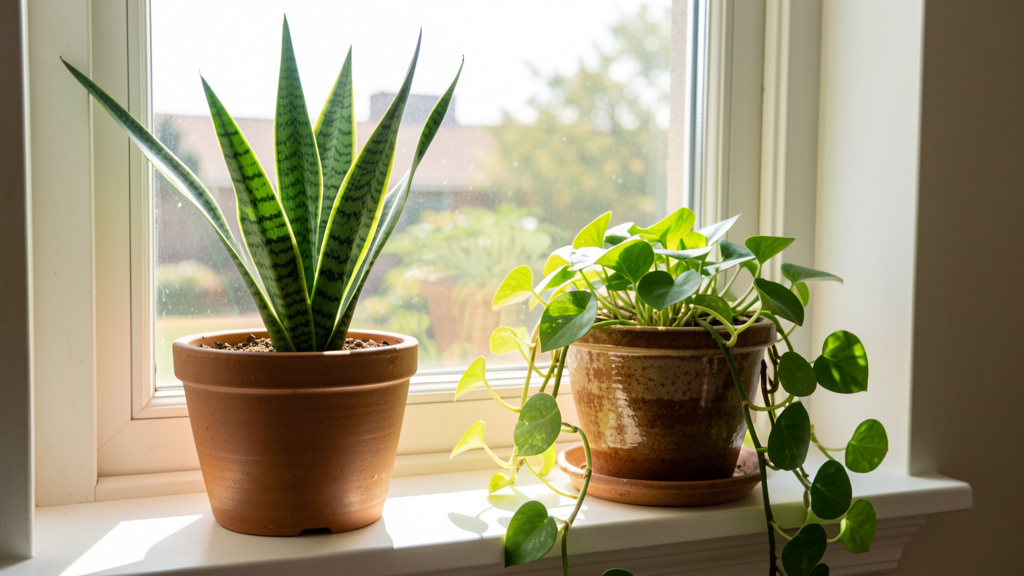
Transform your living space with greenery that forgives occasional neglect, supports well-being, and grows alongside your journey—no prior experience required, no perfection expected.
Imagine walking into a room where resilient green foliage offers a moment of calm after a demanding day. Sunlight filters through leaves that adapt to your apartment’s light conditions, your schedule, and your learning curve. This isn’t reserved for those with inherited gardening talent. It’s the accessible reality of choosing plants aligned with your environment and lifestyle. This guide replaces overwhelm with clarity by merging botanical principles with compassionate, practical strategy. You’ll move beyond generic lists to understand why certain plants succeed in your space, how to interpret their subtle cues, and how to build a sustainable indoor green practice with minimal daily effort.
Introduction: Why Your Journey Begins Here—And Why It Matters
For generations, indoor plants were framed as requiring innate skill or constant attention. Glossy publications showcased curated jungles maintained by unseen experts, while well-meaning warnings like “Don’t get a fiddle leaf fig—it’s impossible!” created unnecessary barriers. Contemporary understanding, supported by research in environmental psychology, reveals a gentler truth. Studies indicate that even brief interaction with indoor greenery can support reduced stress levels and enhanced mood. Additional research, including work building on NASA’s early investigations into indoor air quality, suggests certain common houseplants may contribute to filtering specific airborne compounds in controlled settings. These benefits aren’t gatekept by expertise—they belong to anyone willing to begin with intention.
Beginner plant care isn’t about achieving botanical perfection. It’s about cultivating presence, creating pockets of tranquility, and experiencing the quiet satisfaction of nurturing life. The initial hesitation—fear of causing harm, uncertainty about light, confusion over watering—is universal. This guide exists to replace anxiety with actionable clarity. We move beyond saturated “top 10” lists to offer a holistic framework grounded in how plants function within typical home environments. You’ll learn to observe your space with curiosity, interpret plant signals with growing confidence, and build resilience through small, consistent actions. This approach reflects principles emphasized by cooperative extension resources: sustainable plant care begins with matching the plant to the environment, not forcing the environment to conform to an idealized standard. Your journey toward a greener, calmer home starts not with a purchase, but with understanding. And that understanding begins right now.
The “Right Plant, Right Place” Framework: Building Unshakable Confidence Through Intentional Selection
Forget impulse buys driven by aesthetics alone. Sustainable success with indoor plants hinges on a single, powerful principle: harmony between a plant’s innate needs and your home’s reality. This isn’t about transforming your space into a greenhouse. It’s about working with your existing conditions. The “Right Plant, Right Place” Framework transforms selection from guesswork into a confident, personalized strategy. Developed from observed patterns in beginner plant care experiences, this three-step process eliminates overwhelm by focusing energy where it matters most. You’ll spend less time worrying and more time enjoying the greenery you’ve thoughtfully chosen.
Step 1: Conduct a Compassionate Home Environment Audit (No Tools Required)
Before considering a single plant, become a gentle observer of your own space. This isn’t judgment (“My apartment is too dark!”); it’s gathering neutral, factual data. Set aside 15 minutes with a notebook or phone. Move through each room where plants might live. Ask these specific, actionable questions:
-
Light Assessment (The Most Critical Factor): Stand in the intended spot at three key times: 9 AM, 1 PM, and 4 PM. Note:
- Direct Sunlight: Does a sharp, defined beam hit that spot? (Place your hand there—if you feel distinct warmth within 60 seconds, it’s direct sun). Which window direction provides it? (South-facing = strongest/most consistent light in the Northern Hemisphere; North-facing = consistently indirect/low light; East = gentle morning sun; West = intense afternoon sun).
- Indirect Light: Is the area bright but without a sharp sunbeam? Can you easily read a book there without a lamp? This is the “sweet spot” for most beginner plants.
- Low Light: Is the room dim even during daytime? Are shadows soft and undefined? Can you read only with supplemental lighting? (Note: Truly windowless rooms with minimal artificial light are generally unsuitable for living plants long-term; high-quality botanical replicas may be a fulfilling alternative there).
- Artificial Light: Do bright LED or fluorescent lights operate for 8+ hours daily? Some resilient plants (like ZZ or Snake Plant) can maintain health under consistent, bright artificial light.
-
Humidity Reality Check: Run a finger along surfaces near potential plant spots. Do they feel consistently dry? Is there visible condensation on windows in winter? Consider room function:
- Higher Humidity Zones: Bathrooms (especially with frequent showers), kitchens near sinks. Ideal for plants appreciating moisture (like Peace Lily).
- Lower Humidity Zones: Bedrooms with forced-air systems, living rooms with large windows, offices with constant AC. Most beginner-tolerant plants adapt well here, though it informs watering frequency.
- Quick Insight: Place a small mirror in the room overnight. Noticeable fogging in the morning suggests higher ambient humidity.
-
Temperature & Airflow Patterns: Note consistent drafts from vents, frequently opened exterior doors, or radiators. Most common houseplants prefer stable temperatures between 65°F–75°F (18°C–24°C). Avoid spots with drastic swings (like directly above a radiator or in the path of an AC blast). Gentle airflow supports plant health; constant harsh drafts cause stress.
-
Lifestyle Integration Points: Where do you naturally pause? Beside your reading chair? On the kitchen counter? Near your desk? Placing a plant where you’ll see it daily supports consistent care. Conversely, hard-to-reach spots (top of a tall bookshelf) call for ultra-low-maintenance choices (like a mature Snake Plant).
Why This Step Matters: Light fuels photosynthesis. Choosing a sun-loving plant for a dim corner creates unavoidable stress, regardless of perfect watering. This audit addresses one of the most frequent challenges in beginner plant care: environmental mismatch. It shifts selection from “What looks pretty?” to “What will thrive here?” This mindset shift builds foundational confidence. Observational patterns suggest that individuals who assess their space’s light conditions before selecting plants often experience greater long-term success and satisfaction.
Common Pitfall to Avoid: Assuming a “bright room” equals a “bright spot for plants.” Human eyes adapt to low light; a room feeling bright to us may offer insufficient light for plant growth. Always assess the specific location, not the general room ambiance. That cozy armchair corner might be perfect for you but challenging for a light-dependent plant.
Step 2: Honestly Assess Your Personal Care Capacity & Lifestyle Rhythm
Plants are living partners. Honoring your own reality is respect—for the plant and for yourself. Answer these questions with kindness. There are no wrong answers, only informative ones.
-
Time Commitment: How many minutes per week can you realistically dedicate to plant care?
- Under 10 minutes: Focus on ultra-resilient species (Snake Plant, ZZ Plant, Cast Iron Plant). Prioritize pots with drainage to prevent accidental overwatering during infrequent checks.
- 10–20 minutes: Opens options like Pothos, Philodendron, Spider Plant. Allows for quick weekly moisture checks and occasional leaf wiping.
- 20+ minutes: Enables caring for plants with clearer feedback cycles like Peace Lily or Chinese Evergreen.
-
Travel & Routine Variability: How often are you away overnight? For how long?
- Frequent Traveler (Away 1+ weeks monthly): Prioritize drought-tolerant champions. Group plants in a slightly shadier spot before leaving (reduces water usage). Rely primarily on resilient plant selection rather than complex watering aids.
- Stable Routine: You can enjoy plants with more regular watering needs. A simple calendar reminder titled “Plant Check-In” supports consistency.
- Unpredictable Schedule: Choose plants with wide margins for error. A ZZ Plant adapts well to irregular watering; a delicate fern may not.
-
Attention to Detail: Are you naturally observant of subtle changes? Or do you prefer clear signals?
- Preference for Clear Signals: Peace Lily provides dramatic, reversible drooping when thirsty. Spider Plant sends out visible “pups” when thriving.
- Comfort with Subtlety: Snake Plant or Chinese Evergreen show slower, nuanced changes. You’ll gradually learn to read slight shifts in leaf firmness or color.
-
Household Factors: Do you have curious pets or young children? (Critical for safety—addressed later). Is dust accumulation significant? (Plants with large, smooth leaves like ZZ or Snake Plant are easier to maintain).
Why This Step Builds Long-Term Success: Aligning plant needs with your capacity prevents frustration and supports positive reinforcement. Choosing a plant matching your current life fosters confidence. Each time you see your resilient ZZ Plant thriving despite a busy week, your sense of capability grows. This positive cycle is more valuable than any single plant purchase. Principles from horticultural therapy emphasize that sustainable engagement with nature requires honoring the caregiver’s capacity to avoid discouragement.
Common Pitfall to Avoid: Underestimating care needs during life transitions (new job, moving, holidays). When uncertain, choose the more resilient option. It’s far more rewarding to nurture a thriving Snake Plant into a statement piece than to repeatedly revive a stressed fern. Start simple. Mastery naturally inspires deeper exploration later.
Step 3: Curate Your Personalized Starter Shortlist
Armed with your Environment Audit and Lifestyle Assessment, you’re ready to select. This isn’t about the “best” plant universally. It’s about identifying the best plant for you, right now. Use this decision guide as your filter:
| Your Primary Constraint | Top Plant Recommendations | Why They Excel For You |
|---|---|---|
| Very Low Light (North window, interior room) | ZZ Plant, Snake Plant, Cast Iron Plant | Efficiently use minimal light; store water internally; tolerate irregular watering |
| Frequent Travel / Forgetful Waterer | Snake Plant, ZZ Plant, Ponytail Palm | Specialized tissues (rhizomes, caudex) store water; show clear distress signals only after significant drought |
| Pet-Friendly Priority | Spider Plant, Cast Iron Plant, Ponytail Palm | Verified non-toxic by ASPCA; offer visual interest without risk (always confirm current ASPCA database) |
| Clear “Thirst” Signals Needed | Peace Lily, Spider Plant | Provide unmistakable, reversible drooping when water is needed |
| Air Quality Consideration | Snake Plant, Peace Lily, Spider Plant | Identified in research for potential contribution to filtering specific compounds in controlled environments; effective within typical room contexts |
| Small Space / Desk | Small ZZ Plant, Pothos in hanging pot, Chinese Evergreen | Compact growth habits; adapt well to container constraints; tolerate office lighting |
The Starter Strategy: Resist the urge to buy multiple plants initially. Begin with one plant that aligns closely with your top constraint. Master its care. Observe its rhythms. Celebrate new growth. This single-plant focus builds foundational skills without overwhelm. After 2-3 months of positive experience, then consider adding a second plant with slightly different characteristics to expand your knowledge. This deliberate progression transforms plant care from a task into a rewarding practice. Starting with deep understanding of one plant creates a stronger foundation than managing several superficially.
The Fundamental Principle: Success in indoor plant care isn’t dependent on a mythical “green thumb.” It emerges naturally from creating intentional harmony between a plant’s biological needs, your home’s physical reality, and your personal lifestyle rhythm. When these elements align, thriving becomes the expected outcome.
The Top 10 Low-Maintenance Indoor Plants for Beginners: Your Detailed Companion Guide
Moving beyond superficial lists, this section provides deep, actionable profiles. For each plant, we detail why it earns its beginner-friendly status, precisely how to care for it within your audited environment, how to interpret its communication, and how to avoid pitfalls others rarely mention. Think of this as your personalized field guide.
1. Snake Plant (Dracaena trifasciata, formerly Sansevieria trifasciata)
Why It’s a Beginner’s Anchor: Often called “Mother-in-Law’s Tongue,” the Snake Plant is renowned for resilience. Native to arid regions of West Africa, it evolved to survive prolonged drought and low-light conditions. Its superpower lies in Crassulacean Acid Metabolism (CAM) photosynthesis. Unlike most plants that open leaf pores (stomata) during the day (losing water vapor), Snake Plants open stomata only at night. This allows carbon dioxide absorption while minimizing water loss—a critical adaptation for dry homes and infrequent watering. This process also releases oxygen at night. Research, including work building on NASA’s early studies, notes its potential role in filtering specific airborne compounds in controlled settings.
Decoding Its Language:
* Thirsty: Leaves feel slightly soft or flexible near the base (not brittle). Soil is completely dry 2+ inches down. Avoid waiting for dramatic drooping—this indicates significant stress.
* Overwatered: Yellowing leaves starting at the base; mushy, translucent spots; foul odor from soil. This is the primary risk.
* Happy: Firm, upright leaves with vibrant coloration; slow but steady production of new shoots (“pups”) from the rhizome.
Precision Care Protocol:
* Light: Thrives in Low to Bright Indirect Light. Tolerates deep shade but grows slowly. Avoid intense, direct afternoon sun (can scorch leaves). East or North windows are ideal. Adapts well to bright artificial office lighting.
* Watering: Guiding Principle: When in doubt, wait. Water only when soil is completely dry throughout the pot. Insert finger to second knuckle—no moisture detected? Water thoroughly until it runs from drainage holes, then empty the saucer immediately. In low light/winter: Every 3-6 weeks. In bright light/summer: Every 2-4 weeks. Use room-temperature water.
* Soil & Pot: Essential: Pot MUST have drainage holes. Use a fast-draining cactus/succulent mix or amend regular potting soil with 30% perlite. Terracotta pots are ideal—they wick away excess moisture.
* Temperature/Humidity: Prefers 70°F–90°F (21°C–32°C) but tolerates down to 50°F (10°C). Highly adaptable to average home humidity (30-50%). Avoid cold drafts.
* Growth & Size: Slow grower. Typical varieties reach 1–4 feet tall. New vertical shoots emerge from the soil base. Can be divided when pups are 3+ inches tall.
* Propagation Insight: Leaf cuttings work but may lose variegation. For true-to-type plants, divide the rhizome during repotting (spring). Each section needs roots and a growth point.
* Pet Safety Note: Toxic to cats and dogs (contains saponins). Causes gastrointestinal upset. Place high on shelves or in rooms pets cannot access. Always verify with the ASPCA Animal Poison Control Center database for current information.
* Practical Example: Someone with a dimly lit apartment and a demanding work schedule selects a Snake Plant for a north-facing windowsill. Watering only when the soil feels completely dry (approximately every five weeks in cooler months), they observe new green shoots emerging after several months. This visible progress, achieved with minimal effort, builds confidence for future plant additions.
Common Beginner Trap: Watering on a rigid schedule. Snake Plants respond to soil moisture and seasonal light—not calendars. Using a simple moisture meter can eliminate guesswork. Avoid misting—water trapped in the leaf rosette can promote rot.
2. ZZ Plant (Zamioculcas zamiifolia)
Why It’s a Beginner’s Secret Weapon: Hailing from dry, shaded forests of Eastern Africa, the ZZ Plant excels at resourcefulness. Its glossy, fern-like leaves are supported by thick, potato-like underground stems called rhizomes. These rhizomes act as water and nutrient reservoirs, allowing the plant to endure weeks—even months—of neglect. Its waxy leaf coating minimizes moisture loss. ZZ Plants photosynthesize efficiently in very low light, making them ideal for offices or dim hallways. They are notably pest-resistant due to their tough foliage.
Decoding Its Language:
* Thirsty: Leaflets lose rigidity, feeling slightly limp. Rhizomes feel less plump. Soil is dry deep down.
* Overwatered: Yellowing leaflets starting at the base; mushy stems at soil line; rhizomes turn soft and brown (rot). This is often difficult to reverse.
* Happy: Glossy, deep green leaflets held upright on sturdy stems; slow production of new stems from the soil.
Precision Care Protocol:
* Light: Low to Bright Indirect Light. Excels under fluorescent office lighting. Avoid harsh, direct sun (can bleach leaves). Tolerates deep shade but growth stalls.
* Watering: Water only when soil is completely dry. Thoroughly soak, drain completely. Frequency: Low light/winter: Every 4-8 weeks. Bright light/summer: Every 3-6 weeks. Underwatering causes temporary droop but is easily reversed; overwatering risks irreversible rot.
* Soil & Pot: Drainage holes essential. Use very fast-draining mix (cactus/succulent soil + extra perlite). Terracotta pot highly recommended. Rhizomes rot quickly in soggy soil.
* Temperature/Humidity: Prefers 65°F–75°F (18°C–24°C). Tolerates down to 45°F (7°C) briefly. Thrives in low humidity (20-40%); ideal for dry, heated homes.
* Growth & Size: Very slow grower. Typically 2–3 feet tall/wide indoors. New stems emerge directly from rhizomes.
* Propagation Insight: Leaflet cuttings take many months (6-12+) to form rhizomes. Best method: Divide rhizomes during repotting (spring). Ensure each division has roots and at least one growth node.
* Pet Safety Note: Toxic to cats and dogs (calcium oxalate crystals). Causes oral irritation, drooling. Keep out of reach. Non-toxic alternatives exist if pets are a primary concern.
* Practical Example: An individual working rotating shifts places a ZZ Plant on an office desk under fluorescent lights. Watering only when remembered—sometimes going eight weeks between waterings—the plant remains vibrant and produces a new stem after a year. Its steadfastness provides calm amidst an unpredictable routine.
Common Beginner Trap: Placing in a decorative pot without drainage. This significantly increases rot risk. Always use a nursery pot with holes inside a cachepot (decorative sleeve). Water in the sink, let drain fully, then return. Avoid frequent fertilizing—excess salts build up in the slow-growing root zone.
3. Golden Pothos (Epipremnum aureum)
Why It’s a Beginner’s Joyful Teacher: Often mistaken for Philodendron, Pothos is a natural climber thriving on adaptability. Native to tropical forests of Southeast Asia, its heart-shaped leaves display stunning variegation that intensifies with brighter light. Pothos provides immediate, visible feedback: it droops dramatically when thirsty but recovers quickly after watering—a powerful confidence-builder. Its trailing habit softens shelves, desks, or hanging baskets beautifully. Research notes its potential contribution to filtering specific compounds in controlled indoor environments.
Decoding Its Language:
* Thirsty: Entire vine droops noticeably; leaves feel thin and limp. Very clear signal!
* Overwatered: Yellowing leaves (often starting with older leaves); consistently wet soil; mushy stems near base.
* Happy: Vigorous trailing growth; vibrant leaf color; firm stems; produces aerial roots (tiny brown nubs on stems).
* Light Feedback: Variegation fades to solid green in low light (plant producing more chlorophyll). Brown, crispy leaf edges indicate too much direct sun.
Precision Care Protocol:
* Light: Low to Bright Indirect Light. Variegation is most pronounced in medium-bright indirect light (East window ideal). Tolerates low light but grows slower with less pattern. Avoid harsh direct sun.
* Watering: Water when top 1-2 inches of soil feel dry. Thoroughly soak, drain well. Frequency: Typically every 1-2 weeks. Respond to drooping—it’s a reliable cue. Recovers quickly from underwatering.
* Soil & Pot: Standard well-draining potting mix. Drainage holes recommended. Thrives in hanging baskets or on shelves where vines cascade.
* Temperature/Humidity: Prefers 65°F–85°F (18°C–29°C). Tolerates average home humidity. Brown leaf tips can indicate very dry air—group with other plants or use a pebble tray.
* Growth & Size: Fast grower. Vines can reach 6–10 feet indoors. Easily pruned to control length and encourage bushiness.
* Propagation Insight: Effortless. Cut a stem section just below a node (the bump where leaves/aerial roots emerge). Place node in water. Roots form in 1-3 weeks. Transfer to soil once roots are 1-2 inches long. Share cuttings freely!
* Pet Safety Note: Toxic to cats and dogs (insoluble calcium oxalates). Causes oral discomfort. Keep hanging baskets high or place on inaccessible shelves.
* Practical Example: A student in a dorm room with limited natural light chooses a small Pothos. Watering when the vines droop (about weekly), they enjoy watching it trail over a bookshelf. Successfully rooting a cutting in a jar on the windowsill to gift to a friend creates a meaningful moment of connection and accomplishment.
Common Beginner Trap: Confusing natural leaf aging (older leaves at the base turning yellow) with overwatering. If only the oldest leaves yellow while new growth is vibrant, it’s typically normal. Avoid letting vines sit in standing water in saucers.
4. Spider Plant (Chlorophytum comosum)
Why It’s a Beginner’s Cheerful Companion: With arching green-and-white striped leaves and prolific “spiderettes” (baby plants on runners), the Spider Plant radiates joyful abundance. Native to South African grasslands, it’s incredibly adaptable. It provides multiple clear communication channels: drooping when thirsty, browning leaf tips signaling dry air or water sensitivity, and sending out pups when thriving. Crucially, it is verified non-toxic, making it a top choice for homes with pets or children. Research notes its potential role in filtering specific airborne compounds in controlled settings.
Decoding Its Language:
* Thirsty: Entire plant droops significantly; leaves lose rigidity.
* Overwatered: Yellowing leaves; mushy crown (center where leaves emerge); foul soil odor.
* Brown Tips: Very common. Usually caused by minerals in tap water, low humidity, or fertilizer residue. Not fatal, but indicates a need for adjustment.
* Happy: Lush, arching foliage; production of long runners with tiny white flowers followed by spiderettes.
Precision Care Protocol:
* Light: Medium to Bright Indirect Light. Best variegation in bright indirect light (East or West window). Tolerates lower light but produces fewer pups. Avoid intense direct sun.
* Watering: Keep soil consistently slightly moist, but never soggy. Water when top inch feels dry. More frequent watering needed than Snake Plant or ZZ. Using filtered, distilled, or rainwater may reduce brown tips if tap water is suspect. Recovers quickly from underwatering.
* Soil & Pot: Standard potting mix with good drainage. Prefers to be slightly root-bound, which encourages pup production. Ensure drainage holes.
* Temperature/Humidity: Prefers 60°F–75°F (15°C–24°C). Appreciates moderate humidity (40-50%). Brown tips often improve with higher humidity (group plants, pebble tray).
* Growth & Size: Forms a dense clump 1–2 feet wide. Runners can extend 2+ feet. Pups develop roots while still attached.
* Propagation Insight: Effortless and rewarding. Snip a spiderette with roots attached and pot directly in soil. Or, place the pup (while still attached) into a small pot of soil beside the mother plant; once rooted, cut the runner. A wonderful activity for all ages.
* Pet Safety Note: Non-toxic to cats and dogs (ASPCA verified). Safe for curious households. A highly recommended starting point for pet owners.
* Practical Example: A family with young children and a dog selects a Spider Plant for a sunny kitchen windowsill. Using cooled boiled water for irrigation, they observe the plant producing numerous spiderettes within months. Children pot the babies into small cups as gifts—a hands-on lesson in growth that becomes a cherished ritual.
Common Beginner Trap: Over-fertilizing. Spider Plants are light feeders. Excess fertilizer contributes to tip browning. Feed only monthly during spring/summer with half-strength balanced fertilizer. Brown tips can be neatly trimmed at an angle with scissors for aesthetics without harming the plant.
5. Peace Lily (Spathiphyllum spp.)
Why It’s a Beginner’s Empathetic Guide: The Peace Lily earns its beginner status through unmistakable communication. When it needs water, the entire plant dramatically droops—a clear, urgent, yet reversible signal. Within 30-60 minutes of watering, it revives, providing immediate positive reinforcement. This feedback loop teaches new caregivers to recognize plant thirst cues. Beyond its elegant white spathes, research notes its potential contribution to filtering specific compounds in controlled indoor environments. Its preference for consistent moisture aligns well with caregivers who enjoy regular, mindful routines.
Decoding Its Language:
* Thirsty: Dramatic, uniform drooping of all leaves and stems. The most reliable signal of any common houseplant.
* Overwatered: Yellowing leaves (especially lower ones); constantly wet soil; blackened leaf tips; root rot smell.
* Too Much Light: Brown, scorched patches on leaves; faded green color.
* Happy: Upright, deep green glossy leaves; production of white spathes (typically spring/summer).
Precision Care Protocol:
* Light: Low to Medium Indirect Light. Crucially: No direct sun. East or North windows are perfect. Too little light = fewer blooms; too much light = leaf burn. Fluorescent office lighting is often sufficient.
* Watering: Water thoroughly when the plant just begins to droop slightly, or when top inch of soil feels dry. Never let it sit in water. Use room-temperature water. Consistent moisture is key—avoid letting it dry out completely or stay soggy. Frequent drooping stresses the plant over time.
* Soil & Pot: Standard potting mix that retains some moisture but drains well. Drainage holes essential. Prefers to be slightly root-bound for better blooming.
* Temperature/Humidity: Prefers 65°F–80°F (18°C–27°C). Appreciates higher humidity (50%+). Brown leaf tips often indicate dry air. Place on a pebble tray with water, group with other plants, or use a humidifier. Avoid cold drafts.
* Growth & Size: Typically 1–4 feet tall/wide depending on variety. Grows in a clumping habit.
* Propagation Insight: Divide the root ball during repotting (spring). Gently separate sections with roots and leaves. Each division should have several growth points. Pot in fresh soil.
* Pet Safety Note: Toxic to cats and dogs (calcium oxalate crystals). Causes oral irritation. Not recommended for homes with pets that chew plants. Place high on plant stands if chosen.
* Practical Example: Someone who struggled to remember watering schedules places a Peace Lily on their desk. The first time it droops mid-afternoon, they water it. Watching it revive by the next morning provides clear understanding. They learn to check it daily; the slight loss of rigidity before full droop becomes their reliable cue. This plant teaches hydration rhythm without guilt.
Common Beginner Trap: Ignoring the droop signal repeatedly. While recovery is quick initially, chronic dehydration weakens the plant. Also, placing it in direct sun to “encourage blooming” causes irreversible leaf scorch. Patience with appropriate light yields better results.
6. Chinese Evergreen (Aglaonema spp.)
Why It’s a Beginner’s Stylish Ally: Prized for stunning, patterned foliage in shades of green, silver, red, and pink, the Chinese Evergreen is a low-light powerhouse. Native to tropical Asian rainforests, it evolved on shaded forest floors, making it exceptionally tolerant of low-light conditions common in modern homes. It’s slow-growing, requiring minimal pruning. Newer cultivars offer incredible visual interest without demanding expertise. Research notes its potential role in filtering specific compounds in controlled settings.
Decoding Its Language:
* Thirsty: Leaves lose glossiness; slight droop in newer growth; soil feels dry 1-2 inches down.
* Overwatered: Yellowing leaves (often starting with lower leaves); mushy stems; foul odor. Very susceptible to root rot.
* Too Much Light: Faded leaf color; brown, crispy patches on leaves.
* Happy: Vibrant, glossy leaf patterns; slow but steady production of new leaves from the center.
Precision Care Protocol:
* Light: Low to Medium Indirect Light. Avoid direct sun (scorches leaves, fades colors). North or East windows ideal. Thrives under bright artificial light. Deeper green varieties tolerate lower light than highly variegated types (which need medium light to maintain color).
* Watering: Water when top 1-2 inches of soil feel dry. Thoroughly soak, drain completely. Less frequent watering needed in low light/winter. Consistently moist but never soggy soil is the goal. Use room-temperature water.
* Soil & Pot: Well-draining potting mix. Drainage holes critical. Sensitive to fluoride/chlorine—use filtered or distilled water if brown leaf tips appear.
* Temperature/Humidity: Prefers 65°F–80°F (18°C–27°C). Appreciates moderate to high humidity (50%+). Brown leaf tips often signal dry air. Group plants or use a pebble tray. Avoid cold drafts below 60°F (15°C).
* Growth & Size: Slow grower. Typically 1–3 feet tall. Bushy, upright habit.
* Propagation Insight: Stem cuttings. Cut a healthy stem section with several leaves and nodes. Place in water until roots form (several weeks), then pot in soil. Or, divide the plant during repotting (spring).
* Pet Safety Note: Toxic to cats and dogs (calcium oxalate crystals). Causes oral irritation. Keep out of reach of pets.
* Practical Example: An office worker in a windowless space with bright LED lighting chooses a ‘Silver Bay’ Chinese Evergreen for their desk. Watering every 10 days (when soil feels dry an inch down) and wiping leaves monthly keeps it vibrant for years. Its striking appearance becomes a conversation starter, boosting confidence to add plants at home.
Common Beginner Trap: Overwatering due to its “tropical” appearance. Despite appreciating humidity, its roots rot easily in soggy soil. Always check soil moisture before watering. Using water left out overnight reaches room temperature and allows some chlorine to dissipate.
7. Cast Iron Plant (Aspidistra elatior)
Why It’s a Beginner’s Unshakeable Foundation: True to its name, the Cast Iron Plant is exceptionally resilient. Native to forest floors of Japan and Taiwan, it thrives in deep shade, tolerates temperature fluctuations, irregular watering, and low humidity. Its broad, dark green, leathery leaves (up to 2 feet long) add dramatic texture. It grows extremely slowly, requiring repotting only every 3-5 years. Historically valued for dim interiors, it’s the ultimate choice for challenging spots: north-facing hallways, bathrooms with some artificial light, or offices with minimal attention.
Decoding Its Language:
* Thirsty: Very subtle. Leaves may lose slight rigidity; soil is dry deep down. Rarely droops dramatically.
* Overwatered: Yellowing leaves; mushy base; root rot. Primary risk due to slow growth and low water needs.
* Too Much Light: Brown, scorched patches on leaves; faded color.
* Happy: Deep green, glossy, upright leaves; very slow production of new leaves from the base.
Precision Care Protocol:
* Light: Low Light Champion. Prefers shade to medium indirect light. Tolerates deep shade and fluorescent lighting. Avoid all direct sun (causes severe leaf scorch). Ideal for spots where other plants struggle.
* Watering: Water only when top 2 inches of soil are dry. Thoroughly soak, drain completely. Infrequent watering is key: Every 2-4 weeks depending on light/temperature. Extremely drought-tolerant. Underwatering is rarely fatal; overwatering is the main threat.
* Soil & Pot: Standard potting mix with good drainage. Drainage holes essential. Prefers to be slightly root-bound.
* Temperature/Humidity: Tolerates 45°F–85°F (7°C–29°C). Handles average to low home humidity (30-50%) exceptionally well. Very adaptable.
* Growth & Size: Very slow grower. Typically 2–3 feet tall. Forms a dense clump of upright leaves.
* Propagation Insight: Divide the rhizomatous root ball during repotting (spring). Gently separate sections with roots and growth points. Pot in fresh soil.
* Pet Safety Note: Non-toxic to cats and dogs (ASPCA verified). An excellent safe choice for pet owners needing a low-light solution.
* Practical Example: Someone with a dim, narrow hallway featuring a single north window places a Cast Iron Plant there. Watering sparingly (about every three weeks) and wiping dust from its broad leaves monthly, it not only survives but slowly produces new leaves over time. Its steadfast presence transforms a forgotten space into a point of quiet pride.
Common Beginner Trap: Giving it “more care” out of concern—overwatering or placing it in brighter light “to help it grow faster.” This plant thrives on benign neglect. Trust its resilience. Avoid frequent fertilizing; excess salts harm its slow metabolism.
8. Aloe Vera (Aloe barbadensis miller)
Why It’s a Beginner’s Practical Partner: Beyond its traditional use for soothing minor skin irritations (the clear gel inside leaves), Aloe Vera is a striking, sculptural succulent suited for sunny windowsills. Native to arid regions of the Arabian Peninsula, it stores water in thick, fleshy leaves. It provides clear visual cues: leaves plump when hydrated, slightly concave when thirsty. Its ability to produce “pups” (offsets) offers easy propagation. Research notes its potential role in filtering specific compounds in controlled indoor environments.
Decoding Its Language:
* Thirsty: Leaves feel less firm, may appear slightly concave or wrinkled; lower leaves might soften first.
* Overwatered: Leaves turn yellow, then mushy and translucent; base becomes soft and brown (rot); soil stays wet for days. Often fatal.
* Too Much Sun: Brown, dry patches on leaves (sunburn).
* Happy: Plump, upright, vibrant green leaves with serrated edges; production of pups around the base; may send up a tall flower spike indoors (rare).
Precision Care Protocol:
* Light: Bright Direct to Indirect Light. South or West window ideal. Needs strong light to maintain compact shape and vibrant color. Insufficient light causes etiolation (stretching, pale leaves).
* Watering: Soak and Dry Method. Water deeply only when soil is completely dry throughout the pot. Allow excess water to drain fully. Empty saucer. Frequency: Every 2-4 weeks in summer; every 4-6 weeks in winter. Less is more. Use room-temperature water.
* Soil & Pot: Critical: Fast-draining cactus/succulent mix. Standard potting soil retains too much moisture. Pot MUST have drainage holes. Terracotta is ideal. Pot size should be snug—only 1-2 inches wider than root ball.
* Temperature/Humidity: Prefers 55°F–80°F (13°C–27°C). Protect from frost. Tolerates low humidity well.
* Growth & Size: Typically 1–2 feet tall/wide. Forms a rosette. Pups emerge from the base.
* Propagation Insight: Gently separate pups (with some roots attached) from the mother plant during repotting. Allow cut ends to callous over for 1-2 days, then pot in dry cactus mix. Wait one week before first watering.
* Pet Safety Note: Toxic to cats and dogs (saponins, anthraquinones). Causes gastrointestinal upset. Keep well out of reach of pets. The gel is for external human use only; internal consumption is unsafe.
* Practical Example: Someone keeps an Aloe Vera on a sunny kitchen windowsill. Learning to water only when leaves feel less plump (about every three weeks), they appreciate its sculptural form. When a minor cooking burn occurs, carefully harvesting a small amount of gel provides a tangible connection to the plant’s traditional use. Seeing pups form feels like a reward for consistent, appropriate care.
Common Beginner Trap: Using standard potting soil or a pot without drainage. This guarantees root rot risk. Also, harvesting gel too aggressively—never remove more than 1-2 outer leaves at a time, and avoid cutting into the central growing point. Allow the plant to recover.
9. Heartleaf Philodendron (Philodendron hederaceum)
Why It’s a Beginner’s Graceful Companion: Often confused with Pothos, Heartleaf Philodendron features softer, thinner heart-shaped leaves (uniform green or with subtle bronze undersides) and finer aerial roots. Native to tropical Americas, it’s a vigorous, adaptable climber or trailer. It tolerates a wide range of light conditions and provides clear thirst signals (drooping). Its air-purifying qualities are noted in research on indoor environments. It’s slightly more tolerant of lower light than Pothos and often preferred for its softer aesthetic.
Decoding Its Language:
* Thirsty: Leaves and stems droop noticeably. Very reliable signal.
* Overwatered: Yellowing leaves (especially older ones); consistently wet soil; mushy stems.
* Too Little Light: Increased space between leaves on stems (leggy growth); smaller new leaves.
* Happy: Vigorous trailing or climbing growth; deep green, glossy heart-shaped leaves; production of aerial roots seeking support.
Precision Care Protocol:
* Light: Low to Bright Indirect Light. Thrives in medium indirect light (East window ideal). Tolerates low light but grows slower. Avoid harsh direct sun.
* Watering: Water when top 1-2 inches of soil feel dry. Thoroughly soak, drain well. Respond to drooping—it’s a trustworthy cue. Recovers quickly from underwatering.
* Soil & Pot: Standard well-draining potting mix. Drainage holes recommended. Excellent in hanging baskets or trained up a moss pole.
* Temperature/Humidity: Prefers 65°F–80°F (18°C–27°C). Appreciates moderate humidity (40-50%) but adapts to average home levels. Brown leaf tips can indicate dry air.
* Growth & Size: Fast grower. Vines can reach 6–10 feet indoors. Easily pruned to encourage bushiness.
* Propagation Insight: Simple. Cut a stem section below a node (where leaves/aerial roots emerge). Place node in water. Roots form in 1-3 weeks. Transfer to soil once roots are 1-2 inches long.
* Pet Safety Note: Toxic to cats and dogs (insoluble calcium oxalates). Causes oral irritation. Keep hanging baskets high or place on inaccessible shelves.
* Practical Example: After successfully caring for a Pothos, someone chooses a Heartleaf Philodendron for a slightly shadier bedroom. Training its vines up a small moss pole beside the bed, they water when it droops (about weekly). Enjoying watching new leaves unfurl provides a daily moment of calm. Propagating cuttings to share strengthens connections and gardening confidence.
Common Beginner Trap: Confusing it with Pothos and applying identical care. While similar, Philodendron generally prefers slightly more consistent moisture and is a bit more sensitive to very dry air. Providing support for climbing varieties encourages larger, more dramatic leaves and prevents legginess.
10. Ponytail Palm (Beaucarnea recurvata)
Why It’s a Beginner’s Architectural Statement: Despite its name, this is not a true palm but a succulent in the agave family. Its most striking feature is a large, bulbous base (caudex) that stores water, topped with long, thin, cascading leaves. Native to semi-arid regions of Mexico, it’s exceptionally drought-tolerant and slow-growing. It thrives on neglect, making it perfect for forgetful waterers or sunny spots. Its unique form adds sculptural interest. It’s non-toxic and notably pest-resistant.
Decoding Its Language:
* Thirsty: Leaves lose rigidity, becoming limp or curly; caudex may feel slightly less firm.
* Overwatered: Yellowing leaves; soft, mushy caudex (base); foul odor. This is the primary risk and often irreversible.
* Happy: Stiff, upright, green leaves cascading gracefully; firm, hard caudex; very slow increase in caudex size over years.
Precision Care Protocol:
* Light: Bright Direct to Indirect Light. South or West window ideal. Needs strong light to maintain compact shape. Tolerates some direct sun. Insufficient light causes weak, floppy growth.
* Watering: Extreme caution. Water only when soil is completely dry deep into the pot. Thoroughly soak, drain completely. Empty saucer. Frequency: Every 3-6 weeks in summer; every 6-8+ weeks in winter. Less is vastly better than more. Underwatering causes temporary leaf curl but is easily reversed; overwatering risks fatal rot in the water-storing caudex.
* Soil & Pot: Critical: Very fast-draining cactus/succulent mix. Amend with extra perlite or pumice. Pot MUST have drainage holes. Terracotta pot highly recommended. Pot should be only slightly larger than the caudex—too large a pot holds excess moisture.
* Temperature/Humidity: Prefers 60°F–80°F (15°C–27°C). Tolerates down to 50°F (10°C). Thrives in low humidity (20-40%); perfect for dry homes.
* Growth & Size: Very slow grower. Caudex expands slowly over decades. Leaves can reach 3+ feet long indoors. Rarely flowers indoors.
* Propagation Insight: Pups (offsets) sometimes form at the base of mature plants. Carefully remove with a sharp, sterile knife, ensuring some root attachment. Allow cut end to callous for several days, then pot in dry cactus mix. Wait 1-2 weeks before first watering.
* Pet Safety Note: Non-toxic to cats and dogs (ASPCA verified). A safe, striking choice for pet owners.
* Practical Example: Someone places a small Ponytail Palm on a sunny lanai or bright windowsill. Watering only when leaves show slight limpness—sometimes going two months between waterings during cooler months—the plant becomes a cherished, low-maintenance focal point. Its slow, steady growth mirrors patience and resilience.
Common Beginner Trap: Treating it like a true palm and watering frequently. Its succulent nature demands infrequent, deep watering. Also, repotting too often or into a pot that’s too large. This plant prefers to be snug. Only repot when roots are visibly circling the soil surface, and increase pot size by only 1-2 inches.
Mastering the Foundational Four: Watering, Light, Soil, and Seasonal Shifts
Understanding your plant is only half the journey. Mastering core environmental factors transforms sporadic success into consistent thriving. These elements interact dynamically—changing one affects the others. This section provides nuanced, practical knowledge often missing from quick-tip lists.
The Art and Science of Watering: Beyond “Once a Week”
Watering is the most frequent point of uncertainty, not because it’s complex, but because rigid schedules ignore plant and environmental reality. Plants respond to soil moisture, light intensity, temperature, humidity, and pot type—not calendars. Adopt the Finger Test Protocol:
- Insert: Push your finger straight down into the soil to the depth specified for your plant (e.g., “top inch” for Peace Lily, “completely dry” for Snake Plant).
- Assess: Feel the soil texture and temperature. Is it cool and damp? Crumbly and dry? Sticky and wet?
- Decide: Water only if conditions match your plant’s specific need. If unsure, wait 2-3 days and retest.
- Execute: Water slowly at the base until it flows freely from drainage holes. This ensures the entire root ball is moistened. Never let the plant sit in standing water—empty the saucer within 15 minutes.
Why the Finger Test Trumps Schedules: A Pothos in a bright, warm, south-facing window in July may need water every 5 days. The same plant in a cool, dim north-facing room in January may need water only every 18 days. A simple moisture meter can be a helpful tool for deep pots or if finger access is difficult, but the finger test builds intuitive skill over time.
Water Quality Considerations: Tap water often contains minerals that may accumulate in soil, potentially contributing to brown leaf tips (especially on Spider Plants, Peace Lilies). Gentle solutions:
* Let it Sit: Fill a watering can and let tap water sit uncovered for 24 hours. Some chlorine evaporates; fluoride does not.
* Filter: Use a standard carbon filter pitcher.
* Rainwater/Distilled: Ideal but less convenient. Collect rainwater in a clean container.
* Bottom Watering: Place pot in a shallow tray of water for 15-30 minutes, allowing soil to wick moisture upward. Reduces mineral buildup on leaf surfaces. Beneficial for plants prone to crown issues or when top soil is hydrophobic (repels water).
Seasonal Watering Shifts: Plants often enter a period of slower growth in fall/winter due to shorter days and lower light. Reduce watering frequency during cooler, darker months. Overwatering in winter is a common challenge. Conversely, in spring/summer with longer days and stronger light, watering frequency naturally increases. Observe your plant’s cues—they will guide you.
Illuminating Light: Reading the Language of Photons
Light is essential fuel. Understanding its quality, duration, and intensity is non-negotiable. Move beyond “bright” or “low” to precise observation.
- Direct Sunlight: A sharp, defined beam creating a distinct shadow. Causes sunburn (brown, crispy patches) on most non-desert plants. Only suitable for cacti, succulents (Aloe, Ponytail Palm), and some Ficus varieties. Filter intense afternoon sun (West window) with sheer curtains.
- Bright Indirect Light: Area is well-lit, but no sharp sunbeam hits the spot. Creates a soft, fuzzy shadow. Ideal for most beginner plants (Pothos, Philodendron, Chinese Evergreen). Achieved near East/West windows (without direct beam) or 3-5 feet back from a South window.
- Medium Indirect Light: Room is comfortably lit for human activity; reading is easy without a lamp. Shadow is faint. Suitable for Snake Plant, ZZ Plant, Cast Iron Plant. Typically found 5-8 feet from a South window, near North windows, or in rooms with multiple light sources.
- Low Light: Room is dim; reading requires a lamp. Shadows are barely visible. Only suitable for the most tolerant plants (ZZ, Snake Plant, Cast Iron Plant). Deep interior rooms, hallways, rooms with North windows in dense urban areas. True “no light” is not viable for living plants.
Maximizing Limited Light:
* Reflect: Place plants near light-colored walls or use mirrors strategically to bounce available light.
* Clean: Wipe dust from leaves monthly with a damp cloth—dust blocks light absorption.
* Rotate: Turn pots ¼ turn weekly to ensure even growth and prevent leaning.
* Supplement: Full-spectrum LED grow lights (inexpensive clip-on types) provide targeted light for dim spots. Run 6-8 hours daily on a timer. A practical solution for winter months or windowless offices.
Signs of Light Stress:
* Too Little: Leggy growth (long spaces between leaves); smaller new leaves; loss of variegation (turning solid green); slow or no growth; leaning dramatically toward light source.
* Too Much: Brown, crispy patches on leaves; faded or bleached leaf color; leaves curling inward; sudden leaf drop.
Soil Science Simplified: It’s Not Just “Dirt”
Potting mix is an engineered growing medium, not garden soil. Garden soil compacts in pots, suffocating roots and promoting disease. Quality potting mix provides:
* Aeration: Air pockets for root respiration (perlite, pumice, bark).
* Drainage: Prevents waterlogging (perlite, sand).
* Moisture Retention: Holds available water (peat moss, coir, compost).
* Nutrients: Initial food source (compost, slow-release fertilizer).
Choosing the Right Mix:
* All-Purpose: Good for Pothos, Philodendron, Spider Plant, Peace Lily. Look for “indoor potting mix.”
* Cactus/Succulent: Essential for Snake Plant, ZZ Plant, Aloe, Ponytail Palm. Contains extra perlite/pumice for fast drainage. Do not use standard mix for these plants.
* DIY Boost: For any mix, adding 20-30% extra perlite improves drainage and prevents compaction over time—a practical tip for long-term health.
When to Repot: Not on a schedule! Signs your plant may need a new home:
* Roots circling densely at soil surface or growing from drainage holes.
* Water runs straight through pot without being absorbed (hydrophobic soil).
* Plant is top-heavy and tips over easily.
* Growth has stalled significantly despite proper care.
* Generally: Every 1-3 years for most plants. Slow growers (ZZ, Snake Plant) may go 3-5 years.
Repotting Ritual:
1. Choose a pot only 1-2 inches larger in diameter than current pot. Too big = soggy soil risk.
2. Water plant lightly 1 day before repotting (eases removal).
3. Gently loosen root ball; trim any black, mushy roots with sterile scissors.
4. Place fresh mix in new pot bottom. Position plant. Fill sides with mix, gently firming.
5. Water lightly to settle soil. Avoid fertilizing for 4-6 weeks.
6. Place in bright, indirect light (not direct sun) for 1-2 weeks to recover.
Honoring the Seasons: Adapting Care to Nature’s Rhythm
Indoor plants often sense seasonal shifts through changes in daylight length and intensity. Aligning care with these rhythms supports plant health.
- Spring (Growth Awakening): Increasing light triggers new growth. Resume regular watering as soil dries faster. Begin light fertilizing (half-strength balanced fertilizer) every 4-6 weeks if desired. Ideal time for repotting and propagation.
- Summer (Peak Growth): Highest light and temperatures. Water more frequently as needed. Monitor for pests. Ensure plants aren’t scorched by intensified sun through windows. Mist humidity-loving plants on very dry days if beneficial.
- Fall (Transition to Rest): Decreasing light slows growth. Gradually reduce watering frequency. Stop fertilizing. Bring outdoor plants inside before nighttime temperatures drop below 50°F (10°C). Check thoroughly for pests before bringing indoors.
- Winter (Resting Phase): Shortest days, lowest light, dry indoor air from heating. Water sparingly—this is critical. Overwatering is a common winter challenge. Hold all fertilizer. Increase humidity for sensitive plants (pebble trays, grouping). Keep plants away from cold drafts and heating vents. Accept slower growth—it’s natural.
Navigating Common Challenges: Troubleshooting with Compassion
Even with thoughtful care, challenges may arise. View them as communication, not failure. Approach troubleshooting calmly and systematically.
Yellow Leaves: Decoding the Message
Yellowing is a symptom, not a diagnosis. Ask:
* Which leaves? Older, lower leaves: Often natural aging—remove cleanly. Newer, upper leaves: Usually overwatering or other stress.
* Pattern? Uniform yellowing: Overwatering, poor drainage. Yellow between veins (green veins): Possible nutrient issue. Yellow spots: Could be pest activity or sun exposure.
* Soil condition? Wet soil + yellow leaves = Overwatering. Stop watering. Check roots for rot (brown, mushy). If severe, repot immediately in dry mix, trim affected roots. Dry soil + yellow leaves = Underwatering (less common primary cause of yellowing; usually causes browning first). Water thoroughly.
Action Plan: Check soil moisture first. Adjust watering. Ensure drainage. If persistent, consider light levels or recent care changes.
Brown Leaf Tips or Edges: The Humidity & Water Quality Clue
Very common, rarely fatal, but indicates environmental stress.
* Primary Causes: Low humidity, minerals in water, fertilizer residue, inconsistent watering.
* Solutions:
* Consider filtered, distilled, or rainwater if tap water is suspect.
* Increase humidity: Group plants, use pebble trays, run a humidifier.
* Flush soil: Water deeply 3-4 times in succession to dissolve and wash out residue. Do this every few months.
* Trim brown tips neatly at an angle with sharp scissors for aesthetics (follow leaf shape).
Drooping: Thirst vs. Distress
- Pothos, Philodendron, Peace Lily: Drooping usually means thirst. Water thoroughly. Should perk up within hours. If it doesn’t, check for root issues (overwatering can also cause drooping if roots are damaged).
- Snake Plant, ZZ Plant: Drooping is significant distress, usually from overwatering/root issues. Check soil—if wet, stop watering immediately. Inspect roots. May require repotting in dry mix.
Pest Patrol: Identification and Gentle Intervention
Prevention is key: Quarantine new plants for 2-3 weeks. Inspect leaves (top and bottom) monthly. Healthy plants resist pests better.
* Fungus Gnats (tiny black flies): Larvae feed on roots in soggy soil. Fix: Let soil dry thoroughly between waterings. Place yellow sticky traps. Top-dress soil with ½ inch of sand. Apply Bacillus thuringiensis israelensis (BTI) drench if needed.
* Spider Mites (tiny dots; fine webbing): Thrive in dry air. Fix: Isolate plant. Spray leaves thoroughly (especially undersides) with strong water stream. Wipe leaves with soapy water (1 tsp mild dish soap per quart water). Repeat every few days for 1-2 weeks. Increase humidity.
* Mealybugs (white cottony masses): Fix: Dab directly with cotton swab dipped in 70% isopropyl alcohol. Repeat every few days. For persistent cases, use insecticidal soap spray.
* Scale (brown bumps on stems/leaves): Fix: Scrape off gently with fingernail or soft toothbrush. Wipe area with alcohol swab. Repeat as needed.
Integrated Pest Management (IPM) Principle: Start with least disruptive methods (water spray, alcohol, soap). Only escalate if needed. Avoid broad-spectrum pesticides indoors. Consistency is more important than strength—repeat treatments to address life cycles.
When Revival Isn’t Possible: Graceful Acceptance
Sometimes, despite your best efforts, a plant cannot recover (severe root rot, advanced pest issues). This is not a reflection of your worth or ability. It is a natural part of the gardening journey. Dispose of the plant and soil responsibly. Clean the pot thoroughly before reuse. Reflect calmly: What was the likely cause? (Overwatering? Wrong light?). Apply this learning to your next plant. Every gardener has experienced loss. It’s a step in the learning process, not failure. Honor the effort you gave and move forward with greater wisdom.
Beyond Survival: Encouraging Growth, Propagation, and Deepening Connection
Once your plants are consistently thriving, the journey deepens. This is where plant care transforms from maintenance to meaningful engagement.
Gentle Encouragement: Fertilizing with Intention
Plants in pots may exhaust soil nutrients over time. Fertilizing can replenish this, supporting growth. Crucial: Never fertilize a stressed, diseased, or newly repotted plant. Only feed healthy, actively growing plants (spring/summer).
* Choose Wisely: Balanced, water-soluble fertilizer (e.g., 10-10-10). Look for formulas labeled “for houseplants.” Organic options (fish emulsion, seaweed extract) are gentler.
* Dilute Diligently: “Weakly, weekly” is a helpful guideline. Use half or quarter the recommended strength on the label. Over-fertilizing causes salt buildup and damages roots.
* Frequency: Every 4-6 weeks during active growth (spring/summer). Stop completely in fall/winter. Less is more. Many low-maintenance plants (ZZ, Snake Plant) need fertilizing only once or twice a year, if at all.
The Joy of Propagation: Creating Legacy and Abundance
Propagating plants is deeply rewarding—multiplying your greenery, sharing with loved ones, and witnessing life cycles firsthand. For beginners, water propagation of Pothos, Philodendron, and Spider Plant pups is ideal.
1. Select: Choose a healthy stem section with 2-3 leaves and a node (critical—the bump where roots emerge).
2. Cut: Use clean, sharp scissors. Cut just below the node.
3. Place: Submerge the node in room-temperature water (filtered if possible). Leaves should stay above water.
4. Wait: Place in bright, indirect light. Change water weekly. Roots typically form in 1-4 weeks.
5. Pot: Once roots are 1-2 inches long, gently transfer to a small pot with appropriate soil. Keep soil moist for the first week.
6. Celebrate: Name your new plant. Gift it. This act fosters connection and continuity.
Mindful Plant Care: Integrating Greenery into Daily Rituals
Transform routine care into moments of presence:
* Morning Check-In: While having coffee, spend 60 seconds observing your plants. Notice new growth, check soil moisture. Set intention for the day.
* Evening Unwind: Wipe leaves with a damp cloth—a tactile, calming ritual. The act of nurturing quiets the mind.
* Growth Journaling: Take monthly photos of your plants. Note changes, watering dates, observations. This builds knowledge and provides tangible evidence of progress.
* Gratitude Practice: Silently acknowledge your plants for the oxygen, beauty, and calm they provide. This shifts perspective from obligation to partnership.
Building Your Indoor Ecosystem: Thoughtful Expansion
As confidence grows, consider:
* Companion Planting: Group plants with similar needs (humidity lovers together). Creates a beneficial microclimate.
* Vertical Gardens: Use wall planters or shelves to maximize space with trailing plants (Pothos, Philodendron).
* Seasonal Rotation: Move plants to optimize light seasonally (e.g., bring a slightly light-hungry plant closer to a window in winter).
* Thematic Collections: Focus on plants with similar aesthetics (all variegated, all trailing) for cohesive design.
Your Questions, Answered: Real Concerns from New Plant Parents
Q: I travel frequently for work. Which plant can truly survive 2-3 weeks without water?
A: The most resilient choices are Snake Plant (Dracaena trifasciata) and ZZ Plant (Zamioculcas zamiifolia). Their water-storing tissues allow them to endure extended dry periods. Before leaving, water thoroughly, place in a spot with bright indirect light (not direct sun, which increases water loss), and group with other plants to slightly raise humidity. Avoid self-watering globes—they often deliver inconsistent moisture. For absolute resilience in very low light, a mature Cast Iron Plant (Aspidistra elatior) is also exceptionally tolerant.
Q: My apartment has almost no natural light. Are there any real plants that will survive?
A: True “no light” (windowless room with only brief artificial light) is not viable long-term for living plants. However, for very low light (north window, interior room with consistent artificial lighting 8+ hours/day): ZZ Plant, Snake Plant, and Cast Iron Plant are your most reliable options. They won’t grow vigorously, but they will maintain their appearance for years with minimal care. Supplementing with an inexpensive, full-spectrum LED grow light (run 6-8 hours daily on a timer) significantly increases success and allows for slightly more variety (like a low-light tolerant Chinese Evergreen).
Q: How do I know if my plant is getting too much sun vs. not enough?
A: Observe the leaves closely. Too Much Sun: Brown, crispy, dry patches (like a sunburn); faded or bleached leaf color; leaves curling inward. Move plant further from window or add sheer curtain. Not Enough Light: Leaves become smaller; spaces between leaves on stems increase (legginess); plant leans dramatically toward the light source; loss of variegation (turning solid green); very slow or no new growth. Move plant closer to window (without direct beam) or add supplemental light. When in doubt, slightly more indirect light is usually safer than too little for beginner plants.
Q: Are there truly non-toxic plants that are also low-maintenance for homes with cats?
A: Yes. Prioritize these ASPCA-verified non-toxic options: Spider Plant (Chlorophytum comosum), Cast Iron Plant (Aspidistra elatior), and Ponytail Palm (Beaucarnea recurvata). While Boston Fern (Nephrolepis exaltata) is non-toxic, it requires higher humidity and consistent moisture, making it slightly less “low-maintenance.” Always place plants out of easy reach if pets show chewing interest, as even non-toxic plants can cause mild stomach upset. Consult the ASPCA’s Toxic and Non-Toxic Plants database for the most current information.
Q: My plant’s leaves are turning yellow. Is it overwatered or underwatered?
A: Check the soil moisture first. This is the most reliable indicator. Wet soil + yellow leaves = Overwatering (most common cause). Stop watering immediately. Ensure pot has drainage. If roots are mushy/brown, repot in dry mix. Dry soil + yellow leaves = Underwatering (less common primary cause of yellowing; usually causes browning first). Water thoroughly. Also consider: Yellowing of only the oldest, lowest leaves is often natural aging. Yellowing of new growth suggests other factors like nutrient issues or inconsistent watering. Context matters—review recent care changes.
Q: Do I really need to use pots with drainage holes? Can’t I just be careful not to overwater?
A: Drainage holes are strongly recommended for long-term plant health, especially for beginners. Without them, excess water has nowhere to go, saturating the soil and suffocating roots. This creates conditions where root rot can develop—the most frequent cause of houseplant loss. “Being careful” is challenging due to humidity changes, seasonal shifts, and simple human error. Solution: Always use a nursery pot with drainage holes inside a decorative cachepot (sleeve). Water in the sink, let drain completely for 10-15 minutes, then return to cachepot. This simple system prevents common issues.
Q: How often should I fertilize my low-maintenance plants?
A: Less than you might think. Most low-maintenance plants (Snake Plant, ZZ, Cast Iron) require fertilizing only once or twice per year—in spring and early summer. Faster growers (Pothos, Spider Plant) can handle diluted fertilizer every 6-8 weeks during active growth (spring/summer). Critical rules: 1) Never fertilize in fall/winter. 2) Always dilute to half or quarter strength. 3) Never fertilize a stressed, diseased, or newly repotted plant. Over-fertilizing causes salt buildup, burning roots and leaf tips. When in doubt, skip a feeding. Healthy soil and proper watering are far more important than frequent fertilizing.
Q: My Peace Lily droops every few days. Am I doing something wrong?
A: Not necessarily—it’s communicating! Peace Lilies are known for dramatic drooping when thirsty, which is actually a helpful signal for beginners. However, frequent drooping stresses the plant over time. To reduce drooping frequency: 1) Water before it fully droops—when leaves just begin to lose rigidity. 2) Ensure it’s in appropriate light (medium indirect; too much light increases water needs). 3) Check pot size—if severely root-bound, roots can’t hold enough moisture; consider repotting into a pot 1-2 inches larger. 4) Increase ambient humidity (pebble tray, grouping plants), as dry air accelerates moisture loss. The goal is to learn its subtle pre-droop cues for optimal health.
Q: Can I use tap water for all my plants, or do I need special water?
A: It depends on your tap water and your plants. Hard water (high minerals) or water treated with fluoride/chlorine can contribute to brown leaf tips on sensitive plants like Spider Plant, Peace Lily, and Dracaenas. Solutions: 1) Let tap water sit uncovered for 24 hours before use (allows some chlorine to evaporate). 2) Use filtered water (standard carbon pitcher filter). 3) Collect rainwater. 4) For sensitive plants, bottom-water occasionally to reduce mineral buildup on leaves. For resilient plants like Snake Plant, ZZ, or Ponytail Palm, tap water is usually fine. Observe your plants—if brown tips appear consistently, consider adjusting your water source.
Q: How do I clean dusty leaves without damaging them?
A: Dust blocks light absorption and can harbor pests. Cleaning is essential care. Method: For smooth leaves (ZZ, Snake Plant, Pothos): Wipe gently with a soft, damp cloth. Support the leaf with your hand to avoid tearing. For fuzzy leaves (not on this beginner list): Use a soft makeup brush. For many small leaves (Spider Plant): Rinse gently under lukewarm shower water (cover soil with plastic wrap to keep it dry), then allow to drain thoroughly before returning to its spot. Do this during warmer parts of the day to ensure leaves dry completely. Cleaning monthly maintains plant health and appearance.
Conclusion and Your Next Step
You now hold a framework—not just a list—to cultivate confidence with indoor plants. This journey is personal, patient, and profoundly rewarding. Remember these core anchors:
-
Recap: True success comes from aligning three elements: the plant’s innate needs, your home’s specific conditions, and your personal lifestyle rhythm. Start with one resilient plant. Master its care. Celebrate small victories—new growth, a propagated pup, the quiet pride of nurturing life. Avoid comparison; your journey is uniquely yours.
-
The 24-Hour Rule: Within the next day, spend just five minutes observing one space in your home. Note the light quality at different times. Feel the air. Imagine where a small plant might bring you joy. This single act of mindful observation is the most powerful first step you can take. No purchase required—just presence.
-
The Big Picture: Indoor plants are more than decoration. They invite slowness in a hurried world. They teach observation, patience, and gentle responsibility. They connect us to natural cycles within our built environments. Each leaf unfurling, each root reaching, is a quiet testament to resilience—a mirror for our own capacity to grow. This isn’t about creating a perfect jungle. It’s about cultivating pockets of calm, one thoughtful choice at a time. Your green journey has already begun. Trust the process. Trust yourself.
Explore Your Growing Journey:
Understanding Light in Your Home | Mindful Watering Practices | Pet-Safe Plant Selection Guide | Seasonal Care Calendar | Propagation for Beginners | Creating Plant Groupings | Troubleshooting Common Issues