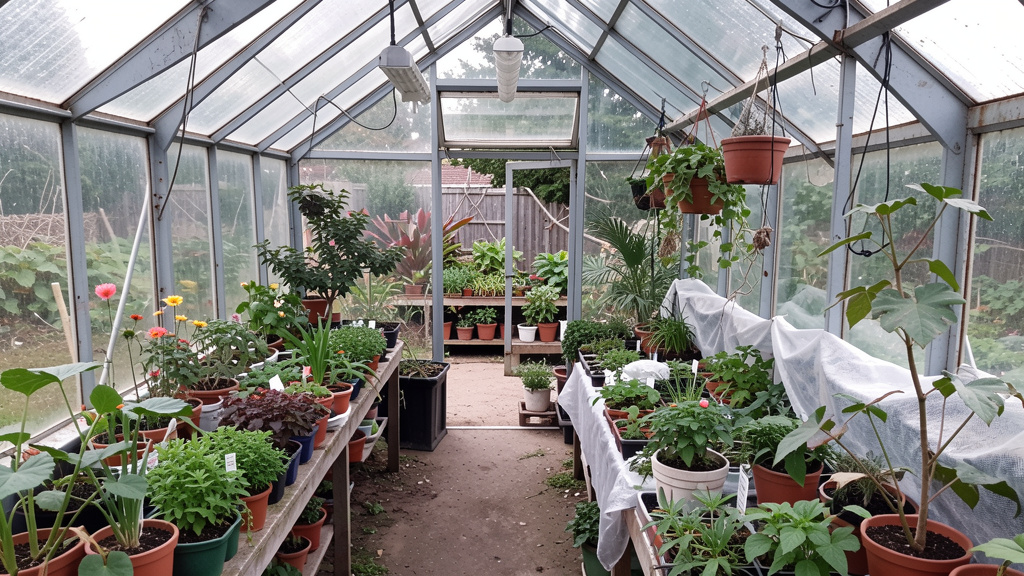
Unlock Extended Harvests with Proven Techniques, Plant-by-Plant Strategies, and Climate-Smart Frameworks for Every Garden
Season extension transforms gardening from a seasonal rhythm into a continuous practice of observation and adaptation. By understanding the interplay between microclimates, plant physiology, and protective structures, home growers can consistently harvest fresh produce long after the first frost and well before the last. This guide synthesizes agricultural research, historical growing wisdom, and modern innovations into an actionable framework designed for every climate and commitment level—without requiring heated greenhouses or specialized equipment. Whether you cultivate a suburban backyard, urban balcony, or rural homestead, these layered strategies create resilient growing systems that honor ecological limits while expanding your harvest horizon thoughtfully and sustainably.
Introduction: Redefining Your Growing Calendar
For generations, gardeners accepted local climate constraints as fixed boundaries. The first autumn frost signaled harvest’s end; the last spring frost marked a hopeful restart. Today, a paradigm shift is underway. Season extension—the deliberate practice of modifying growing conditions to expand a garden’s productive window—is no longer exclusive to commercial operations or resource-intensive hobbyists. It is an accessible, scalable discipline rooted in ecological awareness and practical ingenuity.
Drawing from decades of agricultural extension research and documented practices of century-old market gardens across North America and Europe, this guide reframes season extension not as a battle against nature, but as thoughtful collaboration with it. The goal is not to force tomatoes to fruit in January in Minnesota, but to work intelligently with plant hardiness, microclimate dynamics, and timing to maximize yield, flavor, and garden resilience. Whether your motivation is culinary (fresh salads in December), economic (reducing grocery dependence), educational (teaching plant cycles), or ecological (lowering food miles), these strategies integrate seamlessly into your existing gardening rhythm.
This approach acknowledges a critical truth often overlooked in fragmented online advice: successful season extension rarely relies on a single tool. It is a layered system of complementary practices. A row cover alone may buy two weeks of growth; combined with strategic planting dates, soil thermal mass, and windbreaks, it can extend the season meaningfully. This guide introduces the Layered Defense Framework—a methodology developed through cross-referencing university trial data, grower testimonials, and climate zone adaptations—to help you build a customized, resilient extension plan aligned with your specific landscape, resources, and goals.
The Layered Defense Framework: Your Blueprint for Extended Harvests
Imagine your garden’s growing season as a landscape shaped by sun, wind, cold, and moisture. A single intervention offers limited resilience. But multiple, interlocking layers create adaptable strength. The Layered Defense Framework organizes season extension strategies into three synergistic tiers:
- Passive Layer: Low-input, foundational practices harnessing natural energy (sun, soil heat, topography). These form the bedrock of extension with minimal daily effort.
- Active Layer: Targeted, temporary interventions using simple tools or structures to modify the immediate plant environment during critical transitions.
- Strategic Layer: Forward-looking decisions about plant selection, timing, and garden design that align efforts with seasonal rhythms.
This framework mirrors risk-mitigation approaches recommended by cooperative extension services because it distributes effort and investment wisely. You might rely heavily on Passive Layer techniques in mild climates, while colder regions integrate all three layers. Crucially, each layer reinforces the others. Choosing cold-hardy varieties (Strategic) reduces protection intensity needed from row covers (Active), while south-facing raised beds (Passive) amplify a cold frame’s effectiveness (Active).
The Fundamental Principle: Season extension succeeds not by overpowering environmental limits, but by intelligently redistributing existing resources—solar gain, soil warmth, wind protection—to create micro-refuges where plants thrive beyond their nominal season.
Layer 1: The Passive Foundation – Working With, Not Against, Nature
The Passive Layer requires foresight but minimal ongoing labor. These techniques leverage geography, biology, and physics to create inherent advantages. Implementing even one can extend your season; combining several creates compounding benefits that strengthen your garden ecosystem year after year.
Site Selection and Microclimate Mastery
Every garden contains microclimates—small zones with distinct temperature, humidity, or wind conditions. A south-facing wall absorbs heat by day and radiates it at night. A low spot may collect cold air (“frost pocket”), while a gentle slope promotes drainage and air movement. Identifying these features is the first step in passive extension. Spend time observing your space across seasons. Note where snow melts first in spring, where frost lingers longest in fall, and where puddles form after rain. These observations reveal your garden’s thermal personality.
- South-Facing Slopes and Walls: In the Northern Hemisphere, a garden bed against a south-facing masonry wall (brick, stone, concrete) benefits from thermal mass. The wall absorbs solar radiation and slowly releases heat after sunset, raising nighttime temperatures noticeably. This microclimate supports heat-loving crops like peppers in spring or overwintering hardy greens. Example: A gardener in Zone 6 plants spinach against a south-facing garage wall in late September. The wall’s residual heat helps prevent soil from freezing solid, allowing harvests through late fall and again in early spring. Critical nuance: In hot climates (Zones 8+), this same wall can become a liability in summer; train deciduous vines (like grapes or kiwi) on a trellis 12 inches from the wall to provide summer shade while allowing winter sun penetration.
- Windbreaks: Wind accelerates heat loss from plants and increases moisture evaporation. A living windbreak of dense shrubs (arborvitae, holly, native serviceberry) or a permeable fence (60–70% solid) reduces wind speed without creating damaging turbulence. Place windbreaks on the prevailing winter wind side (often northwest in North America). Critical nuance: Solid barriers like solid wood fences create a vacuum effect on the leeward side, increasing wind speed. Permeability is key—wind should filter through. Common mistake: Planting windbreaks too close to crops, causing competition for water and nutrients. Maintain a distance of at least twice the height of the windbreak. For immediate effect while shrubs establish, install temporary burlap screens on stakes.
- Water Features: Large bodies of water moderate temperature. A pond or series of dark-colored rain barrels placed strategically on the north side of a bed absorb heat by day and release it slowly at night. Documented trials by agricultural extension services indicate beds adjacent to water features can show a measurable increase in minimum temperature on clear, cold nights. Budget adaptation: Group several dark-colored 5-gallon buckets filled with water along the north edge of a cold frame. Safety note: Ensure any water feature is child-safe and complies with local regulations.
Soil as a Thermal Battery
Soil is not just a growing medium; it is a thermal reservoir. Dark, moist soil absorbs and holds heat more effectively than light, dry soil. Preparing your soil for season extension begins months in advance and pays dividends season after season.
- Amending for Heat Retention: Incorporate organic matter like compost or well-rotted manure in the fall. This improves soil structure, water retention (water has high heat capacity), and darkens the soil surface to absorb more solar energy. Avoid excessive tillage in spring, which releases stored heat and moisture. Budget method: Cover bare soil between plants with dark mulch (shredded leaves, straw) in late winter to accelerate warming. Emergency method: On a predicted light frost night, lightly water the soil in the late afternoon. As water freezes, it releases latent heat, providing marginal protection (use sparingly to avoid waterlogging; generally effective only down to light frost levels). Scientific basis: This leverages the “heat of fusion”—energy released during the liquid-to-ice transition.
- Raised Beds: Elevated soil warms faster in spring and drains better, preventing cold, wet roots—a common cause of seedling failure. Construct beds with materials that absorb heat: stone, brick, or dark-colored wood. Real-life example: Community gardens in cooler zones often use 18-inch-high raised beds framed with durable materials. Soil temperature monitoring typically shows these beds reach workable temperatures significantly earlier than in-ground plots. Counter-example: Raised beds in hot climates (Zones 9–10) can overheat in summer; use light-colored materials (cedar, white stone) or shade cloth to mitigate. Pro tip: Line the inside north wall of a raised bed with reflective material (aluminum flashing) to bounce additional light and heat onto plants.
- Cover Cropping for Thermal Regulation: Overwintering cover crops like hairy vetch or crimson clover protect soil from erosion, suppress weeds, and insulate the soil. When terminated in spring, decomposing biomass adds organic matter while the dark residue warms the soil faster than bare ground. In fall, a living cover crop creates a protective “blanket” moderating soil temperature swings. Regional adaptation: In wet climates, cereal rye offers excellent drainage; in dry regions, drought-tolerant buckwheat provides effective summer cover.
Planting Calendar Intelligence
The most powerful passive tool is timing. “Season extension” begins with knowing precisely when to sow for optimal maturity. This requires moving beyond generic seed packet dates to hyperlocal observation.
- Fall Crops: The Reverse Calendar: Many cool-season crops (kale, carrots, radishes) develop enhanced sweetness after light frost. To harvest these in late fall or early winter, calculate backward from your average first fall frost date. Add the “days to maturity” listed on the seed packet, then include a “fall factor” of 10–14 days (cooler temperatures and shorter days slow growth). Example: For a carrot variety maturing in 70 days with a first frost date of October 15th, sow seeds around July 20th (70 days + 14-day fall factor). Common mistake: Sowing fall crops too late, resulting in undersized plants vulnerable to hard freeze. Pro refinement: Track soil temperature—carrots germinate best at 55–75°F (13–24°C); if soil is still hot in July, provide light shade cloth until germination.
- Overwintering Crops: Certain biennials (onions, cabbage) or hardy annuals (spinach, corn salad) can be sown in late summer or early fall, go dormant under snow cover, and resume growth earliest in spring. This requires varieties specifically bred for overwintering (e.g., ‘Winter Density’ lettuce, ‘Giant Winter’ spinach, ‘Lutz’ winter keeper beets). Regional adaptation: In maritime climates (Pacific Northwest, UK), overwintering is highly reliable with minimal protection. In continental climates with little snow cover (Great Plains), apply a light mulch of straw after the ground freezes to prevent damaging freeze-thaw cycles. Critical timing: Sow too early, and plants may bolt prematurely; too late, and root development may be insufficient for winter survival. Consult regional extension resources for precise sowing windows.
- Succession Planting for Seamless Transitions: Design plantings that flow into one another. As spring radishes finish, summer bush beans take their place; as beans decline in late summer, fall kale seedlings are transplanted into the same space. This maximizes soil productivity and creates living mulch that suppresses weeds and moderates soil temperature year-round.
Layer 2: The Active Intervention – Targeted Protection for Critical Periods
When passive strategies reach their limit, the Active Layer provides precise, temporary shields. These tools address specific threats: a late spring frost, an early fall freeze, or a summer heatwave. Mastery lies in knowing when and how to deploy them—and equally important, when to remove them.
Row Covers and Floating Mulches
Lightweight fabrics (polypropylene or polyester) draped over plants or supported by hoops create an insulating air layer. They are versatile, affordable, and allow light and water penetration. Understanding weight-to-protection ratios is essential.
- Types and Uses:
- Lightweight (0.5 oz/yd²): Primarily for insect protection (cabbage moths, squash vine borers) and slight frost mitigation (raises temp 2–4°F / 1–2°C). Ideal for summer crops like squash or protecting seedlings from birds. Allows 85–90% light transmission.
- Mediumweight (0.9–1.25 oz/yd²): The workhorse for frost protection (4–6°F / 2–3°C gain). Use for extending spring/fall seasons on broccoli, lettuce, strawberries, and protecting blossoms on fruiting crops. Allows 70–80% light transmission. University trials have demonstrated that mediumweight covers can significantly support earlier harvests by protecting vulnerable blossoms from late frosts.
- Heavyweight (1.5+ oz/yd²): For severe cold (6–10°F / 3–6°C gain), often used over hoops for winter greens in Zones 5–7. Requires support to prevent crushing plants. Allows 50–60% light transmission; best used for short durations during extreme cold snaps. Critical note: Never leave heavyweight covers on during sunny days above freezing—heat buildup will damage plants.
- Proper Installation: Secure edges tightly with soil, sandbags, or landscape pins to prevent wind intrusion. For maximum heat retention, install before sunset to trap daytime warmth. Critical nuance: On sunny days, even lightweight covers can cause overheating. Monitor temperatures; vent by lifting edges if interior exceeds 85°F (29°C). Common mistake: Leaving covers on too long in spring, causing leggy growth due to reduced light and lack of wind exposure (which strengthens stems). Remove during warm, sunny days for hardening off. Pro tip: Use clothespins to temporarily secure lifted edges for ventilation—quick to deploy and remove.
- Real-Life Scenario: A gardener in Zone 7 covers a bed of young lettuce transplants with mediumweight row cover on a forecasted near-freezing night. The cover is anchored securely. By morning, the microclimate under the cover remains above critical thresholds, saving the crop. The cover is removed by mid-morning as temperatures rise, allowing plants full sun and airflow. Documentation habit: Keep a small garden journal noting cover deployment dates, temperatures, and plant responses—this builds invaluable personal knowledge.
Cold Frames and Hot Beds
A cold frame is a bottomless box with a transparent lid (glass or polycarbonate) angled toward the sun. It functions as a miniature greenhouse, trapping solar heat. A “hot bed” adds a heat source beneath the soil—traditionally fresh manure (which decomposes and generates warmth); modern versions use UL-listed soil-warming cables.
- Construction and Siting: Build frames from rot-resistant wood (cedar, redwood), concrete blocks, or recycled materials. The lid should slope southward (in the Northern Hemisphere) for maximum sun exposure. Place against a south-facing wall for added heat reflection and wind protection. Ensure the lid can be propped open at multiple angles for precise ventilation. Budget build: Repurpose an old window sash (tempered glass preferred for safety) and build a simple wooden frame. Safety note: Use polycarbonate panels instead of glass where children or pets are present—they’re lighter, shatter-resistant, and provide better insulation. Secure lids with hooks or chains to prevent wind damage.
- Using a Cold Frame:
- Hardening Off: Transition seedlings from indoors to outdoors over 7–10 days by placing them in the frame, gradually increasing exposure.
- Season Extension: Start cool-season crops (radishes, spinach, scallions) weeks earlier in spring; protect tender crops (peppers, eggplants) longer in fall. Documented results from university trials indicate cold frames in cooler zones can enable harvests of cold-hardy greens across multiple shoulder seasons.
- Overwintering: Grow cold-hardy greens through winter in milder zones (Zones 6+). In colder zones (Zones 3–5), use as protected space for dormant plants or root vegetable storage (carrots, beets buried in damp sand).
- Ventilation is Non-Negotiable: On a 40°F (4°C) sunny day, temperatures inside a closed cold frame can exceed 100°F (38°C) by noon. Install an automatic vent opener (uses wax expansion—no electricity needed) for reliability, or commit to manual venting. Documented insight: University resources consistently note that unvented cold frames cause more crop loss from heat stress than from cold. Pro tip: Place a max/min thermometer inside. Develop a routine: “If lid is closed at 9 AM on a sunny day, prop open by 10 AM.” In late winter, leave lid fully open on days above 45°F (7°C) to acclimate plants.
Cloches and Individual Protectors
For protecting single plants or small clusters, cloches or modern alternatives offer targeted solutions with minimal material investment.
- Traditional vs. Modern: Glass cloches are elegant but fragile. DIY options include:
- Plastic bottles: Cut the bottom off a 2-liter soda bottle, remove the cap (for ventilation), and place over seedlings. Ideal for tomatoes, peppers, or cucumbers. Pro refinement: Paint the top third white with acrylic paint to reduce heat buildup while maintaining light transmission below.
- Wall-O-Water: A ring of water-filled plastic tubes surrounding a plant. Water absorbs heat by day and releases it at night. Effective for early spring transplant protection but requires setup time and storage space. Critical limitation: Primarily protects against light frost; less effective in severe cold. Best used for high-value individual plants.
- Newspaper collars: Wrap several layers of newspaper around a young plant stem to protect against cutworms and provide slight insulation. Biodegradable and free.
- Milk jugs: Cut the bottom off a gallon milk jug, remove cap, place over seedlings. More durable than soda bottles.
- When to Use: Ideal for high-value individual plants (a prized heirloom tomato), spot-protection in a larger bed, or protecting early-sown seeds in cool soil. Less efficient for large areas but highly adaptable for balcony or container gardens. Pro tip: Keep a bucket of DIY cloches near your seed-starting area for immediate deployment.
Greenhouses and High Tunnels: The Commitment Tier
For serious season extension, permanent or semi-permanent structures provide significant environmental control. High tunnels (hoop houses) are unheated, plastic-covered structures; greenhouses may include heating and ventilation systems. This tier requires greater investment but delivers transformative results.
- High Tunnel Advantages: Cost-effective per square foot for DIY builds, simple ventilation (roll-up sides), excellent for extending shoulder seasons. A single-layer polyethylene cover can raise temperatures substantially above ambient. University studies indicate high tunnels can enable tomato production weeks earlier and later than field production, with reduced disease pressure due to rain exclusion. Critical design element: Orient the ridge east-west to maximize sun exposure on the south-facing slope. Use UV-stabilized polyethylene for longevity.
- Greenhouse Considerations: Heating costs can be significant for home growers. Focus on passive solar design: orientation (ridge running east-west), thermal mass (black water barrels inside), and insulation (bubble wrap on north wall in winter). Critical decision: Will you heat? For most home gardeners, an unheated “cold greenhouse” used for hardy crops (kale, leeks, parsley) or seed starting offers sustainable value. Innovation: “Climate battery” systems (using fans to push warm daytime air through underground pipes) store heat in the soil—complex but highly effective for dedicated growers.
- Ventilation and Humidity Control: Managing humidity is essential to prevent fungal diseases. Install roof vents, side vents, or exhaust fans. Water early in the day so foliage dries quickly. Regional tip: In humid climates (Southeastern US), prioritize airflow over heat retention—use insect netting on vents; in dry climates (Southwest), some humidity retention may benefit certain crops. Pro monitoring: Hang a simple hygrometer inside; aim for balanced humidity during growing hours.
Layer 3: The Strategic Mindset – Plant Intelligence and Garden Design
The Strategic Layer is the cognitive foundation: choosing the right plants for the right time and designing your garden for sequential productivity. This layer requires study but prevents wasted effort and disappointment.
Decoding Plant Cold Hardiness
Not all plants respond equally to cold. Understanding plant physiology is key to matching crops with extension methods. This goes beyond simple “frost tolerant” labels.
- Frost Tolerance Spectrum (with physiological context):
- Hardy (withstand hard freeze): Kale, spinach, collards, Brussels sprouts, leeks, parsley, corn salad (mâche), claytonia. These plants accumulate sugars and specific proteins in cell sap, lowering the freezing point. Cell walls also become more flexible to resist ice crystal damage. Practical implication: Often survive under snow cover or light protection. Harvest after thawing for best texture.
- Semi-Hardy (tolerate light frost): Beets, carrots, cauliflower, celery, lettuce, radishes, Swiss chard, endive, escarole. Experience cellular damage below 28°F (-2°C); protection is essential for survival. Critical nuance: Lettuce varieties vary widely—’Winter Density’ and ‘Rouge d’Hiver’ are notably hardier than butterhead types.
- Tender (killed by frost): Tomatoes, peppers, cucumbers, squash, beans, basil, eggplant. Cell membranes rupture at freezing temperatures. Require active protection for early/late planting; not suitable for winter harvest without heated structures. Exception: Some heirloom tomatoes (like ‘Siberian’) show greater cold tolerance but still require protection below 40°F (4°C).
- The Sweetness Factor: Many cool-season crops convert starches to sugars in response to cold, acting as a natural antifreeze. This is why carrots, parsnips, and kale taste noticeably sweeter after a frost. Practical application: Delay harvest of these crops until after the first light frost for peak flavor. Scientific note: This process, called “cold sweetening,” is most pronounced in root vegetables and brassicas. Parsnips left in the ground over winter (with mulch protection) often develop exceptional sweetness by spring.
- Varietal Selection Matters: Within a crop type, varieties differ significantly in cold tolerance, bolt resistance, and days to maturity. Seek out labels like “winter-hardy,” “bolt-resistant,” or “short-season.” Examples: ‘Winterbor’ kale (curly, extremely cold tolerant), ‘Merlot’ lettuce (deep red, slow to bolt), ‘Nelson’ carrot (smooth, stores well in-ground), ‘Bolero’ carrot (excellent for fall sowing), ‘Red Russian’ kale (flat leaves, tender even after freeze). Resource: Consult seed catalogs from companies specializing in regionally adapted varieties (Johnny’s Selected Seeds, Fedco Seeds, Territorial Seed Company) which provide detailed cold-tolerance guidance.
Succession Planting and Interplanting
Maximize space and extend harvests by planning overlapping plantings. This creates a living ecosystem that supports itself.
- Succession Sowing: Instead of planting all seeds of a fast-maturing crop (like radishes) at once, sow small batches every 10–14 days. This provides continuous harvest and avoids gluts. For season extension, time successions to bridge gaps between seasons. Example: Sow radishes in early spring under row cover; as they mature, interplant with heat-tolerant beans; after beans finish, sow a fall crop of spinach. Advanced technique: “Relay planting”—start the next crop’s seeds in trays while the current crop is still producing, then transplant immediately after harvest.
- Interplanting (Companion Planting for Seasons): Grow crops with complementary seasons and growth habits together. Plant slow-growing, cold-hardy crops (like Brussels sprouts) alongside fast-maturing spring crops (like lettuce or radishes). By the time the Brussels sprouts need space, the lettuce has been harvested. Advanced technique: Adapt the “Three Sisters” concept for seasons: plant corn (summer) with pole beans (summer) and winter squash (which matures in fall and stores well). The squash vines shade soil, suppressing weeds and retaining moisture. Documented insight: University trials have indicated that thoughtfully interplanted gardens can optimize space and resource use effectively.
- Living Mulches for Seasonal Transition: After harvesting early crops (peas, spinach), sow a fast-growing cover crop like buckwheat. It suppresses weeds, adds organic matter when tilled under 4–6 weeks later, and prepares the bed for a fall crop. In late summer, sow crimson clover after harvesting beans—it overwinters, fixes nitrogen, and blooms in spring to attract pollinators before being terminated.
Seed Starting Timelines for Extended Seasons
Starting seeds indoors or in protected environments allows you to get a head start without risking seedlings to harsh conditions.
- Spring Jumpstart: For tomatoes and peppers, start seeds 6–8 weeks before your last frost date. Use grow lights (LED full-spectrum) positioned 2–4 inches above seedlings for 14–16 hours daily to prevent legginess. Critical window: Transplanting too early into cold soil stunts growth and invites disease; use a soil thermometer (wait until soil is consistently warm enough for the crop). Pro technique: “Soil blocking”—forming seedling cubes from compressed potting mix—eliminates transplant shock and plastic waste. Harden off seedlings gradually over 7–10 days: start in shade, increase sun exposure daily, reduce watering slightly to toughen plants.
- Fall and Winter Seed Starting: Many cool-season crops can be direct-sown in late summer for fall harvest. For winter harvests in mild climates, start seeds of cold-hardy greens in late summer in a shaded, protected area (like under a cold frame lid used as shade cloth). Transplant into their winter location in early fall to establish roots before cold sets in. Critical timing: Sow too early in summer heat, and seeds may not germinate (lettuce seeds can go dormant above 80°F/27°C); too late, and plants won’t size up before cold slows growth. Solution: Start seeds indoors under lights or in a cool basement, then transplant seedlings. Documented method: In Zone 7, start ‘Winter Density’ lettuce seeds indoors under lights in early August; transplant into cold frame in mid-September for harvests from late fall through early spring.
Integrating the Layers: Climate-Specific Implementation Scenarios
Theory becomes practice when tailored to your location. Below are detailed scenarios demonstrating Layered Defense integration across diverse climates. Measurements include both imperial and metric. These are adaptable templates—observe and adjust for your microclimate.
Scenario 1: Zone 5 (Midwest/Northeast US, Southern Canada) – The Four-Season Challenge
- Climate Profile: Cold winters (below 0°F / -18°C), distinct seasons, reliable snow cover. Average last spring frost: May 10; first fall frost: October 5. Growing season ~150 days. Key challenge: Maximizing the short season while protecting against unpredictable spring/fall frosts.
- Spring Strategy (Layers in Action):
- Passive: South-facing raised beds (18″ high) amended with compost in fall. Windbreak of arborvitae on northwest side (established previously). Dark compost mulch applied in late March.
- Active: Direct-sow peas and spinach under lightweight row cover on April 1 (soil temp ~40°F / 4°C). Use cold frame (against south wall) to harden off tomato seedlings started indoors March 1. Install mediumweight row cover over transplanted broccoli on May 1 as frost insurance.
- Strategic: Choose short-season tomato varieties (‘Stupice’, ‘Siberian’). Plant cold-tolerant flowers (pansies, calendula) among vegetables to attract early pollinators. Sow radishes every 10 days from mid-April for continuous harvest.
- Fall/Winter Strategy:
- Passive: Sow overwintering onions and garlic in October. Mulch perennial herbs (rosemary, thyme) with straw after ground freezes.
- Active: In early September, cover carrot and beet beds with mediumweight row cover. By late October, move cold-hardy greens (kale, mâche, claytonia) into cold frame. Add a layer of straw mulch inside the frame after hard freeze sets in (late November). On predicted very cold nights, place black water jugs inside frame during day; they radiate heat at night.
- Strategic: Focus winter harvests on proven cold-tolerant crops: ‘Winter Density’ lettuce, ‘Lutz’ winter keeper beets (harvested before deep freeze, stored in sand in cold frame), ‘Russian’ kale. Documented insight: University resources indicate cold frames in Zone 5 can support harvestable greens on suitable days from late fall through early spring. Harvest only on days above freezing; avoid cutting frozen leaves.
- Friction Point Addressed: “My cold frame gets too hot on sunny winter days.” Solution: Install an automatic vent opener. Develop a routine: Check frame at 9 AM on sunny days; if temperature inside exceeds 45°F (7°C), prop lid open. On cloudy days below freezing, keep lid closed. Place a max/min thermometer inside for data tracking.
Scenario 2: Zone 8 (Pacific Northwest, UK Maritime) – The Mild Winter Advantage
- Climate Profile: Mild, wet winters (rarely below 15°F / -9°C), cool summers, high humidity. Average last spring frost: March 15; first fall frost: November 15. Growing season year-round but slowed December–February. Key challenge: Managing excess moisture and limited winter sun; preventing bolting in cool-season crops during shoulder seasons.
- Winter Strategy:
- Passive: Maximize sun exposure—remove low branches from south-side trees in fall. Plant beds on gentle south-facing slope for drainage. Use dark gravel paths to absorb and reflect limited winter sun.
- Active: Lightweight row cover is often sufficient for frost protection. Use primarily for rain protection on cold frames—prop lids slightly ajar on rainy days to reduce humidity. Install mediumweight cover only during rare hard freeze warnings.
- Strategic: This is the prime zone for overwintering. Sow ‘Winterbor’ kale, ‘Giant Winter’ spinach, corn salad, and claytonia in August. Harvest through winter. Plant garlic in October for June harvest. Grow overwintering cauliflower (‘Purple Cape’) for spring harvest. Pro tip: In December–January, harvest only every other plant to allow remaining plants more light and space for regrowth.
- Summer Strategy (Heat Extension): Season extension isn’t just about cold! In cool-summer climates, use techniques to warm the soil for heat-loving crops.
- Passive: Black plastic mulch on south-facing beds to heat soil for tomatoes and peppers. Install permanent trellises on south wall for heat-loving crops (tomatoes, cucumbers) to maximize sun exposure and air circulation.
- Active: Use clear plastic low tunnels in April–May to create a mini-greenhouse effect for melons or sweet potatoes. Remove tunnels once nighttime temps stay reliably above 50°F (10°C). Deploy 30% shade cloth over lettuce and spinach in June to prevent bolting.
- Strategic: Select varieties bred for cool summers (‘Oregon Spring’ tomato, ‘Legend’ tomato—sets fruit at lower temps, ‘Sugar Baby’ watermelon). Plant heat-loving crops against south wall; place cool-season crops (lettuce, peas) on north side of garden or under partial shade of taller plants.
- Friction Point Addressed: “My winter crops rot from too much rain.” Solution: Plant exclusively in raised beds (12″+ height) for drainage. Use row covers with open sides for ventilation, or employ cold frames with lids left slightly ajar on rainy days. Apply compost tea periodically to support plant resilience. Remove lower leaves of kale and cabbage to improve airflow at soil level.
Scenario 3: Zone 10 (Southern California, Florida, Mediterranean) – The Heat and Humidity Hurdle
- Climate Profile: Frost-free or rare light frost, intense summer heat (100°F+/38°C+), potential drought, high humidity (Florida) or aridity (California). “Season extension” focuses on enabling cool-season crops October–April and mitigating summer extremes. Key challenge: Preventing bolting in cool crops; managing heat stress and water use in summer.
- Cool-Season Strategy (Oct–Mar):
- Passive: Plant in areas with afternoon shade (east-facing slopes, under deciduous trees that lose leaves in winter). Use light-colored mulch (straw, pine needles) to reflect heat and keep soil cooler for cool-season crops.
- Active: Row covers rarely needed for cold but essential for pest exclusion (cabbage loopers, aphids). Use 50% shade cloth over lettuce, spinach, and broccoli from February onward to delay bolting as days lengthen and warm. Install drip irrigation with timers for consistent moisture—stress from drought accelerates bolting.
- Strategic: This is prime time for “cool-season” crops that fail in summer. Grow broccoli, cauliflower, carrots, peas, and fava beans. Sow heat-tolerant varieties of lettuce (‘Jericho’, ‘Coastal Star’) and spinach (‘Corvair’). Plant garlic in October for May harvest. Pro timing: Sow carrots every 3 weeks from October through February for continuous harvest.
- Summer Strategy (Apr–Sep):
- Passive: Install permanent shade structures (pergolas with deciduous vines like passionflower) over garden beds. Use drip irrigation with moisture sensors to conserve water. Plant heat-adapted crops in blocks to create mutual shade.
- Active: Deploy 50–70% shade cloth over heat-sensitive crops. Use thick organic mulch (4–6 inches of straw) to retain soil moisture and keep roots cool. Innovation: “Evaporative cooling” – place shallow trays of water near plants; as water evaporates, it cools the air slightly (most effective in dry climates). For container gardens, place pots inside larger pots filled with moist sand.
- Strategic: Shift entirely to heat-adapted crops: sweet potatoes, okra, southern peas (cowpeas), Malabar spinach (a vine), yardlong beans, roselle. Use summer downtime for soil solarization (covering moist soil with clear plastic for 4–6 weeks to suppress pathogens/weed seeds) or cover cropping with buckwheat or cowpeas to add nitrogen and organic matter.
- Friction Point Addressed: “My lettuce bolts instantly in spring.” Solution: Choose bolt-resistant varieties explicitly bred for heat (‘Nevada’, ‘Salad Bowl’). Plant in partial shade (east side of fence or taller plants). Use shade cloth from transplanting onward. Harvest outer leaves continuously to delay flowering. Sow successions every 10 days from October through February for continuous harvest; accept that lettuce production typically pauses during peak summer heat. Alternative: Grow New Zealand spinach or Malabar spinach as heat-tolerant summer greens—they thrive where true spinach struggles.
Navigating Common Frictions and Failures: Lessons from Documented Practice
Even with a solid framework, challenges arise. Addressing these builds resilience and deepens understanding. These insights draw from documented grower experiences and extension service resources.
The Ventilation Dilemma: Heat vs. Cold
The most frequent challenge in active protection is inadequate ventilation. A cold frame or tunnel that saves plants from frost can damage them on a sunny 40°F (4°C) day. This is physics: solar radiation penetrates transparent covers, heats surfaces inside, and that heat is trapped without airflow.
- Prevention Protocol:
- Monitor Relentlessly: Place a max/min thermometer inside any enclosed structure. Check it daily during shoulder seasons. Know your thresholds: vent when interior reaches 75°F (24°C) for cool crops, 85°F (29°C) for warm crops.
- Automate Reliably: Invest in automatic vent openers for cold frames and high tunnels. They use a wax cylinder that expands with heat to push the lid open—no electricity, no batteries. Cost: $25–$60. This tool consistently prevents heat-related crop loss in protected culture. University resources note that automated venting significantly reduces heat-stress issues compared to manual methods in settings where routines may be inconsistent.
- Manual Routine: If automating isn’t feasible, make venting non-negotiable. Tie a bright ribbon to your garden gate as a visual reminder. Vent by 9 AM on sunny days. Prop lids open with notched sticks at multiple angles (¼ open, ½ open, fully open) for precise control.
- When Challenges Occur: If plants show heat stress (wilting not relieved by watering, bleached leaves), immediately shade the structure with a light cloth and increase ventilation. Water lightly at the base if soil is dry—avoid wetting stressed foliage. Most plants recover if addressed promptly. Document the incident: date, outside temp, time of day, actions taken. This builds your personal knowledge base.
Moisture Management Under Cover
Enclosed environments trap humidity, creating conditions favorable for fungal issues like powdery mildew or botrytis. High humidity combined with poor airflow is the primary contributor.
- Prevention:
- Water Wisely: Use drip irrigation or soaker hoses to deliver water directly to soil, keeping foliage dry. Water early in the day so any splashed moisture evaporates quickly. Avoid overhead watering under covers.
- Space for Airflow: Thin seedlings and prune lower leaves to ensure air circulates around all plant surfaces. Follow seed packet spacing recommendations—crowding is a major disease trigger.
- Ventilate Strategically: Ventilate during the warmest, sunniest part of the day, especially after watering or rain. In high-humidity climates, leave vents slightly open even on cool days to promote air exchange.
- Organic Approaches at First Sign:
- Powdery Mildew: Spray with a solution of 1 tablespoon baking soda, 1 teaspoon horticultural oil (or neem oil), and 1 gallon (3.8 L) water. Apply in early morning or late evening. Remove severely affected leaves and dispose of them (do not compost).
- Preventative Spray: Weekly application of aerated compost tea supports beneficial microbes on leaf surfaces. Recipe: Steep 1 cup mature compost in 1 gallon water for 24 hours; strain and spray foliage until runoff.
- Cultural Fix: Place small battery-operated fans inside larger structures on low setting to gently move air—mimics natural breeze that dries foliage.
Pest Pressures in Protected Environments
Row covers exclude pests but can also trap existing pests inside. Structures may also create sheltered habitats for slugs, rodents, or overwintering insects.
- Integrated Approach:
- Pre-Cover Inspection: Before installing row covers or closing cold frames, inspect every plant thoroughly for aphids, caterpillars, or eggs. Remove by hand or spray with a strong jet of water. For aphids, a spray of mild liquid soap solution is effective.
- Beneficial Insects: If using covers long-term, introduce beneficials like ladybugs (for aphids) or lacewings. Release them inside the covered area at dusk. Ensure covers are sealed to keep them contained. Note: Beneficials require flowering plants for nectar; include alyssum or calendula within the covered area.
- Slug and Snail Defense: Copper tape around cold frame bases deters slugs. Beer traps (shallow containers sunk to soil level, filled halfway with beer) attract and drown slugs. Diatomaceous earth (food-grade) sprinkled around plants deters slugs when dry—but reapply after rain or watering. Critical: Remove hiding spots—clear debris, boards, or dense mulch near structures.
- Regional Note: In humid climates, monitor closely for spider mites. Signs: fine webbing, stippled leaves. Increase humidity by misting pathways lightly in the morning. Introduce predatory mites as a biological control. In dry climates, watch for thrips; blue sticky traps help monitor populations.
Budget Constraints: Scaling Strategies Without Breaking the Bank
Season extension need not be expensive. Prioritize investments based on impact per dollar. Many effective techniques cost nothing but observation and planning.
- Tiered Investment Approach:
- $0–$20 (Immediate Impact): DIY cloches from plastic bottles or milk jugs. Repurpose old windows for cold frames (check Freecycle, Craigslist, Habitat for Humanity ReStores). Use fallen leaves as free mulch for insulation. Start with strategic planting dates and microclimate utilization—this costs only time. Pro tip: Save clear plastic containers from bakery items to use as mini-greenhouses for seed starting.
- $20–$100 (Significant Extension): Purchase a roll of mediumweight row cover and wire hoops. Build a simple cold frame from scrap lumber and an old window. Buy one automatic vent opener for your most-used cold frame. This tier delivers strong return on investment for most home gardeners.
- $100–$500 (Major Commitment): Invest in a pre-fabricated cold frame kit or small greenhouse kit. Purchase shade cloth for summer extension. Install a basic drip irrigation system for water efficiency and consistent moisture—critical for season extension success.
- Community Resources: Check with local gardening clubs, Master Gardener programs, or tool libraries for shared equipment. Many Cooperative Extension offices offer low-cost workshops on building cold frames or season extension planning. Attend plant swaps to acquire regionally adapted varieties. Documented success: Community garden networks have established “tool libraries” where members borrow season extension materials seasonally—reducing individual costs significantly.
When to Accept Limits: The Wisdom of Rest
Not every season can—or should—be extended indefinitely. Pushing too hard leads to burnout, soil depletion, and disappointment. True gardening wisdom includes knowing when to pause.
- Signs to Pause:
- Repeated crop challenges despite correct techniques (may indicate unsuitable microclimate—e.g., a true frost pocket).
- Physical or mental fatigue from constant monitoring (“gardener burnout”).
- Soil shows signs of exhaustion (compaction, reduced earthworm activity).
- Energy or financial investment outweighs the value of the harvest.
- Embrace the Fallow Period: Use the off-season for garden maintenance: repair tools, clean and store covers, build compost bins, plan next year’s layout. In very cold climates, apply a thick layer (6–8 inches) of straw or leaf mulch over empty beds to protect soil biology over winter. This rest period is not failure; it is essential stewardship. Philosophical note: Observing the garden’s natural rhythm—dormancy, decay, renewal—deepens our connection to ecological cycles. A rested gardener returns with renewed creativity and energy.
Your Questions, Answered
Q: How do I know my exact last frost date? It seems to vary year to year.
A: Frost dates are statistical averages (e.g., “last frost date of May 10th” means there’s a 50% chance of frost after that date). For precision: 1) Consult your local Cooperative Extension Service website—they provide hyperlocal frost date maps and planting guides based on regional weather data. 2) Use the USDA Plant Hardiness Zone Map as a starting point, but remember it reflects average annual minimum temperature, not frost dates. 3) Supplement with personal observation: Keep a garden journal for multiple years noting actual first/last frost dates, snow melt patterns, and plant responses. This builds irreplaceable microclimate knowledge. Always have row cover ready for unexpected late frosts—weather patterns can be variable.
Q: Can I use plastic sheeting instead of row cover fabric?
A: Clear plastic sheeting creates a stronger greenhouse effect but carries significant risks. It traps heat rapidly (requiring constant venting), does not allow moisture exchange (leading to condensation buildup and disease), excludes rain, and can scorch plants touching it. Use plastic only for very short-term protection (e.g., covering a cold frame lid on a single predicted frost night) and remove it immediately after the threat passes. For any extended coverage (more than 24 hours), breathable row cover fabric is vastly superior for plant health. Black plastic mulch is excellent for soil warming in spring but should never touch plant foliage. Critical safety note: Never use plastic sheeting directly over plants without support hoops—it can trap heat and damage plants within hours on a sunny day.
Q: My spinach bolted (went to seed) early in the spring. How can I prevent this?
A: Bolting is triggered by lengthening days, warming temperatures, and moisture stress. To delay it: 1) Choose “slow-bolt” or “winter” varieties specifically bred for spring planting (e.g., ‘Space’, ‘Corvair’, ‘Acadia’). 2) Plant in partial shade or use 30% shade cloth to keep soil and air temperatures cooler. 3) Maintain consistent soil moisture—install drip irrigation or water deeply every 2–3 days; drought stress is a major bolting trigger. 4) Harvest outer leaves regularly to signal the plant to continue vegetative growth. 5) For reliable spring spinach, sow in late summer (August) for a fall crop that overwinters under mulch or row cover, providing harvests in early spring before bolting occurs. This “overwintered spinach” is often more vigorous and bolt-resistant than spring-sown crops.
Q: Is season extension worth the effort for a small balcony or container garden?
A: Absolutely—and containers offer unique advantages for season extension. Pots can be moved: place them against a sunny south wall in cool weather, or shift them into shade during heatwaves. Use insulating materials (bubble wrap wrapped around pots, or place pots inside larger decorative pots with insulating material in between) to protect roots from freezing in winter. Choose compact, cold-hardy varieties (dwarf kale ‘Red Russian’, ‘Parisian’ carrots, ‘Piranto’ bush beans). A single cold frame on a balcony can extend the season for herbs and salad greens significantly. Pro balcony strategy: Group containers together on cold nights—the mass of soil and plants creates a slightly warmer microclimate. Use self-watering containers to maintain consistent moisture, critical for stress prevention. Even a windowsill with a south exposure can grow microgreens year-round with minimal effort.
Q: How does season extension impact pollination?
A: Enclosed structures (cold frames, tunnels) can limit access for bees and other pollinators. For insect-pollinated crops (cucumbers, squash, melons, berries), hand-pollinate using a small artist’s brush or cotton swab to transfer pollen from male flowers (straight stem behind flower) to female flowers (small fruit behind flower). Alternatively, open vents or roll up sides during flowering on warm, sunny days (above 60°F/15°C) when pollinators are active. For self-pollinating crops (tomatoes, peppers, beans, peas), gently shake flowering branches daily to distribute pollen—this is especially important in still air under covers. In cooler temperatures, pollination may be less efficient; select parthenocarpic varieties (set fruit without pollination) like certain cucumbers (‘Diva’, ‘Sweet Success’). Note: Many leafy greens (kale, lettuce, spinach) and root crops (carrots, beets) grown for season extension are harvested before flowering, so pollination isn’t a concern.
Q: Can I extend the season for fruit trees or berries?
A: Yes, with targeted methods. For strawberries, use row covers in spring to encourage early flowering and protect blossoms from late frosts; in fall, covers can prolong the harvest of everbearing varieties. For fig trees in marginal zones (Zones 6–7), wrap the trunk and lower branches with burlap stuffed with dry leaves before winter, and construct a temporary shelter for extreme cold snaps. Blueberries benefit from windbreaks and a thick mulch of pine needles to protect shallow roots from freeze-thaw cycles. Raspberries: After fall harvest, bend canes gently to the ground and cover with straw mulch in very cold zones to protect fruiting buds. Critical note: Large fruit trees are generally not covered entirely, but microclimate selection is a passive extension strategy—plant on south-facing slopes, near heat-radiating walls, or in protected valleys. Documented insight: University trials have demonstrated that row covers on lowbush blueberries can advance harvest timing and support yield by protecting early blooms.
Q: What are the most common mistakes beginners make with season extension?
A: Three critical challenges stand out in grower surveys and extension consultations: 1) Overlooking ventilation, leading to heat damage under covers—a preventable issue that frustrates new gardeners. 2) Planting at the wrong time—sowing fall crops too late (resulting in undersized plants) or spring crops too early without adequate protection. 3) Ignoring microclimates, placing cold-sensitive plants in frost pockets or heat-sensitive plants in scorching south-wall locations. Beginner prescription: Start small. Master one technique (like row covers) on one reliable crop (spinach or radishes) before expanding. Keep detailed notes: “Planted X on Y date under Z cover; harvested on A date; weather notes.” This builds confidence and personalized knowledge faster than trying to implement everything at once.
Q: How do I store and maintain season extension tools?
A: Proper care extends tool life significantly and ensures readiness. Row covers: Shake off debris, air dry completely (never store damp), fold loosely, and store in a dry plastic bin away from rodents. Repair small tears with clear packing tape. Cold frame lids: Clean glass or polycarbonate with mild soap and water; store wooden frames under cover to prevent rot. Check hinges and latches annually; lubricate with food-safe oil. Hoops and supports: Straighten bent wire hoops; bundle with twine. Store metal components dry to prevent rust. Annual preseason check: In late winter, inspect all items for damage. Test automatic vent openers with warm water to ensure they function. An hour of maintenance prevents mid-season failures. Pro tip: Label storage bins clearly (“Row Cover – Mediumweight,” “Cold Frame Parts”) for quick access.
Q: Does season extension work in the Southern Hemisphere?
A: The principles are universal, but timing and sun orientation reverse. In the Southern Hemisphere, north-facing slopes and walls capture the most sun. “Last frost” dates occur in September–October (spring), and “first frost” in March–May (autumn). Adjust planting calendars accordingly—when Northern Hemisphere resources say “plant in March,” Southern Hemisphere gardeners plant in September. Many seed packets and online resources use Northern Hemisphere dates; seek region-specific guides from local agricultural departments (e.g., Australia’s Department of Primary Industries, New Zealand’s Garden Organic, South Africa’s Department of Agriculture). The Layered Defense Framework applies identically—focus on your local climate patterns, frost dates, and sun path. Critical adaptation: In regions with intense UV radiation (Australia, New Zealand), use UV-stabilized row covers and shade cloth rated for high UV exposure to prevent rapid degradation.
Q: Are there organic-certified materials for season extension?
A: Yes. Row covers made from polypropylene are inert polymers and are generally permitted in organic production under standards like the USDA National Organic Program (verify with your certifier for specific brand approval). Natural fiber alternatives exist but are less durable: burlap can be used for temporary windbreaks or wrapping trunks, but it degrades quickly when wet. For mulches, use certified organic straw, leaf mold, or compost. Avoid pressure-treated lumber for building cold frames if organic certification is a goal; use naturally rot-resistant woods (cedar, redwood) or recycled plastic lumber certified for organic use. Always verify material specifications with organic standards relevant to your region—requirements vary slightly by country. Resource: The Organic Materials Review Institute (OMRI) maintains a searchable database of approved products.
Q: How do I protect plants during unexpected extreme weather events (unseasonable freeze, heatwave)?
A: Preparedness is key. For sudden freeze warnings: Have row cover, old blankets, or cardboard boxes ready to deploy quickly. Water soil thoroughly in late afternoon (moist soil holds more heat). For container plants, move them against a south wall or into a garage. For sudden heatwaves: Deploy shade cloth immediately. Water deeply in early morning. For container plants, move to shade. Place trays of water near plants for evaporative cooling. Long-term: Monitor weather apps with alerts. Build redundancy—have multiple layers of protection available. Document responses to extreme events in your garden journal to refine future reactions. Critical mindset: Accept that some losses may occur during unprecedented events; focus on protecting your soil and perennial plants, which form the foundation for next season’s success.
Q: Can season extension techniques be used for cut flowers or herbs?
A: Absolutely—and many flower and herb growers rely heavily on these methods. For cut flowers: Use row covers to protect early spring bulbs (tulips, anemones) or extend the fall harvest of zinnias and celosia. Cold frames allow starting hardy annuals (poppies, larkspur) weeks earlier. For herbs: Parsley, cilantro, and chives thrive under row cover in fall and spring. Rosemary and thyme benefit from windbreaks and south-wall placement in cold zones. Basil (tender) can be protected with cloches for earlier spring planting. Pro flower tip: Succession sow zinnias every 2 weeks under row cover from last frost date through midsummer for continuous blooms. Herb-specific: Mint and lemon balm are vigorous but excellent for overwintering in containers placed in a cold frame—they provide fresh flavor all winter and can be divided in spring.
Conclusion and Your Next Step
Season extension is more than a collection of techniques; it is a mindset of attentive partnership with your garden’s ecosystem. By layering passive wisdom, active intervention, and strategic foresight, you transform climatic constraints into opportunities for creativity and abundance. The journey reveals profound insights: the resilience of a kale leaf dusted with snow, the sweetness of a carrot harvested after frost, the quiet satisfaction of snipping fresh herbs in December. This practice cultivates patience, observation, and deep ecological literacy—skills that extend far beyond the garden gate.
Recap: The Three Pillars of Success
- Start with Observation: Map your garden’s microclimates, track frost dates, and understand your soil. Knowledge is the most powerful, zero-cost tool. Spend time watching where sun falls, wind blows, and frost settles.
- Layer Defenses: Combine site selection, soil management, protective tools, and smart planting. Redundancy ensures resilience—a windbreak plus row cover plus cold-hardy variety creates multiple safety nets.
- Match Methods to Plants and Place: Respect each crop’s physiology and your local climate. Work with hardy varieties for winter, heat-tolerant ones for summer. A technique that works in Maine may need adaptation in Arizona—and that’s okay.
The 24-Hour Rule: One Tiny Action
Within the next day, take one concrete, manageable step. If it’s late winter, order seeds for one cold-hardy green (like ‘Winter Density’ lettuce or ‘Red Russian’ kale). If it’s summer, sketch a simple map of your garden noting sun patterns and potential windbreak locations. If you have five minutes right now, walk to your garden (or balcony) at dawn tomorrow to observe where frost forms or where sun hits first. Action, however small, builds momentum and transforms knowledge into experience. Do not wait for “perfect” conditions—start where you are, with what you have.
The Big Picture: Cultivating Resilience
As climate patterns evolve and growing seasons become less predictable, the skills of season extension grow increasingly vital. They empower gardeners to adapt with grace, to produce food with greater security and reduced environmental impact, and to deepen their connection to the natural rhythms of the earth. This practice is a quiet act of stewardship—a commitment to nurturing life through all seasons. Your extended garden becomes more than a source of food; it is a living classroom, a sanctuary of beauty, and a testament to the power of working with nature. In extending your season, you cultivate not just plants, but patience, ingenuity, and hope. The harvest you reap is measured not only in baskets of produce, but in wisdom gathered and shared across generations.
Explore Our Complete System:
[The Ultimate Guide to Cold Frames: Build, Plant, and Harvest Year-Round] | [Soil Temperature Mastery: When to Plant for Perfect Germination] | [Microclimate Mapping: Find Hidden Growing Zones in Your Yard] | [Succession Planting Calculator: Never Have a Gap in Your Harvest] | [Budget-Friendly DIY Garden Structures: From Cloches to Hoop Houses] | [Regional Season Extension Calendars: Custom Planting Dates for Every Zone] | [Troubleshooting Common Garden Pests and Diseases Organically]