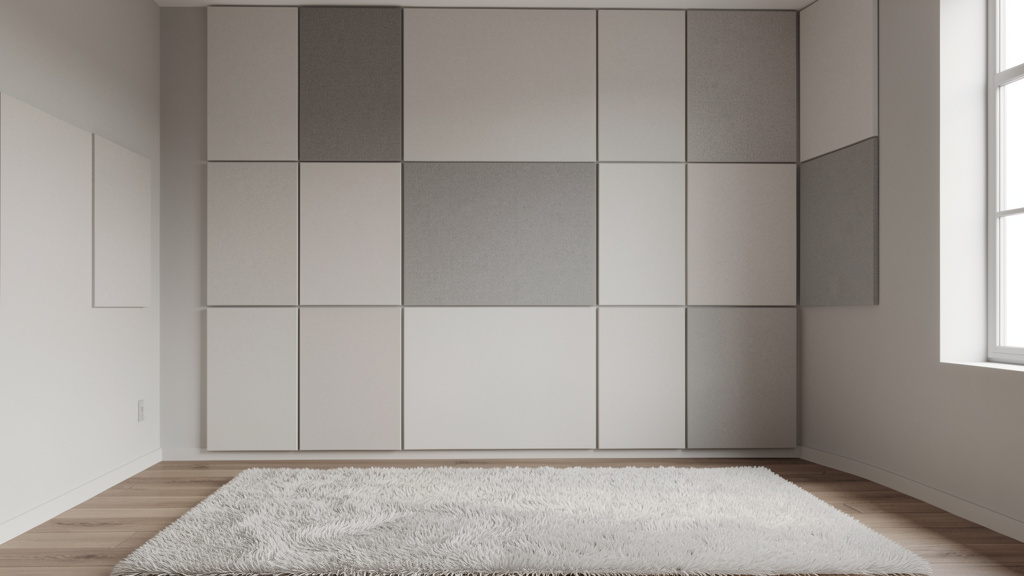
Transform your living space into a sanctuary of calm with adaptable strategies, mindful habits, and evidence-informed modifications that support your nervous system and protect mental well-being from auditory stress.
In an era of constant notifications, urban density, and open-concept living, unwanted noise can quietly erode psychological resilience. Your home—intended as a refuge—may unintentionally amplify stress when auditory boundaries blur. This guide thoughtfully integrates principles from environmental psychology, acoustic science, and sensory-aware design to offer compassionate, actionable pathways toward greater auditory comfort. You’ll discover how intentional modifications, behavioral refinements, and personalized environmental choices can work together to support restful sleep, sustained focus, and emotional equilibrium—without requiring major renovations or compromising your living situation.
Introduction
Research increasingly recognizes the connection between environmental sound and mental well-being. The World Health Organization has identified environmental noise as a significant public health consideration in urban settings, with associations noted in studies regarding sleep disturbance, heightened stress responses, and impacts on cognitive function. Yet many noise-management resources focus narrowly on decibel reduction through construction, overlooking the deeply personal experience of sound. A faint dripping faucet at 3 a.m. may register quietly on a meter, but its irregular pattern can disrupt rest due to timing and context. Conversely, the steady rhythm of rainfall at a higher volume may feel soothing. This guide reframes noise awareness not as an engineering problem alone, but as a holistic practice of cultivating an auditory environment aligned with your nervous system’s need for safety, predictability, and restoration. Whether you live in a city apartment, a shared home, or near active outdoor spaces, the approaches shared here adapt to real-world constraints. True sanctuary emerges when physical adjustments harmonize with mindful awareness—a synergy we’ll explore with care and practicality.
The Sanctuary Framework: Three Pillars of Auditory Peace
Sustainable progress in managing environmental sound moves beyond temporary fixes. Solutions like earplugs may offer momentary relief but rarely address the underlying sense of helplessness that noise can trigger. Drawing from established concepts in environmental psychology and acoustic design, we introduce the Sanctuary Framework—a three-pillar approach designed to foster greater agency, predictability, and sensory alignment. This framework does not pursue absolute silence (often neither achievable nor desirable) but instead supports curating an auditory landscape where disruptive sounds lose emotional intensity, and calming sounds gain presence. Each pillar reinforces the others: awareness informs action, action builds confidence, and mindful adaptation deepens your relationship with your space. Engaging with even one pillar can bring noticeable relief; weaving all three creates compounding benefits for calm, focus, and rest.
Pillar 1: Identify and Assess – Mapping Your Personal Noise Landscape
Before making any changes, dedicate gentle attention to understanding your unique sound environment. Noise perception is deeply individual—what feels intrusive to one person may go unnoticed by another. This reflective phase builds self-awareness and directs effort toward what truly matters for your well-being.
Why this step matters: Without clarity, solutions may miss the mark. Sealing windows won’t resolve stress caused by internal appliance hum. More importantly, the simple act of observing and documenting restores a sense of agency. Research in environmental psychology suggests that perceived control over stressors—even through mindful tracking—can support reduced physiological tension. You shift from feeling overwhelmed by sound to becoming a thoughtful curator of your surroundings.
How to conduct a compassionate noise audit:
Use a notebook or digital note. Over two to three days, gently note sounds that trigger irritation, distraction, or unease. For each, consider:
– Time of day: Early morning traffic? Evening neighbor activity? Nighttime HVAC cycling?
– Source category: External (street, aircraft), internal (appliances, plumbing), human (household, neighbors)
– Sound qualities: Pitch (high/low), pattern (steady, intermittent, unpredictable), duration
– Your response: Physical sensation (“tight shoulders”), emotional shift (“frustration,” “anxiety”), impact (“lost focus for minutes”)
– Context: Were you resting? Working? Transitioning between tasks?
Example entry:
7:10 AM | External | Garbage collection | Low grinding, intermittent | Felt tension in jaw, disrupted wind-down after night shift | Trying to rest before morning
After gathering notes, review patterns without judgment:
– High-impact moments: Sounds coinciding with vulnerable states (sleep onset, deep work)
– Predictability factor: Random noises (barking, slamming doors) often feel more disruptive than consistent background hum
– Temporal sensitivity: Noise during rest hours typically carries greater emotional weight than identical sounds during active daytime hours
Common pitfalls to navigate:
– Assuming volume equals impact: A subtle ticking clock may disturb rest more than louder, predictable rain.
– Overlooking internal sources: Refrigerator compressors, HVAC fans, or electronics create low-grade auditory stress many normalize.
– Ignoring timing: Sound during sleep transitions affects well-being more profoundly than daytime equivalents.
Gentle note for neurodivergent readers: If sensory processing differences make broad audits overwhelming, start small—one room, one hour, or one sound type. Note specific physical sensations (“pressure,” “tingling”) alongside emotional responses. This detailed awareness is valuable data. Your experience is valid. Progress, not perfection, is the goal.
Pillar 2: Modify and Mitigate – Thoughtful Environmental Adjustments
With awareness gathered, implement physical adjustments aligned with your highest-impact observations. This pillar follows two complementary paths: blocking sound transmission where possible, and absorbing sound reflections within your space. Solutions are grouped by accessibility—rental-friendly, moderate investment, and structural—so you can move at your own pace and within your constraints.
Windows: Addressing a Common Entry Point
Windows often allow significant sound transmission due to thin glass and air gaps. Targeted attention here frequently yields meaningful perceptual shifts for those near streets or active areas.
Rental-friendly approaches (reversible, generally under $150):
– Heavy curtains: Choose thick, multi-layered curtains (thermal or velvet) with fabric extending beyond the window frame and pooling slightly on the floor. Mass and coverage help disrupt sound waves. Many users report noticeably softened street noise with quality curtains.
– Temporary window inserts: A removable panel made of rigid foam board (covered in fabric for aesthetics) can be stored when not needed—ideal for nighttime use in bedrooms. Adding adhesive weatherstripping around the edge improves the seal.
– Draft stoppers: A dense fabric tube filled with rice or sand placed along the bottom sill helps block air—and sound—leakage, especially for low-frequency rumbles.
Moderate investment ($150–$800):
– Secondary glazing: Interior acrylic or glass panels mounted a few inches from the existing window create an air gap that dampens transmission. Custom-fit options (like Indow inserts) require no permanent modification and are often landlord-approved. Many users describe transformed quiet in previously noisy rooms.
– Acoustic window film: Adds slight mass to glass, offering modest reduction for higher-frequency sounds. Best paired with heavy curtains.
Structural considerations ($800+):
– Window replacement: If feasible, specify laminated glass (with a PVB interlayer) and frames rated for higher Sound Transmission Class (STC) values. Note: professional installation is critical—gaps around the frame can undermine performance. Consult specialists experienced in acoustic upgrades.
Illustrative scenario: A remote worker in a busy urban apartment combined removable secondary glazing with floor-to-ceiling heavy curtains. Previously disruptive midday traffic became a distant backdrop, supporting greater focus during client sessions. The solution was fully reversible upon moving.
Walls and Doors: Reducing Sound Transfer
Sound follows the path of least resistance. Even well-treated windows can be undermined by gaps around doors or thin shared walls.
Doors:
– Rental-friendly: Adhesive door sweeps and frame weatherstripping compress against thresholds to block gaps. For hollow-core doors, hanging a thick quilted blanket or acoustic curtain during rest or focus times adds temporary mass.
– Moderate: Replacing hollow-core interior doors with solid-core alternatives improves sound isolation. Automatic door bottoms provide a tighter seal when closed.
– Structural: For persistent issues on shared walls, adding resilient channels, extra drywall layers, or damping compounds (like Green Glue) requires professional assessment. Improper installation may worsen resonance—consult an acoustic specialist first.
Walls:
– Rental-friendly: Position bookshelves filled with books against shared walls. Books’ varied densities help scatter sound. Hang thick tapestries, fabric wall hangings, or upholstered panels. Place large soft furniture (sofas, armchairs) strategically.
– Moderate: Freestanding acoustic panels or room dividers absorb mid-to-high frequencies. Position them where sound reflects toward seating or rest areas.
– Key insight: Low-frequency sounds (bass, distant traffic) require mass and density. Bookshelves with dense contents often outperform thin foam panels for these ranges.
Floors and Ceilings: Softening Impact and Reflection
Hard surfaces amplify sound through reflection and vibration—especially relevant for multi-level living.
Rental-friendly:
– Area rugs with dense pads: Wool or thick synthetic rugs paired with rubber or felt underlays absorb footfall noise and reduce room echo. Place in high-traffic zones and under vibrating furniture.
– Felt pads: Apply to chair/table legs to eliminate scraping sounds.
– Ceiling clouds (if permitted): Lightweight suspended panels can absorb overhead reflections. Confirm lease terms before installation.
Moderate investment:
– Temporary flooring layers: Interlocking cork tiles can be laid over existing floors without adhesives.
– Acoustic ceiling tiles: In spaces with drop ceilings (basements, offices), high-absorption tiles improve acoustic comfort.
Behavioral synergy: Pair physical changes with gentle household practices. Keep soft slippers by the bedroom for nighttime movement. Use felt coasters under glasses. These small rituals complement environmental adjustments.
Appliances and Internal Sources: Quieting the Background Hum
Your audit may reveal internal contributors: refrigerator compressors, HVAC systems, computer fans. These constant low-level sounds can accumulate stress over time.
- Refrigerator hum: Place anti-vibration pads under feet. Ensure clearance from walls (2+ inches). Clean condenser coils periodically—dust buildup increases strain and noise.
- HVAC systems: Replace standard air filters with thicker, compatible options that may dampen airflow noise. Schedule maintenance to secure loose components. Acoustic duct liners (for accessible vents) can soften whooshing sounds.
- Electronics: Use laptop cooling stands to reduce fan strain. Place desktop towers on vibration-absorbing mats.
- Plumbing: Secure loose pipes with foam sleeves. Install water hammer arrestors if pipes knock when faucets close.
Helpful reminder: Avoid placing vibration-prone appliances directly against shared walls. A simple furniture pad under a washing machine can reduce rhythmic thumping transmitted through floors.
Pillar 3: Adapt and Reframe – Cultivating Inner Resilience
Physical changes have natural limits. Pillar 3 nurtures psychological flexibility—the capacity to soften the distress caused by unavoidable sound through evidence-informed cognitive and sensory practices. This is not about “ignoring” noise, but about gently reshaping your relationship with sound to support nervous system regulation.
Sound Masking: Introducing Supportive Background Sound
Masking doesn’t eliminate noise—it layers predictable, non-intrusive sound to reduce the contrast of disruptive noises. Choosing the right type matters:
– White noise: Balanced across frequencies. May help mask sharp, intermittent sounds. Some find it “hissy.”
– Pink noise: Emphasizes lower frequencies (like steady rain). Some sleep studies suggest potential benefits for sleep stability. Often preferred for bedrooms.
– Brown noise: Deeper emphasis (like distant thunder). Many find it effective for masking low rumbles or supporting focus.
– Nature sounds: Gentle streams, wind, or birdsong. Biophilic design research indicates natural sounds may support relaxation more effectively than artificial tones for some people. Avoid recordings with sudden elements (loud bird calls) during rest times.
Practical integration:
– Bedroom: Use a dedicated sound machine (not a phone) placed between your bed and the noise source. Set volume just loud enough to soften disruptions—not so loud it becomes a focus. Machines with non-looping audio prevent subtle restart clicks.
– Workspace: Apps like myNoise.net allow frequency customization. Layer sounds thoughtfully (e.g., distant café ambiance + soft rain).
– Portability: Compact Bluetooth speakers offer flexibility for travel or temporary quiet zones.
Mindful Reframing: Shifting Your Response
When masking isn’t feasible, gentle cognitive practices can reduce reactivity:
1. Name the sound: Silently note “truck passing,” “door closing.” Labeling engages the prefrontal cortex, potentially easing amygdala-driven stress responses.
2. Curious observation: Shift from “This is ruining my focus” to “I notice tension in my shoulders. The sound is intermittent.” Observer mode reduces threat perception.
3. Compassionate anchoring: Acknowledge frustration, then gently note one neutral or positive aspect: “That siren means help is on the way,” or “The rain nourishes the garden.” This creates cognitive flexibility without dismissing your experience.
Supportive Auditory Rituals
Create daily transitions that signal safety to your nervous system:
– Morning reset: Five minutes of intentional quiet (windows open if safe and calm) before daily noise begins.
– Evening wind-down: Replace screens with 15 minutes of soft instrumental music or nature sounds to support melatonin cues.
– Shared household rhythm: In collaborative homes, designate a “recharge hour” (e.g., 8–9 p.m.) for low-noise activities. Use a gentle visual cue (a small sign). Frame positively: “Our shared time to unwind.”
The Guiding Insight: Auditory peace flourishes not through eliminating all sound, but through aligning your environment and inner practices to transform disruption into manageable background—reclaiming agency over your mental space. The question shifts from “Can I stop this sound?” to “How can I respond with intention?”
Deep Dives: Tailored Approaches for Common Scenarios
Cultivating a Restorative Bedroom Sanctuary
Sleep is profoundly sensitive to auditory disruption. Fragmented rest correlates with heightened emotional reactivity and reduced cognitive resilience. Prioritizing bedroom comfort offers foundational support for mental wellness.
Layered comfort strategy:
1. Perimeter care: Combine heavy curtains with a door sweep and draft stopper. Place a thick rug beside the bed.
2. Thoughtful masking: Position a sound machine facing the primary noise source. Experiment with pink or brown noise at a low, consistent volume.
3. Internal quieting: Charge devices outside the room. Replace ticking clocks. Place vibration pads under bedside furniture if floor transmits noise.
4. Bed placement: If possible, position the head of the bed against an interior wall, away from shared walls or high-traffic zones.
Sensitive consideration: For partner-related sounds like snoring, explore collaborative solutions: nasal strips, positional pillows, or directing masking sound toward the source. Frame conversations around shared wellness: “I read that better sleep supports patience and connection—could we try this together?” If snoring is frequent or severe, gently suggest a medical consultation to rule out sleep apnea, a treatable health concern.
Designing a Focused Home Workspace
Remote work in shared or open homes blurs boundaries between professional concentration and household activity. Unmanaged noise can trigger frequent task-switching, draining mental energy.
Zoning strategies:
– Physical cues: Position your desk with your back to high-traffic areas. Use a bookshelf or room divider to create visual and acoustic separation.
– Directional sound: A small speaker playing brown noise only in your work zone can soften distractions without affecting others.
– Clear signals: Implement a simple visual system (e.g., colored card on door: green = available, red = deep focus).
– Time alignment: Schedule demanding work during naturally quieter household periods. Use app timers to auto-start focus soundscapes.
Resourceful idea: For immediate, low-cost buffering, drape moving blankets over a temporary frame near your workspace. While unconventional, this provides instant absorption and reinforces the psychological boundary of “focus space.”
Navigating Noise in Rental Homes: Reversible Solutions
Rental constraints require creativity—but many effective solutions leave no trace. Frame conversations with landlords around shared benefits: tenant satisfaction, property care, reduced complaints.
Non-invasive toolkit:
– Doors/windows: Adhesive sweeps, removable weatherstripping, tension-rod curtains, draft stoppers. Store original hardware for move-out.
– Floors: Large area rugs with non-slip pads protect surfaces while absorbing sound.
– Walls: Bookshelves, tapestries, or freestanding panels buffer shared walls without attachment.
Communicating with care:
– Helpful phrasing: “I’m sensitive to evening street noise, which affects my remote work. I’ve found reversible window inserts that also improve insulation. Would you be open to me installing them with your approval?”
– Avoid: Blaming language (“Your building is too noisy”).
– If applicable: If external noise consistently exceeds local nighttime ordinances, share documentation neutrally: “I want to ensure we’re aligned with city guidelines.”
Real-world example: A renter in a dense urban building installed removable window inserts (with landlord permission) and layered thick rugs. Upon moving, all items were removed cleanly, and the security deposit was fully returned. The landlord later adopted inserts in other units.
Budget-Conscious Adjustments: Meaningful Shifts Without Major Expense
Significant progress often comes from strategic, low-cost steps—not large budgets. Focus on high-impact, accessible actions first.
- Seal air gaps ($10–$30): Weatherstripping for doors/windows addresses a major sound pathway. Sound travels through air like water. A simple candle-flame test on a breezy day reveals draft (and sound) leaks.
- Strategic textiles ($20–$100): Secondhand wool rugs, heavy thrifted curtains, or moving blankets draped temporarily offer immediate absorption.
- DIY panels ($40–$80): Build simple frames, fill with rigid fiberglass insulation (Owens Corning 703), wrap in breathable fabric. Mount with picture hooks at reflection points (use the mirror test: sit in your chair; where you see a window/speaker in the mirror on the wall, place a panel).
- Furniture rearrangement ($0): Move beds/desks away from shared walls. Angle sofas to break sound paths. Fill bookshelves against thin walls.
Community connection: Check Buy Nothing groups, Freecycle, or local theaters for discarded heavy curtains, rugs, or acoustic materials. Many venues upgrade seating and have usable textiles available.
Navigating Human-Generated Noise with Empathy and Clarity
Noise from neighbors or household members carries emotional weight. Approach with compassion—for yourself and others. Most people are unaware of sound transmission through walls.
With neighbors (apartments/houses):
– Document neutrally: Note dates, times, duration, sound type (e.g., “Bass audible through wall, 11:30 p.m.–1:00 a.m.”). Avoid emotional language.
– Choose timing: Approach during calm daylight hours, not mid-incident. A small gesture (a plant cutting) can ease conversation.
– Use “I” statements: “I work early shifts and am sensitive to evening noise. Would you consider placing a rug under your speakers?” vs. “Your music is too loud.”
– Offer collaboration: “I found these anti-vibration pads helpful for my setup—happy to share the link!”
– Escalate mindfully: If direct talk doesn’t resolve, involve property management with your log. Frame as seeking mediation, not punishment.
Within households:
– Collaborative dialogue: Share audit insights calmly: “When the dishwasher runs during my evening wind-down, I feel unsettled. Could we shift it to after dinner?”
– Create shared agreements: Visual timers for noisy appliances (“Quiet hours: 9 p.m.–7 a.m.”). Designate “quiet zones” (bedroom) vs. “activity zones” (living room).
– Compassionate compromise: If one person watches evening TV, wireless headphones during wind-down hours honor both needs.
Important nuance: If noise stems from mobility aids or disability-related needs, center empathy. Focus on solutions within your control (adding rugs in your space) rather than requesting behavior changes. Community mediation resources can offer neutral support.
Technology as a Supportive Tool: Sound Apps and Devices
Technology offers adaptable aids—but choose thoughtfully to avoid digital fatigue or sleep disruption.
Dedicated machines vs. apps:
– Machines (ideal for sleep): No notifications, consistent output. Look for non-looping audio, volume memory, and auto-timers.
– Apps (ideal for daytime): Offer customization. Use on a secondary device (old tablet), enable “Do Not Disturb,” and pair with a Bluetooth speaker away from your body. Avoid screens before bed.
Smart integrations (optional):
– Routines: Program smart plugs to activate sound machines at dusk. Link shades to close during peak traffic.
– Voice commands: “Set quiet mode” can trigger lights dimming and calming sound—reducing decision fatigue during stress.
Privacy note: Prefer devices with clear data policies. For children’s rooms, choose non-connected machines to minimize data exposure. Avoid devices that record ambient audio unnecessarily.
The Calming Influence of Nature Sounds: Biophilic Integration
Humans often respond positively to natural soundscapes—a concept supported by biophilic design research. Integrating nature-inspired audio offers accessible comfort.
Why it resonates:
– Gentle complexity: Sounds like rustling leaves contain non-threatening variations that engage without alarming.
– Evolutionary cues: Flowing water or birdsong may subconsciously signal safety and resources.
– Pleasant masking: Broad-spectrum natural sounds often feel more soothing than artificial noise.
Simple integration:
– Indoor elements: A small desktop fountain with a quiet pump provides visual and auditory calm.
– Window connection: Open windows during safe, quiet times to invite birdsong or breeze. Position seating toward greenery.
– Quality recordings: Use high-fidelity nature libraries (e.g., myNoise.net’s “Forest Stream”). Avoid abruptly looping tracks.
– Outdoor enhancement: Place a bird feeder visible from your window. Plant grasses that rustle gently in the wind. Choose wind chimes with deep, mellow tones.
Research perspective: Studies, including some published in Scientific Reports, note associations between natural sound exposure and shifts in brain activity linked to reduced rumination. Even brief listening sessions may support momentary stress reduction.
Supporting Diverse Needs: Neurodiversity, Children, and Shift Work
Noise sensitivity varies widely. Tailoring approaches with compassion acknowledges neurological diversity without stigma.
For neurodivergent individuals (autism, ADHD, sensory processing differences):
– Create a sensory retreat: A small, dedicated space (corner, closet) with soft textiles, a weighted blanket, and accessible headphones. This is proactive regulation, not avoidance.
– Predictability tools: Visual schedules showing “quiet time” vs. “active time.” Timers for household noises (e.g., “Vacuuming: 10:00–10:15”).
– Headphone access: Keep high-fidelity earplugs (Loop Experience) or noise-canceling headphones readily available. Normalize use: “Headphones on = I’m regulating my focus.”
– Collaborative choice: Involve the individual in selecting masking sounds or room adjustments. Agency reduces anxiety.
For children:
– Bedtime integration: Include 10 minutes of calming nature sounds in the routine. Play “sound detective”: “What does the rain sound like? Can you hear the owl?” reframes awareness positively.
– Empowerment: Offer a child-sized white noise machine they can adjust, or a “quiet kit” with earplugs for outings.
– Modeling calm: When sudden noise occurs (thunder, siren), narrate gently: “That was loud! My heart jumped too. Let’s take three slow breaths together.” Teaches co-regulation.
For shift workers:
– Daytime sleep protection: Combine blackout curtains with heavy acoustic curtains. Use a sound machine with a timer covering your full sleep window. Place a “Do Not Disturb” sign visibly.
– Pre-sleep ritual: 30 minutes of brown noise with dimmed lights signals “sleep time” to your body, even in daylight.
– Household coordination: Share your schedule clearly. Request use of back entrances or texts during sleep blocks.
Professional support: If noise sensitivity significantly impacts daily functioning (avoidance, panic responses), consult an occupational therapist specializing in sensory integration. They offer personalized strategies and environmental assessments. Seeking support is a sign of strength.
Navigating Real-World Challenges: Compassionate Problem-Solving
Even thoughtful plans meet obstacles. Anticipating friction builds resilience and prevents discouragement.
“I can’t afford major changes.”
Gentle perspective: Start with the $15 weatherstripping project. Track your stress level (1–10) for a few days before and after. Small wins build momentum. Explore community resources: Habitat ReStores, theater surplus groups, or Buy Nothing networks often have heavy curtains or rugs. Frame adjustments as proactive self-care—supporting well-being today may reduce future strain.
“My household doesn’t recognize the issue.”
Bridging understanding: Share your audit notes neutrally: “When the blender runs during my afternoon focus time, I feel flustered and lose my train of thought. Could we try blending after 3 p.m.?” Propose a two-week trial of one solution (e.g., rug under the dining table). Data often opens dialogue where emotion stalls it. Focus first on changes within your personal space.
“My space is very small with little privacy.”
Maximizing micro-zones: Use a folding screen with fabric panels to define a 3×3 ft quiet corner for calls or breathing exercises. Prioritize portable tools: compact sound machine, noise-canceling headphones. Remember: reducing noise impact by even a modest amount can lower physiological stress markers. Progress, not perfection, matters.
“I feel guilty prioritizing quiet.”
Reframing with compassion: Protecting your mental space is stewardship, not selfishness. A regulated nervous system has more patience, presence, and capacity for others. Modeling healthy boundaries (“I need 15 minutes of quiet to recharge”) teaches self-care. Your need for auditory comfort is valid and human.
When to seek additional support:
Consult an acoustic specialist if:
– Noise consistently violates local ordinances
– You suspect structural transmission paths (ducts, flanking)
– Budget allows for a professional assessment ($300–$600)
Seek mental health support if:
– Noise triggers frequent panic, rage, or avoidance
– Hypervigilance about sound disrupts daily life
– Tinnitus or sound sensitivity significantly impacts functioning
Integrated care—audiologists collaborating with therapists—is increasingly available. You deserve support.
Your Questions, Answered
Q: Can everyday noise genuinely affect mental health, or is it just a minor annoyance?
A: Research indicates chronic exposure to disruptive environmental noise—even at non-damaging volumes—can contribute to sustained stress responses, sleep fragmentation, and heightened anxiety for some individuals. The WHO’s environmental noise guidelines note associations with impacts on cardiovascular health and cognitive performance in sensitive populations. While not everyone is equally affected, dismissing someone’s experience as “just annoying” overlooks documented physiological pathways. Your response is valid.
Q: Are noise-canceling headphones safe for extended use?
A: For most adults, yes—with awareness. Active noise-canceling (ANC) headphones work well for consistent low-frequency noise (HVAC, travel). However, some experience “listener fatigue” from the anti-noise signal. Take breaks every hour. Avoid ANC when environmental awareness is critical (walking near traffic). For office use, well-padded passive isolation headphones may suffice. Do not use any headphones while sleeping due to comfort and safety considerations.
Q: What’s the difference between soundproofing and sound absorption? Why does it matter?
A: Essential distinction! Soundproofing (blocking transmission) requires mass, density, and airtight seals to prevent sound entering/leaving a space (e.g., sealed windows, mass-loaded barriers). Sound absorption (reducing echo within a room) uses soft, porous materials to soften reflections (e.g., rugs, curtains, panels). Comprehensive comfort often needs both: absorption makes your space feel calmer internally; blocking reduces external intrusion. Many beginners focus only on absorption (foam panels) when sealing gaps would yield greater perceptual relief.
Q: I live in an apartment with thin walls. Will rugs and curtains really make a difference?
A: Yes—for your experience within the space. While they won’t eliminate neighbor conversations, they absorb reflected sound inside your room, reducing overall auditory clutter and making external noises less distinct. Combined with strategic furniture placement and thoughtful sound masking, these create a perceptual “buffer” that lowers stress response. Progress lies in reducing the impact of noise, not achieving total silence—a meaningful and achievable goal.
Q: Is white noise safe for babies or children?
A: Current guidance from pediatric sources suggests moderate, careful use can support infant sleep. Recommendations include:
– Placing machines at least 7 feet from the crib
– Keeping volume low (below conversational level)
– Using timers to auto-shut off after 30–60 minutes
Avoid continuous all-night use to allow exposure to natural household sounds supporting auditory development. For older children, involve them in choosing calming sounds to foster autonomy. When in doubt, consult your pediatrician.
Q: How do I know if my noise sensitivity is typical or warrants professional insight?
A: Temporary sensitivity during high-stress periods is common. Consider speaking with a healthcare provider if you experience:
– Physical pain or strong emotional reactions to everyday sounds
– Significant avoidance of necessary places (work, school) due to sound
– Sounds triggering panic, rage, or inability to function
– Relationships strained by noise-related distress
Conditions like misophonia, hyperacusis, or sensory processing differences benefit from specialized support. Seeking help reflects self-awareness, not weakness.
Q: Do plants actually reduce noise?
A: Direct acoustic impact is minimal for airborne noise—dense foliage may slightly scatter high frequencies but won’t block traffic rumble. However, biophilic design research consistently shows that visible greenery supports reduced stress and shifts attention away from stressors. Place plants near windows or workspaces for this dual benefit: subtle psychological buffering plus documented wellness support. The perception of calm is itself valuable.
Q: What’s the most commonly overlooked noise source indoors?
A: Internal appliance hum—refrigerators, HVAC systems, computer fans. These constant low-frequency sounds create background stress many unconsciously adapt to. During your audit, sit quietly for 10 minutes with eyes closed. Notice the hum you’ve tuned out. Simple fixes (anti-vibration pads, ensuring units aren’t touching walls) often yield surprising mental clarity.
Q: Do “soundproofing” paints or thin wallpapers work?
A: Evidence suggests minimal impact for blocking external noise. These products add negligible mass compared to what’s required for meaningful sound transmission reduction (e.g., drywall, mass-loaded vinyl). They may slightly reduce echo within a room (absorption), but won’t stop street noise. Redirect budget toward proven methods: sealing gaps, adding textiles, or secondary glazing. Marketing claims often exceed real-world performance.
Q: How can I tell if my efforts are helping?
A: Blend subjective and simple objective tracking:
– Subjective: Rate restfulness or focus (1–10) each evening for one week pre- and post-change.
– Behavioral: Note time to fall asleep, or count interruptions during a focused task.
– Gentle measurement: Free decibel apps (NIOSH SLM) can show relative changes at consistent times/locations.
Progress is rarely linear. Celebrate small shifts—they compound over time.
Q: Can noise control strategies support anxiety management?
A: While not a standalone treatment for clinical anxiety, creating a more predictable auditory environment can reduce ambient stressors that exacerbate symptoms. Many find that combining environmental adjustments (sound masking, quiet zones) with therapeutic practices (mindfulness, CBT) creates a more supportive foundation. Always collaborate with a mental health professional for personalized anxiety care.
Q: How do seasonal changes affect noise control?
A: Thoughtfully adapt your approach:
– Summer: Open windows invite nature sounds but also traffic. Use screens with heavy curtains ready to close during peak noise. Ceiling fans may add white noise.
– Winter: Closed windows improve natural blocking. Focus shifts to internal sources (heating systems) and sealing drafts.
– Transitional seasons: Adjust masking sounds—gentle rain in spring, wind in fall—to align with outdoor rhythms. Flexibility honors changing contexts.
Conclusion and Your Path Forward
Creating auditory comfort is a compassionate, ongoing practice—not a final destination. You now hold a framework that honors both the physics of sound and the deeply personal experience of hearing. By mapping your unique landscape with kindness, implementing adjustments aligned with your reality, and nurturing inner flexibility, you reclaim agency over your environment and, by extension, support your mental well-being. Remember the Sanctuary Framework’s core insight: peace emerges from the synergy of external care and internal awareness. You need not achieve perfect silence to experience meaningful relief. Even modest reductions in disruptive noise, paired with a gentle shift in your response, can transform your home into a more supportive sanctuary.
Recap: Three compassionate pillars
1. Assess with curiosity: Your observations are valuable data, not judgment. Honor your nervous system’s signals without criticism.
2. Modify with intention: Start small—seal one gap, add one rug. Sustainable progress builds confidence.
3. Adapt with self-kindness: Equip yourself with sound tools and mindful practices. Your response to sound is a space of agency, even when the sound itself is not.
The 24-Hour Invitation: Before tomorrow ends, choose one small, manageable action. Not ten. Not “someday.” One. Slide a draft stopper under your bedroom door. Play a five-minute nature soundscape while having tea. Text a neighbor with a gentle, solution-oriented note. This single step breaks the inertia of overwhelm and anchors your journey in tangible care.
The Wider View: In tending to your auditory space, you practice profound self-care. You affirm that your mental well-being deserves environmental support. This ripples outward: a calmer presence fosters patience with loved ones, creativity in work, and deeper engagement with life. You also join a growing cultural recognition—that sensory comfort in our homes is not a luxury, but a foundational element of humane, health-supportive living. Your journey matters.
Begin with one small step today. Your sanctuary grows with you.
Explore Our Complete System:
Designing a Sensory-Safe Bedroom for Restful Sleep | The Mindful Home Office: Creating Focus Without Renovation | Biophilic Design on a Budget: Ten Nature-Inspired Touches | Compassionate Communication Scripts for Household Harmony | The Renter’s Toolkit: Reversible Comfort Modifications | Understanding Sound: A Gentle Guide to Frequencies and Perception | When Sound Feels Overwhelming: Recognizing Sensory Needs with Kindness