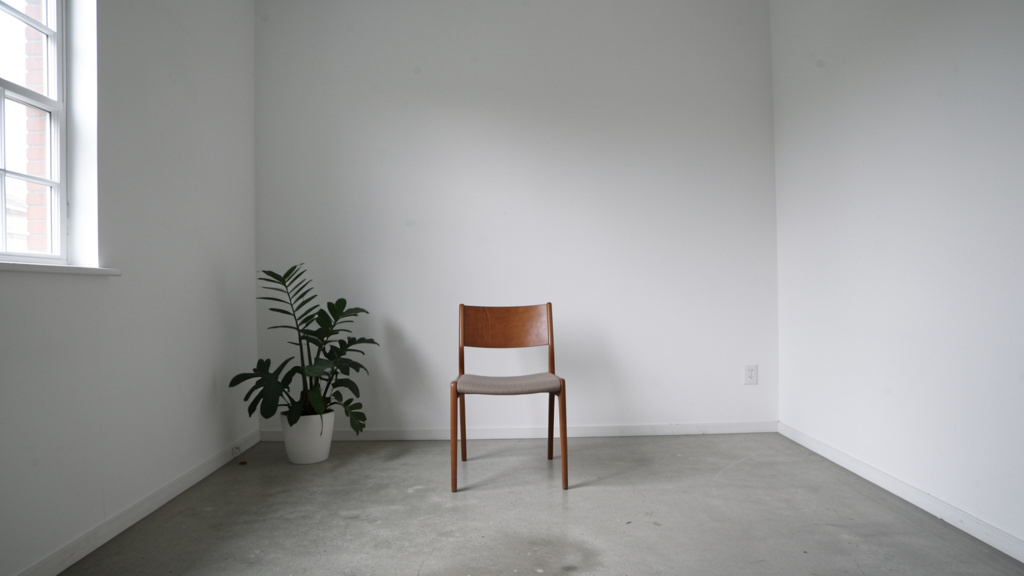
Move beyond empty spaces and stark aesthetics. Discover how to cultivate a home that reflects your values, reduces decision fatigue, and supports your well-being through deliberate, meaningful choices.
Minimalist design is frequently misunderstood as an aesthetic of absence—a cold, sterile environment stripped of personality and warmth. In truth, authentic minimalism is a profound philosophy of presence. It is the conscious practice of removing distractions to amplify what truly matters: clarity of space, intentionality of objects, and alignment with personal values. This guide transcends superficial decluttering tips to deliver a comprehensive, psychologically grounded framework for transforming your home into a sanctuary of purpose. Through evidence-based strategies, room-specific applications, and compassionate solutions to real-world challenges, you will learn to cultivate environments that actively support your mental well-being, daily rituals, and deepest aspirations—proving that less isn’t empty; it’s intentional.
Introduction
Walk into any space labeled “minimalist” online, and you might encounter vast white walls, a single sculptural chair, and an unsettling silence. No family photos. No well-loved books. No evidence of life. This pervasive imagery has created a dangerous misconception: that minimalism demands sacrifice, austerity, or the erasure of identity. The reality is precisely the opposite. Minimalist design, at its core, is not about removing life from your home—it’s about making space for the life you want to live. It’s the deliberate curation of your environment so that every element serves a clear purpose or evokes genuine meaning. When executed with intention, minimalism becomes a powerful tool for reducing cognitive load, fostering emotional calm, and reinforcing your personal values through the very walls that surround you.
Consider the psychological weight of constant visual noise. Environmental psychology research suggests that cluttered environments can contribute to heightened stress responses and reduced cognitive focus, while intentionally simplified spaces often support mental restoration and emotional equilibrium. This isn’t merely about aesthetics; it’s environmental psychology made tangible. True minimalist design operates at the intersection of behavioral insight and deeply personal human experience. It asks not “What can I remove?” but “What do I want to feel here?” This subtle shift in questioning transforms minimalism from a chore of deprivation into a creative act of self-definition. Your home ceases to be a repository for possessions and becomes an active participant in your well-being—a silent ally in your pursuit of calm, clarity, and connection.
The Intentional Living Framework: Three Pillars for a Purposeful Home
Forget rigid rules about item counts or prescribed color palettes. Sustainable minimalist design requires a flexible, human-centered system—one that adapts to your unique life, values, and evolving circumstances. Through synthesis of established principles in environmental psychology, design theory, and mindful living practices, a consistent pattern emerges: enduring minimalism rests on three interconnected pillars. These are not sequential steps but cyclical practices that reinforce one another. Mastering this framework allows you to move beyond temporary decluttering fixes toward a lasting philosophy of intentional living. Think of it as cultivating a home ecosystem where every choice supports your well-being.
Pillar 1: Clarity — Defining Your “Why” Before You Touch a Single Object
Clarity is the non-negotiable foundation. Without it, minimalism becomes a directionless purge—a stressful exercise that often leads to rebound clutter or regret. Clarity transforms abstract desires (“I want a calmer home”) into actionable, personalized intentions. This pillar is entirely internal work, conducted before any physical sorting begins. It requires honest reflection on your values, pain points, and vision for daily life within your space.
Begin with a dedicated journaling session. Ask yourself these specific, probing questions:
* What emotions do I want my home to evoke? (e.g., “Tranquility when I enter the front door,” “Energetic focus in my home office,” “Warm connection during family dinners”)
* What daily frustrations does my current space create? (e.g., “I waste time searching for keys each morning,” “The kitchen counter is perpetually buried under mail,” “I feel anxious seeing piles of unfolded laundry”)
* What activities matter most to me, and does my space support them? (e.g., “I value reading before bed, but my bedroom is filled with work documents,” “I love cooking with my partner, but the kitchen layout creates friction”)
* If my home perfectly reflected my values, what would be different? (e.g., “If sustainability matters, would single-use items be visible? If creativity matters, is there an accessible, inspiring space for it?”)
This exercise moves you beyond copying external ideals. Consider a parent who initially sought a “minimalist living room” inspired by online imagery. Through clarity work, they realized their true need wasn’t visual emptiness—it was connection. Their family consistently retreated to separate screens because the room layout encouraged isolation. Their clarified intention became: “Create a living room that invites conversation and collaborative play.” This shifted their entire approach. Instead of removing the comfortable sectional sofa (which facilitated family movie nights), they focused on clearing the central coffee table for board games and removing secondary screens that pulled attention away from interaction. The result wasn’t a magazine-perfect void; it was a warm, functional space where their family genuinely gathered. Their expression of minimalism looked nothing like generic online examples—but it perfectly served their intention.
Why this step is crucial: Skipping clarity leads to aesthetic minimalism that feels hollow. You might achieve visual tidiness, but without alignment to your values, motivation won’t sustain. Clutter often returns because underlying needs remain unaddressed. Clarity provides the compass for every subsequent decision. When faced with a questionable item (“Should I keep this decorative bowl?”), you can refer back: “Does this support my intention of calm and connection? Does it serve a purpose or bring genuine joy to me?” The answer becomes clear.
Common mistakes to avoid:
* Borrowing someone else’s “why”: Your sister may prefer monochromatic neutrality; you may thrive with warm earth tones. Your intentions must be authentically yours.
* Vague intentions: “I want peace” is too broad. “I want the entryway to feel instantly calming so I decompress the moment I walk in the door” is actionable.
* Ignoring seasonal or life-stage changes: Intentions evolve. Revisit your clarity statements quarterly or during natural transition points (season changes, birthdays, new routines).
Practical exercise: Create an “Intention Statement” for each major room. Write it on a small card and place it where you’ll see it during the curation process. Example for a bedroom: “This space exists solely to support deep, restorative sleep and quiet intimacy. Every object here must contribute to that feeling of sanctuary.” This statement instantly clarifies decisions about keeping work devices, excessive decor, or laundry baskets in the room.
Pillar 2: Curation — The Art of Selective Keeping
Curation is where intention meets action. It is the thoughtful process of evaluating every object in your home against the clarity you’ve established—not through harsh judgment, but through compassionate discernment. This pillar dismantles the myth that minimalism is about deprivation. Instead, it reframes the process as elevating the items that truly matter. You aren’t losing possessions; you are making space for your favorites to shine. Curation is an act of respect—for your space, your time, and the objects themselves.
The most effective curation method is category-based, not room-by-room. Why? Room-by-room sorting often leads to “clutter shuffling”—moving items from the living room to the basement “for later.” Category-based sorting (all clothing, all books, all kitchen utensils) creates undeniable awareness of volume and duplication. Begin with easier categories (linens, kitchen gadgets) to build momentum before tackling emotionally charged ones (sentimental items, paperwork).
For each item within a category, apply the Intention Filter—a three-question litmus test derived directly from your Clarity pillar:
1. Function: Does this item serve a necessary, regular purpose in my life right now? (Be honest: “I might use this specialty gadget someday” fails this test. “I use this chef’s knife daily for meal prep” passes.)
2. Feeling: Does this item consistently evoke genuine joy, comfort, or positive memory when I see or use it? (Not guilt—”A relative gave this,” not obligation—”It was expensive.” True, uncomplicated positive emotion.)
3. Alignment: Does this item visually or energetically support the intention I set for this space? (Does the chipped, mismatched mug align with your intention of a serene morning ritual? Does bulky storage furniture support your goal of an open, conversation-focused living area?)
If an item passes at least two of these filters robustly, it earns its place. If it passes only one weakly, or none, it is a candidate for release. This filter moves beyond simplistic mantras to incorporate practicality and spatial intention.
Why this step is crucial: Curation prevents the “minimalist rebound.” When items are released based on clear, personalized criteria tied to your values, regret is minimized. You aren’t discarding randomly; you are consciously choosing what deserves prominence in your life. This process also reveals hidden patterns. An individual working in a technical field discovered they owned multiple nearly identical tools during kitchen curation. Their intention for the kitchen was “efficient, joyful cooking.” The excess tools served no regular function, created visual noise in drawers (contradicting calm), and wasted space. Releasing duplicates wasn’t loss; it was liberation—freeing drawer space and mental energy. They kept the one high-quality tool that worked perfectly, honoring both function and their value of quality over quantity.
Common mistakes to avoid:
* The “Just in Case” Trap: This is a significant barrier to curation. Challenge it directly: “What is the realistic probability I will need this specific item within the next year? If needed, could I borrow, rent, or replace it affordably?” For most “just in case” items (specialty baking pans, single-use gadgets), the answer reveals they aren’t worth the space they occupy.
* Sentimental Overload: Trying to curate all sentimental items at once is overwhelming. Designate a single, appropriately sized “Memory Box” (e.g., one standard archival box). Only items that fit inside, after rigorous filtering, are kept. This creates healthy constraints. Photograph bulky items (children’s artwork, awards) and create a digital album. The memory is preserved; the physical burden is released.
* Ignoring the “Cost of Ownership”: Every object requires energy—cleaning, maintaining, worrying about it, finding space for it. Ask: “Is the value this item brings worth the ongoing cost of owning it?” A delicate item requiring meticulous care might not align with your intention of a low-maintenance, relaxed home.
Method Variations for Real Life:
* Ideal Method (The Full Reset): Block dedicated time over several weekends. Sort entire categories systematically. Ideal for major life transitions (moving, after children leave home) or when clutter feels unmanageable.
* Budget-Friendly Method (The Micro-Reset): Dedicate 15 minutes daily to one small category (e.g., “Today: spice rack,” “Tomorrow: bathroom under-sink”). Progress is slower but sustainable, requires no financial investment, and builds consistent habits. Perfect for busy schedules.
* Emergency Method (The Surface Sweep): Feeling overwhelmed right now? Clear one critical surface completely (kitchen counter, desk, bedside table). Apply the Intention Filter ruthlessly. This provides immediate psychological relief and proves progress is possible, building momentum for deeper work later.
The Fundamental Principle: Every object retained is a conscious vote for the life you are choosing to live; every object released is a respectful acknowledgment that its purpose in your story has concluded.
Pillar 3: Calm — Designing for Sensory Harmony
Calm is the sensory manifestation of your clarity and curation. It’s the deliberate orchestration of light, color, texture, sound, and spatial flow to create an environment that actively soothes the nervous system and supports your intended activities. This pillar moves beyond “what to keep” to “how to arrange and experience” what remains. A curated space can still feel chaotic if sensory elements are neglected. Calm ensures your minimalist design feels warm, inviting, and deeply human—not sterile or institutional.
Mastering Light: Light is the most powerful tool for creating calm. Prioritize maximizing natural light where possible. Remove heavy, light-blocking window treatments when practical; opt for sheer liners or light-filtering shades. Position key furniture (reading chairs, desks) to benefit from daylight. For artificial lighting, move beyond reliance on a single overhead fixture. Implement layered lighting:
* Ambient Layer: Soft, overall illumination (dimmable ceiling fixtures, floor lamps with warm-white bulbs 2700K-3000K).
* Task Layer: Focused light for specific activities (adjustable desk lamp, under-cabinet kitchen lighting, reading light beside the bed).
* Accent Layer: Highlights texture and depth (small picture lights, discreet LED strips inside open shelving).
Dimmer switches significantly enhance calm—they allow you to modulate the room’s energy from vibrant morning to restful evening. In living and sleeping areas, warmer color temperatures (2700K-3000K) are generally preferred for relaxation over cooler, blue-toned LEDs (4000K+), which can increase alertness.
Curating Color and Texture: Minimalism does not equal monochrome. Calm is achieved through cohesion, not absence. Select a restrained palette of 3-4 core colors that resonate with your intention. For a serene bedroom: soft clay, warm white, oatmeal, and deep charcoal. For an energizing home office: muted sage, cream, light wood, and a single accent of terracotta. Introduce depth and warmth through texture, not pattern clutter. A chunky knit throw on a linen sofa. A smooth river stone on a raw wood shelf. A woven seagrass basket for blankets. These tactile elements invite touch and create visual interest without visual noise. Avoid large areas of high-gloss finishes or stark contrasts (e.g., pure black against pure white) which can feel harsh; opt for matte or satin finishes and nuanced, earthy tones.
Optimizing Spatial Flow: Calm requires physical ease of movement. Apply the “Pathway Principle”: Ensure clear, unobstructed pathways (at least 24-30 inches wide is a common guideline for comfort) between key areas (door to sofa, bed to closet). Furniture should facilitate, not hinder, movement. In a small living room, floating the sofa slightly away from the wall can create a more intimate conversation zone and improve flow. Embrace negative space (empty areas). That blank wall isn’t “wasted”; it’s a visual resting place for the eyes. It allows the carefully chosen art above the sofa to be truly seen and appreciated. Cluttered walls compete for attention; intentional negative space amplifies what matters.
Why this step is crucial: Without sensory calm, curation feels incomplete. You might have few objects, but harsh lighting, jarring colors, or cramped pathways will still trigger stress responses. Calm transforms a tidy room into a therapeutic environment. A household transformed their kitchen not by removing more items (they’d already curated well), but by implementing Calm pillar strategies. They replaced harsh overhead lighting with warm, dimmable pendants over the island and under-cabinet LED strips. They chose a soft, cohesive color scheme for cabinets and added woven baskets for fruit instead of a cluttered bowl. The result? Meal prep felt less like a chore and more like a mindful ritual. The space felt calmer, reducing evening tension. The objects hadn’t changed drastically; the sensory experience had.
Common mistakes to avoid:
* Over-Simplifying Texture: A room with only smooth, hard surfaces (glass table, leather sofa, tile floor) can feel cold and echoey. Always layer in soft, absorbent textures (rug, curtains, cushions, wood) to dampen sound and add warmth.
* Ignoring Acoustics: Hard surfaces amplify sound. In open-plan homes, strategic rugs, fabric wall hangings, or bookshelves filled with books act as sound absorbers, reducing auditory clutter and promoting calm.
* Forgetting Human Scale: Furniture should feel proportional to the people using it and the room size. An oversized piece in a small room can create oppression, not calm. Choose pieces that fit the space and encourage connection (e.g., two comfortable armchairs angled toward each other often foster conversation better than one massive sofa facing a screen).
Real-Life Application: Consider a home office intention: “A space that fosters deep, focused work without distraction.” Calm execution:
* Light: Desk positioned to avoid screen glare; warm task lamp for evening work; minimal reliance on harsh overhead lighting directly above the workspace.
* Color/Texture: Walls in a soft, non-distracting neutral; desk of warm wood tone; chair with breathable fabric; a small wool rug defines the zone.
* Flow: Clear path to door; only essential items on desk (laptop, notebook, pen holder); cables managed with sleeves and clips; a single small plant for life.
This environment actively supports the intention. The sensory details work together to minimize distraction and signal to the brain: “This is a place for focused work.”
Applying the Framework Room by Room: From Theory to Tangible Tranquility
The Intentional Living Framework gains power through practical application. Abstract principles become transformative when tailored to the unique purpose and challenges of each space. Below, we translate Clarity, Curation, and Calm into actionable strategies for the rooms where life unfolds. Each section includes specific prompts, common pitfalls, and adaptable solutions—because minimalist design must serve your reality, not an idealized fantasy. Whether you live alone, with a partner, or in a bustling household, these guidelines provide a compass, not a rigid map.
The Entryway: Setting the Tone for Arrival and Departure
Your entryway is the threshold between the external world and your personal sanctuary. Its design directly impacts your transition into and out of home life. A chaotic entryway (piles of shoes, scattered mail, lost keys) triggers stress the moment you walk in the door. An intentional one facilitates calm arrival and efficient departure.
- Clarity Prompt: “What do I need to feel the moment I step inside? What must be effortlessly accessible as I leave?” Common intentions: Instant decompression upon entry. Seamless morning routines. A welcoming first impression that reflects our values.
- Curation Strategy: This zone demands ruthless functionality. Keep only what is used daily for entering/exiting. Implement the “One-Touch Rule” for mail: a small tray for immediate sorting (recycle junk mail now, file bills, action items go directly to relevant rooms). For footwear: a designated spot for today’s shoes only. Store seasonal or infrequently worn shoes elsewhere. Keys, wallet, bag—assign one dedicated “launching pad” (a small tray or hook). If you have children, lower hooks and a low bench with open cubbies empower them to manage their own items. Release: duplicate umbrellas, broken leashes, promotional keychains, coats not worn in the last season.
- Calm Execution: Maximize light—place a mirror opposite a window to reflect daylight and create a sense of spaciousness. Choose a durable, easy-to-clean floor mat (jute, coir) in a neutral tone. A small bench provides a place to sit while removing shoes. A shallow tray catches small essentials (keys, sunglasses). Avoid visual clutter on walls; one piece of meaningful art or a simple wall hook rack suffices. Scent matters: a subtle reed diffuser with cedar or lavender can gently signal “home” to your senses. Budget Tip: Repurpose a sturdy wooden crate as a shoe organizer. Family Adaptation: Use color-coded bins or picture labels for young children’s belongings (“Red bin = shoes”).
- Pitfall to Avoid: Using the entryway as temporary storage for items “to deal with later” (dry cleaning, packages). This instantly undermines calm. Implement a strict “no staging zone” rule—items belong elsewhere or are processed immediately.
The Living Room: Cultivating Connection and Rest
Often the heart of the home, the living room is prone to becoming a dumping ground for remotes, toys, and miscellaneous clutter. Intentional design here directly impacts family dynamics, relaxation quality, and social interactions.
- Clarity Prompt: “What is the primary purpose of this room? Connection? Relaxation? Entertainment? How do we actually use this space versus how we wish we used it?” Be honest. If you rarely watch television but have a massive entertainment unit dominating the room, your space contradicts your life.
- Curation Strategy: Start with furniture. Does every piece serve the room’s intention? A large sectional might be necessary for a family who gathers for movie nights; for those who prefer conversation, two comfortable armchairs and a small sofa may foster intimacy better. Remove furniture that blocks flow or feels imposing. For surfaces: adopt the “Rule of Three” for intentional groupings (e.g., a stack of three favorite books, a small plant, a ceramic dish for remotes). Release: duplicate throw pillows, outdated magazines, knick-knacks with no meaning, electronics rarely used. Store children’s toys in closed cabinets with simple bins—open toy shelves create constant visual noise.
- Calm Execution: Arrange seating to encourage face-to-face interaction (angled toward a focal point like a fireplace or window, not solely toward a screen). Layer lighting: floor lamp in the corner for ambient glow, small table lamp for reading nooks. Choose textiles that invite touch—linen sofa, wool throw, cotton rug. Incorporate natural elements: a resilient indoor plant (snake plant or ZZ plant for low light), a bowl of smooth stones, wood accents. Manage cords meticulously with sleeves and clips hidden behind furniture. Budget Tip: Dye mismatched throw pillows a cohesive neutral color. Small Space Solution: Use a storage ottoman that doubles as seating and hides blankets/toys. Non-Minimalist Partner Strategy: Designate one “curated shelf” where your partner can display meaningful collections without overwhelming the entire room. Frame the conversation around shared intentions: “How can we make this room feel welcoming for both of us?”
- Pitfall to Avoid: Creating a “showroom” living room that feels too precious to use. Intentional minimalism embraces lived-in warmth. A slightly rumpled throw blanket, a well-read book left on the chair—these signs of life, when intentional, add authenticity and comfort. The goal is curated ease, not sterile perfection.
The Bedroom: Engineering a Sanctuary for Restorative Sleep
The bedroom’s primary purpose should be rest and intimacy. Yet, it’s often invaded by work (laptops, paperwork), entertainment, and storage overflow (clothes on chairs). This directly impacts sleep quality and relaxation.
- Clarity Prompt: “Does everything in this room support deep sleep and intimacy? What disrupts my ability to unwind here?” Sleep experts note that optimizing the bedroom environment for darkness, quiet, and cool temperatures can support better sleep onset and quality.
- Curation Strategy: Minimize non-sleep-related items. Consider removing screens, work desks, or exercise equipment if they interfere with rest. If closet space is limited, implement a “one in, one out” rule for clothing. Nightstands should hold only essentials: a lamp, a book currently being read, water glass, perhaps a small framed photo. Under-bed storage should be for off-season bedding only—use uniform, labeled bins. Release: clothing not worn recently, expired items, broken jewelry, stacks of unread books, extra furniture that cramps the space.
- Calm Execution: Prioritize darkness: blackout curtains or shades are highly effective. Choose calming, muted colors for walls and linens (soft blues, warm grays, creamy whites). Invest in high-quality, breathable bedding (cotton, linen, bamboo). Minimize electronic distractions: charge devices outside the bedroom if possible, or use a traditional alarm clock. If a phone must be present, enable “Do Not Disturb” and place it face down. Incorporate soothing scents: lavender essential oil in a diffuser (used before bed) or linen spray. Ensure the room is cool (a commonly cited comfortable range is 60-67°F / 15-19°C). Budget Tip: Use removable blackout film on windows if curtains aren’t feasible. Apartment Dweller Solution: A room divider screen can create visual separation between a sleeping area and a small workspace in a studio. Partner Compromise: Use layered bedding (lighter duvet for one, extra blanket for the other) to accommodate different temperature preferences.
- Pitfall to Avoid: Using the bed for activities other than sleep and intimacy (working, watching screens, scrolling phones). This can weaken the mental association between bed and rest. If you can’t sleep after 20 minutes, getting up to do a quiet activity in another room until sleepy can be helpful.
The Kitchen: Fostering Efficiency and Joy in Daily Rituals
The kitchen is a workspace. Minimalist design here isn’t about having few dishes; it’s about creating a frictionless environment for nourishment. Clutter directly impedes cooking, cleaning, and enjoyment of this vital space.
- Clarity Prompt: “What is my cooking style? What tasks cause the most frustration? How can this space support healthy eating and joyful meal sharing?” A baker needs accessible flour storage; a smoothie enthusiast needs blender space; a family cook needs efficient workflow.
- Curation Strategy: Apply the “Workflow Zone” method. Group items by function near where they’re used:
- Prep Zone (near sink/countertop): Cutting boards, knives, mixing bowls, measuring cups.
- Cooking Zone (near stove): Pots, pans, spatulas, cooking oils, spices.
- Cleaning Zone (near sink/dishwasher): Dish soap, sponges, trash/recycling bins.
- Storage Zone (pantry/fridge): Food items, organized by category.
Release duplicates (how many spatulas do you actually use?), single-use gadgets, chipped dishes, expired food, mismatched containers without lids. Keep only the containers you use regularly. For utensils, keep only what fits comfortably in one drawer divider. Pro Tip: Do a “pantry audit” seasonally. Empty everything, wipe shelves, check expiration dates, and only return items you know you’ll use.
- Calm Execution: Maximize clear countertop space—this is your primary workspace. Store small appliances (toaster, blender) in cabinets unless used daily. Use uniform, stackable containers for pantry items (glass jars with labels create visual calm). Choose a cohesive color scheme for dishes and utensils if visible (all white plates, matching wooden spoons). Under-cabinet lighting is transformative for task safety and ambiance. Ensure good ventilation. Budget Tip: Remove cabinet doors on one section for open shelving (paint shelves a contrasting color for visual interest), displaying only your most beautiful, frequently used dishes. Small Kitchen Hack: Install a pegboard on an empty wall for hanging pots, pans, and utensils—functional, accessible, and visually clean when organized intentionally. Family Strategy: Assign each child a low drawer with their own colorful, durable plates and cups—they can access them independently.
- Pitfall to Avoid: Over-organizing with excessive containers and dividers that create more work. Organization should simplify, not complicate. If maintaining a system feels burdensome, simplify the system. The goal is ease of use.
The Bathroom: Creating a Daily Ritual of Renewal
Bathrooms are high-moisture, high-traffic zones prone to product accumulation and visual chaos. Intentional design transforms this functional space into a personal spa—a place for mindful hygiene and renewal.
- Clarity Prompt: “What does my ideal morning/evening routine feel like? How can this space support efficiency and a sense of calm during these rituals?” Intention might be: A serene start to the day. A quick, efficient cleanup. A luxurious wind-down.
- Curation Strategy: Be mindful with products. Keep only what is currently in use. Discard dried-up items, expired sunscreen, half-used bottles of products you dislike. Use the “under-sink audit”: pull everything out. Does each item serve a purpose now? Group like items (haircare, skincare, dental). Release: hotel samples, broken tools, mismatched cups, excessive decorative items. For medicine storage, implement a periodic review of expired items (dispose of safely per local guidelines).
- Calm Execution: Maximize perceived space. Use clear organizers inside cabinets for visibility. Store daily-use items in matching containers (bamboo trays, ceramic dishes) on the counter—limit to 3-4 essentials (toothbrush, hand soap, one skincare item). Install recessed shelving in the shower instead of a bulky caddy. Choose a cohesive color palette: white, cream, soft gray, or natural wood tones promote cleanliness and calm. Add a small, moisture-loving plant (peace lily, fern) for life. Ensure excellent ventilation. Soft, warm lighting around the mirror (not harsh overhead) is flattering and calming. Budget Tip: Peel-and-stick wallpaper on the inside of cabinet doors adds a hidden touch of joy. Small Bathroom Solution: Over-the-toilet shelving units (choose slim, floating designs) provide vertical storage without crowding the floor. Family Adaptation: Use labeled bins or caddies for each family member’s shower products to keep the space tidy.
- Pitfall to Avoid: Letting the bathroom become a storage closet for linens, cleaning supplies, or overflow items. These belong in dedicated storage areas. A bathroom’s purpose is personal care; unrelated clutter creates immediate visual stress.
The Home Office / Workspace: Designing for Focused Productivity
In an era of remote work and digital saturation, the home office must actively combat distraction. Intentional design here protects your most valuable resource: focused attention.
- Clarity Prompt: “What type of work do I do here? Deep focus? Creative brainstorming? Video calls? What environmental factors help or hinder my concentration?” Intention might be: A zone for uninterrupted deep work. A space that sparks creativity. A professional backdrop for meetings.
- Curation Strategy: Desk surface should hold only what is needed for the current task. Use drawer organizers for supplies. Implement a “desktop reset” ritual at the end of each workday: clear everything, leaving only a lamp and perhaps one inspiring object. Manage digital clutter equally: organize files into folders, unsubscribe from distracting notifications, use website blockers during focus sessions. Release: obsolete cables, broken headphones, stacks of old notebooks, promotional items, furniture that doesn’t support ergonomics.
- Calm Execution: Prioritize ergonomics: chair with lumbar support, monitor at eye level, feet flat on floor. Position desk to face a window if possible (natural light and a view can reduce eye strain and boost mood), but avoid direct glare on screens. Control acoustics: a small rug dampens sound; noise-canceling headphones are essential in shared homes. Use task lighting focused on the desk. Keep visual distractions minimal directly in your line of sight. A single piece of art or a small plant on the desk is sufficient. Budget Tip: Use a stack of books to raise monitor height. Small Space Solution: A wall-mounted fold-down desk creates a dedicated workspace that disappears when not in use. Hybrid Worker Strategy: Use a room divider or bookshelf to visually separate the workspace from living areas, creating a psychological “on/off” switch for work mode. Digital Calm: Schedule “focus blocks” where notifications are silenced. Your physical space and digital habits must work in concert.
- Pitfall to Avoid: Multitasking the space for incompatible activities (e.g., using the desk for bills, crafts, and work). This fragments focus. If space is limited, implement strict time boundaries: “This surface is my office from 9 AM to 5 PM; after 6 PM, it transforms for family use.” Consistency trains the brain.
Navigating Common Frictions: Real-Life Challenges and Compassionate Solutions
Adopting intentional minimalism rarely follows a perfectly smooth path. Life is complex, households are diverse, and emotional attachments run deep. Dismissing these challenges as “lack of willpower” is unhelpful. True mastery of minimalist design lies in developing compassionate, practical strategies for inevitable frictions. This section addresses frequent real-world obstacles with empathy and actionable solutions, ensuring your journey toward intentionality is sustainable and kind—to yourself and others.
When Your Household Isn’t On Board: Strategies for Harmony, Not Conflict
Perhaps the most common friction arises in shared living situations. You feel called to simplify; your partner treasures collections. You crave clear surfaces; your teenager’s room is vibrant with self-expression. Forcing minimalism creates resentment and guarantees failure. The goal shifts from “making everyone minimalist” to “creating shared intentionality within the household.”
Start with Shared Values, Not Aesthetics: Initiate a calm conversation focused on feelings and shared goals, not objects. Instead of “Your collection is clutter,” try: “I’ve noticed the living room feels a bit chaotic to me, and it makes it hard for me to relax after work. I know you love having your items accessible. How can we work together to make this space feel good for both of us? What does ‘comfortable’ mean to you here?” You might discover shared intentions: “We both want the living room to be a place we enjoy spending time together without feeling stressed.” This common ground is your foundation.
Implement the “Designated Zone” Compromise: Negotiate specific, contained areas for individual preferences. Your partner keeps their collection, but it’s housed in a dedicated cabinet with doors—not spread across shared surfaces. Your child has full autonomy over the decor and organization of their bedroom (within safety limits), while common areas follow agreed-upon simplicity guidelines. This respects individuality while protecting shared spaces. Frame it positively: “This is your space to express yourself freely. In the kitchen and living room, let’s keep things streamlined so we all feel calm there.”
Lead with the Benefits, Not the Rules: Share how intentional changes positively impact them. “Since we cleared the kitchen counters, I’ve noticed dinner prep is faster and less frustrating for both of us.” “Having a designated spot for your keys means you spend less time searching for them in the morning.” Focus on the improved experience, not the removed objects. Small, visible wins build credibility and openness to further collaboration.
Focus on Systems, Not Stuff: Often, friction isn’t about the objects themselves but the chaos they create. Propose collaborative systems that benefit everyone: a shared digital calendar, a labeled bin system in the entryway for each family member’s gear, a brief “reset the house” ritual before bed where everyone tidies their immediate area. Systems address the pain point (disorganization) without demanding ideological alignment on minimalism.
Practice Patience and Celebrate Micro-Wins: Change takes time. Acknowledge and appreciate small steps: “Thank you for putting your shoes in the bin today—it really helps keep the entryway clear.” Avoid criticism. Building trust and demonstrating the tangible benefits of intentionality through your own actions is far more persuasive than demands. Remember: the goal is a harmonious home, not a perfectly minimalist one. Sometimes, “good enough” harmony is the most intentional choice of all.
The Sentimental Item Dilemma: Honoring Memories Without Cluttering Your Present
Sentimental items carry emotional weight far exceeding their physical size. Letting go can feel like betraying a memory. This is not a failure of minimalism; it’s a profound human experience. The key is to separate the memory (which is internal and permanent) from the physical object (which is external and finite). Established organizing methodologies emphasize honoring the emotion while making practical decisions about the object.
The Photograph and Release Method: For bulky items (children’s artwork, awards, clothing), take a high-quality photograph. Create a dedicated digital album with captions noting the memory. This preserves the memory vividly without the physical burden. You can even create a small, printed photo book of the most significant items. The act of photographing is itself a ritual of acknowledgment and gratitude.
The Curated Memory Box: Establish a single, appropriately sized container—a standard archival box. This creates a healthy constraint. Only items that fit inside, after careful selection, are kept. When the box is full, to add something new, something else must be released. This forces meaningful curation. Include only the most potent items: a wedding invitation, a baby’s first pair of shoes, a letter that holds deep meaning. The constraint transforms the box from a dumping ground into a sacred archive of your most cherished moments.
Repurpose with Intention: Can the object be transformed to serve a new purpose that honors its origin? A beloved but worn-out baby blanket could be made into a small pillow. A meaningful piece of fabric could be framed. This isn’t about hoarding; it’s about consciously integrating the memory into your current life in a functional, beautiful way. Only pursue this if the repurposed item will be genuinely used and appreciated.
Honor Through Action, Not Accumulation: Sometimes, the most respectful way to honor a memory is through action. Donate unused items to someone who will use them joyfully. Plant a tree in memory of a loved one. Cook their signature recipe annually. These actions keep the memory alive and active in your life, often more meaningfully than stored objects. Ask: “How would honoring this memory best support my present life?”
Compassionate Language for Yourself: Replace judgmental thoughts (“I’m so sentimental,” “I can’t let go”) with compassionate acknowledgment: “This item represents a deeply important time in my life. It’s okay that releasing it feels hard. I am choosing to honor the memory by carrying it in my heart, and I am making space in my home for my present and future.” Grant yourself permission to keep a few key items without guilt. Intentionality includes intentional keeping. The goal is not an empty box; it’s a box filled only with items whose emotional weight you are willing and able to carry.
Minimalism on a Budget: Intentionality Requires No Renovation
A pervasive myth suggests minimalist design demands expensive renovations or purchasing new “aesthetic” furniture. This is categorically false. Intentionality is a mindset and a series of choices, not a price tag. Some of the most powerful minimalist transformations occur with zero financial investment—through rearrangement, release, and reframing. True resourcefulness is deeply aligned with minimalist values of sufficiency and mindfulness.
The Power of Rearrangement (Cost: $0): Before buying anything, experiment with furniture placement. Float the sofa away from the wall. Create distinct zones in an open-plan space using area rugs. Position seating to capture a view or natural light. Often, simply optimizing flow and sightlines creates a dramatically calmer, more intentional feel. Take photos before and after; the visual difference is often striking. This leverages what you already own to serve your intentions better.
Deep Cleaning as Curation (Cost: <$20): A thorough, mindful clean can transform a space more than new purchases. Wash windows to maximize light. Deep clean grout, wipe down baseboards, polish wood surfaces. Donate or discard items discovered during cleaning that no longer serve you. Shine makes existing items look cared for and intentional. Use simple, eco-friendly cleaners (vinegar, baking soda, castile soap) to avoid chemical clutter and expense. The act of cleaning itself is a ritual of respect for your space.
Strategic Thrifting and Swapping (Cost: Variable, Often Low): Need a specific storage solution? Visit thrift stores, online marketplaces, or community groups with a precise list. “One small wooden bench for entryway,” “Two matching ceramic bowls for keys.” Having a clear intention prevents impulse buys. Organize a swap with friends—exchange books, decor, or kitchenware. This refreshes your space sustainably and builds community. Look for solid wood furniture that can be sanded and re-stained to fit your palette.
DIY Solutions with Existing Materials (Cost: Minimal): Repurpose what you have. Turn a sturdy wooden crate into a bedside table or shoe organizer. Use pretty baskets you already own for hidden storage. Remove cabinet doors for open shelving (sand edges smooth). Create art by framing meaningful fabric scraps, maps, or children’s drawings under simple mats. Intentionality shines through thoughtful reuse, not pristine newness. A slightly imperfect, handmade solution often carries more warmth and story than a mass-produced item.
The “Wait and Watch” Protocol for Purchases: Implement a mandatory waiting period for any non-essential purchase over a set amount (e.g., $50). Write down the item, why you want it, and how it aligns with your space’s intention. Revisit the list after the waiting period. Often, the desire passes. If the need remains and it clearly serves your intention, proceed mindfully. This prevents debt, reduces buyer’s remorse, and ensures every new item is truly earned and valued. Budget minimalism is about adding value, not adding things.
Reframe “Budget” as “Resourcefulness”: View constraints not as limitations, but as creative catalysts. How can you achieve calm with what you have? This mindset shift—from scarcity (“I can’t afford minimalism”) to sufficiency (“I have enough to start”)—is the very essence of intentional living. The most impactful minimalist homes are not the most expensive; they are the most thoughtfully curated, regardless of the price tags on the items within them.
The Maintenance Mindset: Making Intentionality a Sustainable Habit
The biggest fear surrounding minimalism is the “rebound effect”—spending weeks decluttering only to have clutter creep back. Sustainability isn’t about perfection; it’s about integrating simple, consistent habits that protect your intentional space with minimal ongoing effort. Think of maintenance not as a chore, but as a series of tiny rituals that reinforce your values daily.
The Daily Reset (5 Minutes): Establish a non-negotiable end-of-day ritual. Before bed, spend five minutes restoring key zones to their intentional state:
* Clear kitchen counters and load the dishwasher.
* Return living room items to their homes (remotes in tray, throw blanket folded).
* Wipe down bathroom sink.
* Place tomorrow’s essentials by the door.
This prevents morning chaos and ensures you start each day in a calm environment. It takes less time than scrolling social media and yields immense psychological payoff. Pair it with a pleasant cue: do it while listening to a specific calming song.
The One-In, One-Out Rule (Ongoing): For categories prone to accumulation (clothing, books, kitchen gadgets, children’s toys), adopt this simple exchange. When a new item enters the home, an old item leaves. This maintains equilibrium without requiring massive periodic purges. It encourages mindful consumption: “Do I love this new item enough to part with one I already own?” The rule applies mentally too: before buying, ask if you have space and need for it.
The Weekly Scan (10 Minutes): Dedicate 10 minutes each week to a quick “intentionality scan.” Walk through each room and ask: “Does this space still feel aligned with my intention? Is there one small area that needs attention?” Tackle that one spot immediately—a overflowing drawer, a pile of mail. This prevents small issues from snowballing. It’s proactive care, not reactive panic.
The Quarterly Review (Seasonal): Align maintenance with seasons. As you swap wardrobes, assess clothing honestly. Before holidays, review gift expectations with family (“Experiences over things”). After tax season, shred old documents. This ties maintenance to natural life rhythms. Use this time to revisit your Clarity pillar: have your intentions for any space shifted? Adjust your curation and calm strategies accordingly.
Compassionate Course Correction: You will have off days. A week of travel might leave the house messy. A stressful project might result in mail piling up. This is normal. Avoid the “all-or-nothing” trap (“I failed, so I might as well give up”). Instead, practice self-compassion: “Life happened. Tomorrow, I’ll do the 5-minute reset.” Intentionality is a practice, not a performance. The ability to gently return to your habits after a lapse is the hallmark of true sustainability. Celebrate showing up, not perfection.
Your Questions, Answered: Demystifying Minimalist Design
Minimalist design sparks curiosity and concern. Below are ten frequently asked questions, drawn from common inquiries and search queries. Each answer provides clarity, dispels myths, and offers practical, nuanced guidance—because understanding the “why” behind the practice is as important as the “how.”
Q: Is minimalist design the same as modern, Scandinavian, or Japanese (Wabi-Sabi) design?
A: While these styles often share visual elements (clean lines, neutral palettes), they are distinct concepts. Minimalist design is a philosophy centered on intentionality and removing the non-essential. Modern design refers to a specific 20th-century architectural and decorative style. Scandinavian design emphasizes functionality, light, and coziness (“hygge”) within a minimalist aesthetic. Wabi-Sabi is a Japanese worldview embracing imperfection, impermanence, and the beauty of natural aging. You can apply minimalist principles (intentionality, curation) within any aesthetic style—rustic farmhouse, traditional, bohemian. The key question is always: “Does this choice serve my intention?” not “Does this look minimalist?”
Q: How do I start minimalist design if I feel completely overwhelmed by the amount of stuff I have?
A: Overwhelm is a signal to scale down, not a reason to stop. Abandon the idea of “doing the whole house.” Your only task today is this: Choose one small, contained area you interact with daily. A single kitchen drawer. The top of your nightstand. The passenger seat of your car. Set a timer for 10 minutes. Apply the Intention Filter (Function, Feeling, Alignment) to each item. Release what doesn’t serve you. When the timer ends, stop. Celebrate that win. This micro-action builds evidence that you can do this. Momentum comes from repeated small successes, not one massive effort. Tomorrow, choose another small area. Trust the process.
Q: Can minimalist design realistically work for families with young children? Won’t it just get messy again immediately?
A: Absolutely—and it can be especially beneficial for families. The goal isn’t a perpetually spotless, child-free showroom (an unrealistic and stressful ideal). It’s creating systems that reduce chaos, make cleanup manageable, and support family well-being. Focus on Calm pillar strategies: durable, easy-to-clean surfaces; open shelving with labeled bins for toys (children can see and access what’s inside); a “toy library” system where only a curated selection is available at once, rotated weekly. Involve children in age-appropriate curation: “Which five stuffed animals sleep with you tonight?” Minimalism for families is about intentional abundance—keeping the toys that spark genuine play, releasing the broken or ignored ones. It reduces decision fatigue for kids (“What should I play with?”) and makes cleanup a clear, shared responsibility. The space will get messy during play—that’s healthy! The intentional design makes resetting after play quick and easy.
Q: What if I love bold colors, patterns, or maximalist aesthetics? Does minimalism force me into beige and white?
A: Not at all. This is a critical distinction. Minimalism is about reducing visual noise and distraction, not eliminating color or personality. If vibrant color brings you profound joy and aligns with your intention for a space (e.g., an energizing home office), then a bold accent wall or a single vibrant piece of art is deeply intentional. The key is cohesion and restraint. Instead of ten different competing patterns, choose one statement patterned rug and build a cohesive palette around it. Instead of every wall being a different color, use one bold color intentionally as a focal point. Ask: “Does this color/pattern serve the room’s purpose and bring me consistent joy, or does it create visual chaos that feels draining?” Intentionality honors your authentic preferences; it doesn’t impose an external aesthetic dogma.
Q: How do I handle gifts from loved ones that don’t fit my minimalist aesthetic or values? I don’t want to hurt feelings.
A: This requires balancing intentionality with relationship care. First, express genuine gratitude for the thought and gesture—this is non-negotiable. The gift is the act of giving; the object is secondary. After the moment has passed, evaluate the item using your Intention Filter. If it doesn’t serve function, feeling, or alignment, you have options: 1) Regift thoughtfully to someone who would genuinely love and use it. 2) Donate to a cause the giver supports. 3) Photograph and release if it holds sentimental value but no practical use. For future prevention, gently educate close friends and family about your journey: “We’re focusing on experiences and reducing clutter at home. Your presence is the best gift!” Most people respect clear, kind communication. True loved ones care more about your happiness than whether you keep a specific object.
Q: Is digital minimalism part of home design? How does it connect?
A: Profoundly. Your digital environment is an extension of your physical space. A cluttered desktop, constant notification pings, and endless app icons create cognitive load identical to a messy desk. Digital chaos spills into physical stress. Apply the Intentional Living Framework digitally: Clarity: “What is the purpose of my phone/computer? Connection? Productivity? Learning?” Curation: Unsubscribe from email lists, delete unused apps, organize files into clear folders, turn off non-essential notifications. Calm: Use grayscale mode to reduce visual stimulation, set app timers, create tech-free zones (bedroom) and times (meals, first hour after waking). A calm digital space directly supports a calm home environment. You cannot have intentional physical spaces while living in digital chaos—they are inextricably linked.
Q: What are the most common minimalist design mistakes beginners make?
A: Three pitfalls are especially prevalent: 1) Skipping Clarity: Jumping straight to purging without defining intentions leads to regret and spaces that feel empty, not purposeful. 2) Creating Sterility: Removing all personal touches, texture, and warmth in pursuit of “clean lines,” resulting in a space that feels unwelcoming. Remember: intentional minimalism embraces lived-in warmth—a favorite book on the chair, a slightly rumpled throw. 3) Rigidity: Treating minimalism as a set of unbreakable rules (“I can only own 50 items”) rather than a flexible framework. Life evolves. Needs change. Intentionality requires adaptability and self-compassion. The goal is a home that serves you, not a home that conforms to an external ideal.
Q: How does intentional minimalist design support sustainability and eco-friendly living?
A: Intentionality is inherently sustainable. By consciously choosing to buy less, you directly reduce consumption, waste, and demand on resources. Curating what you own encourages caring for items longer, supporting repair over replacement, and choosing quality, durable goods. Releasing unwanted items responsibly (donating, selling, recycling) keeps them out of landfills and gives them a second life. Minimalist design often favors natural materials (wood, cotton, wool) and prioritizes energy efficiency (maximizing natural light). Furthermore, a home designed for calm and presence can reduce the psychological need for retail therapy or constant acquisition. Intentional living aligns personal well-being with mindful resource use—a meaningful synergy.
Q: I live in a very small apartment. Won’t minimalism just make it feel even smaller or emptier?
A: On the contrary, intentional minimalism is the most effective strategy for maximizing small spaces. Clutter is what makes small spaces feel cramped and chaotic. Strategic curation creates breathing room. Focus on multi-functional furniture (a sofa bed, an ottoman with storage, a wall-mounted drop-leaf table). Use vertical space wisely (floating shelves, tall narrow bookcases). Choose furniture scaled to the room—avoid bulky pieces. Embrace light colors and maximize natural light to enhance the sense of space. The goal isn’t emptiness; it’s efficiency and flow. A small, intentionally curated apartment feels spacious, calm, and functional. A small, cluttered apartment feels oppressive. Minimalism unlocks the potential of compact living.
Q: How do I maintain minimalist design when shopping for new items? I don’t want to fall back into old habits.
A: Transform shopping from a reactive habit into an intentional practice. Implement these protocols: 1) The Waiting Period: For non-essentials, wait before purchasing. Often, the impulse fades. 2) The Intention Check: Before buying, ask: “Where exactly will this live in my home? Does it align with the intention of that space? Do I have a genuine need or deep desire for it now?” 3) The One-In, One-Out Rule: Commit to releasing an old item before the new one arrives. 4) Quality Over Quantity: Invest in fewer, well-made items that will last. 5) Experience First: When possible, choose experiences (a cooking class, concert tickets) over physical objects. This shifts your reward system away from acquisition. Mindful consumption is the ongoing practice that protects your intentional space.
Conclusion: Your Journey to Intentional Living Begins Now
Minimalist design, redefined as intentional living, is not a destination you reach after discarding the last unnecessary item. It is a continuous, compassionate practice of aligning your external environment with your internal values. It is the daily choice to honor your need for calm by clearing the countertop. It is the courageous decision to release an item that no longer serves you, while deeply valuing the relationship or memory behind it. It is the creative act of arranging light and texture to craft a sanctuary that supports your rest. This framework—Clarity, Curation, Calm—is not a rigid prescription but a flexible compass. It empowers you to navigate the unique complexities of your life, your household, and your evolving self with greater awareness and purpose. The empty spaces you create are not voids to be feared; they are fertile ground for what matters most: presence, connection, peace, and the quiet joy of a home that truly feels like yours.
The 24-Hour Rule: Your First Step Toward Intentionality
Knowledge without action remains abstract. Transformation begins with a single, tangible step. Within the next 24 hours, complete this small but significant act: Choose one surface in your home that causes you minor daily friction—a kitchen counter cluttered with mail, a bedside table buried under books, the top of your dresser. Clear everything off it completely. Wipe it clean. Then, intentionally place back only the items that serve a clear, necessary function or bring you genuine, uncomplicated joy in that specific location. Do not overthink it. Do not tackle the whole room. Just this one surface. Notice the physical sensation of the clear space. Observe how it feels to use that surface now. This micro-win is powerful evidence. It proves you have agency. It demonstrates that intentionality is accessible. It builds the confidence to take the next small step tomorrow. Your journey is not measured in square feet decluttered, but in moments of conscious choice. Start here. Start now.
The Big Picture: Beyond the Walls
The true power of intentional living extends far beyond your front door. The clarity you cultivate in defining your home’s purpose sharpens your ability to identify what matters in your career, relationships, and personal growth. The curation skills you develop—discerning what to keep and what to release—translate directly to managing your time, energy, and commitments. You begin to ask: “Does this obligation align with my values? Does this relationship nourish me? Is this how I want to spend my precious attention?” The calm you design into your physical environment becomes a template for cultivating inner calm—a reminder that peace is often found not in adding more, but in protecting space for what is essential. Your home, transformed through intentionality, becomes more than a shelter; it becomes a living practice ground for a more purposeful, present, and peaceful life. You are not just designing a room; you are designing a way of being. And that is the most intentional choice of all.
Explore Our Complete System:
The Mindful Decluttering Method: A Room-by-Room Guide to Letting Go | Sustainable Home Design: Eco-Friendly Choices for Every Budget | The Psychology of Space: How Your Home Affects Your Mood and Productivity | Small Space Solutions: Maximizing Function and Style in Compact Homes | Creating a Home Office That Boosts Focus and Creativity | Digital Minimalism: Reclaiming Your Attention in a Noisy World | Intentional Living with Children: Fostering Calm in a Busy Household