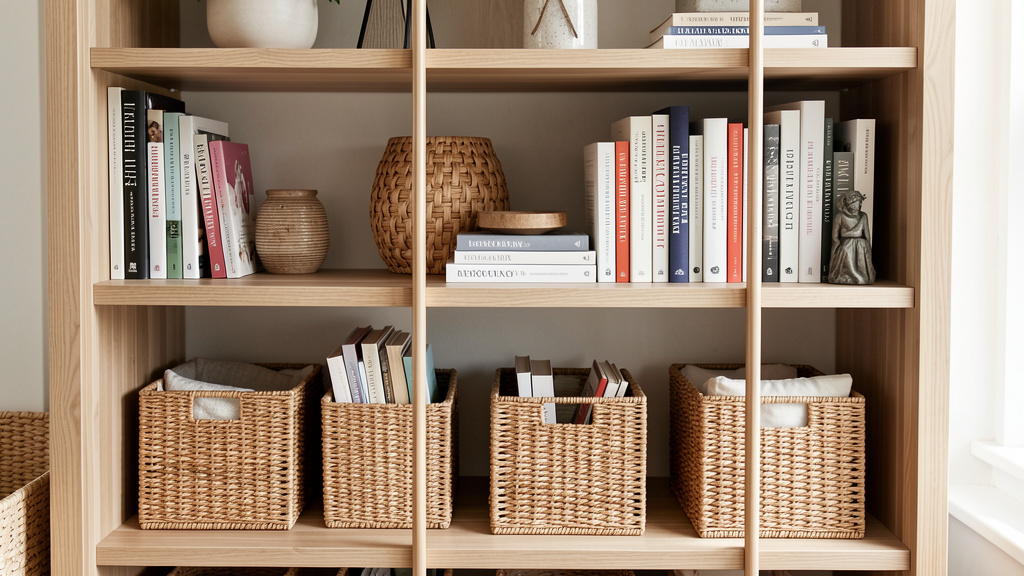
Stop choosing between style and substance. Discover a thoughtful system for selecting storage solutions that organize your life while honoring your home’s character.
For decades, homeowners have faced a false choice: accept sterile, utilitarian storage that clashes with your decor, or choose beautiful furniture that fails to contain life’s beautiful chaos. This tension isn’t your fault—it stems from fragmented advice that treats storage as either a purely aesthetic decision or a cold logistical puzzle. True harmony emerges when we recognize storage furniture as the quiet architecture of daily living. Grounded in established principles from environmental psychology, spatial design research, and material science, this guide offers a unified framework for selecting pieces that work with your habits, not against them. You’ll learn to observe your space’s natural patterns, anticipate evolving needs, and transform storage from a source of friction into a foundation of calm. This isn’t about buying more furniture—it’s about cultivating intentionality where you live.
Introduction: Why Your Storage Choices Shape Your Daily Experience
Walk into any home, and within minutes, you absorb its story. Not through grand statements, but through subtle cues: the ease of moving between rooms, the absence of visual clutter on surfaces, the quiet confidence of knowing where things belong. Storage furniture operates as the silent choreographer of domestic life. When thoughtfully integrated, it creates flow; when mismatched to human behavior, it generates friction. Environmental psychologists have documented how physical environments influence cognition and emotion—cluttered spaces may contribute to feelings of stress, while organized environments can support focus and restoration. Yet most storage advice remains superficial: “Add baskets!” or “Go minimalist!” without addressing why certain solutions succeed while others gather dust.
Consider the entryway console that holds keys but lacks a spot for tomorrow’s lunchbox. Or the beautiful bookshelf that becomes a dumping ground because its shelves are too deep for quick access. These aren’t failures of willpower—they’re mismatches between object and behavior. The Japanese concept of ma (negative space) teaches us that emptiness holds purpose; similarly, storage must honor both what is contained and what is left open. This guide moves beyond trend-driven checklists to establish a repeatable methodology. We’ll explore how storage functions as emotional infrastructure—how a well-placed linen cabinet may reduce morning stress, or how accessible shelving in a child’s room can foster independence. By anchoring decisions in observable human patterns rather than fleeting aesthetics, you build a home that adapts to life’s rhythms. This approach draws from documented spatial behavior studies, furniture ergonomics research, and recurring patterns observed across diverse living environments—from compact urban apartments to multi-generational homes. Your journey toward intentional storage begins not with measurements, but with mindful observation.
The Harmony Framework: Purpose, Placement, Personality
Forget overwhelming checklists. Lasting storage solutions emerge from balancing three interconnected layers. Neglect one, and the system may falter. Master all three, and you create resilience. This framework—developed through analysis of spatial behavior patterns and design psychology—transforms complex decisions into clear, confident choices. Each layer builds intentionally on the previous, creating a cascade of alignment. Many professionals follow this sequence because it helps prevent common missteps: selecting a visually striking cabinet that disrupts traffic flow, or choosing containers that ignore how household members actually move through space.
Layer 1: Define Your True Storage Needs (Purpose)
Before considering finishes or styles, observe the why beneath the what. Most storage challenges originate here—in assumptions rather than observation. Grab a notebook. For 48 hours, document every interaction with your current storage:
– 7:15 AM: “Searched three drawers for matching socks. Found one under the bed.”
– 3:30 PM: “Dropped mail on kitchen counter. No designated spot.”
– 8:00 PM: “Tripped over toy bin left in hallway.”
This isn’t criticism—it’s gathering data. Notice patterns:
– Frequency: What items do you access hourly (keys), daily (coffee mugs), weekly (linens), or seasonally (holiday decor)?
– Flow: Where do items naturally accumulate? (Mail near the door, shoes by the garage.)
– Friction Points: Where do you feel rushed, frustrated, or hesitant?
Why this step matters: Storage designed for an idealized routine (“I’ll fold laundry immediately!”) often fails. Storage designed for your actual patterns (“Laundry rests on the bedroom chair for a day or two”) has greater potential for success. Research suggests systems aligned with existing habits are significantly more likely to be maintained than those requiring major behavioral shifts.
How to proceed thoughtfully:
1. Categorize by Behavior, Not Object Type: Group needs into:
– Grab-and-Go: Keys, bags, lunchboxes (needs visibility + speed)
– Daily Ritual: Coffee station, bedtime books (needs intuitive placement)
– Seasonal Cycling: Winter coats, beach gear (needs accessible-but-out-of-way storage)
– Emotional Anchors: Photo albums, heirlooms (needs respectful, protected space)
2. Quantify Realistically: Don’t estimate “a few shoes.” Count them. Measure the stack of board games. Photograph the overflowing pantry shelf.
3. Project Forward Gently: Will caregiving responsibilities shift? Might remote work become permanent? Consider adding modest buffer capacity for life’s natural evolution.
Common pitfalls to navigate:
– The Aspiration Trap: Choosing storage based on images of perfectly styled, empty shelves. Real life has texture, volume, and beautiful imperfection.
– Over-Engineering: Creating twelve tiny bins for spices when one accessible turntable solves the need. Complexity can discourage consistent use.
– Safety First: Always prioritize secure placement of heavy items. Store weightier objects at lower levels, especially in homes with children or pets.
Illustrative scenario: A household documented their morning flow and noticed lunch preparation happened at the kitchen island, but containers were stored in a pantry across the room—causing last-minute rushes. Their solution? A narrow console positioned between the island and pantry held lunchboxes, water bottles, and permission slips. The friction point eased.
Accessible alternative: No notebook handy? Use your phone’s voice memo app during frustrating moments: “Can’t find the scissors again.” Review recordings after a few days to spot patterns.
Layer 2: Map Your Space and Flow (Placement)
Now, translate behavioral insights into spatial strategy. This layer answers: Where should storage live to support—not disrupt—your home’s natural rhythm? Begin with a simple floor plan sketch (graph paper or a free app like RoomSketcher). Mark:
– Traffic Lanes: Paths between high-use zones (bedroom to bathroom, kitchen to garage). Keep these clear.
– Activity Zones: Clusters of related tasks (cooking zone: stove, sink, prep area; homework zone: desk, supplies, charging station).
– Vertical Potential: Measure floor-to-ceiling height. Note obstacles: radiators, windows, door swings.
Why placement matters: Location deeply influences usability. A shoe cabinet inside the front door serves its purpose; the same cabinet tucked in a distant closet may go unused. Ergonomic principles suggest items stored within comfortable reach zones (roughly waist to shoulder height for adults) are accessed more readily than those requiring bending or stretching.
How to proceed thoughtfully:
1. Follow the Activity: Store items at the point of use.
– Cooking oils near the stove (not across the kitchen)
– Pet leashes by the door you actually use
– Charging station where devices typically rest (living room sofa area, not a distant bedroom)
2. Respect Human Scale:
– Deep shelves (>14″) may hide items in the back. Consider shallower depths or pull-out trays.
– Upper cabinets: Reserve for lightweight, infrequently used items (holiday platters).
– Lower cabinets: Heavy pots, appliances. Full-extension drawers improve access.
3. Create Visual Calm:
– Closed storage (doors, drawers) minimizes visual distraction—ideal for high-traffic areas like living rooms.
– Open storage showcases curated items (books, plants) but requires consistent tidying.
– Consider: A balanced approach—predominantly closed storage with selective open display—often supports both function and aesthetics.
Common pitfalls to navigate:
– Blocking Flow: Placing large furniture where it narrows a hallway below comfortable passage width.
– Ignoring Light: Storing frequently used items in dim corners. Battery-operated LED strips inside cabinets offer affordable illumination.
– Overlooking Vertical Space: Wall areas above doors, beside windows, or under stairs often hold untapped potential.
Illustrative scenario: In a compact urban apartment, floor-to-ceiling cabinets were installed along the entry wall. The depth was carefully calibrated to 12″—sufficient for coats yet shallow enough to preserve hallway clearance. A fold-down desk integrated into the cabinet transformed unused space into a functional workspace without disrupting movement.
Accessible alternative: Use painter’s tape on floors/walls to outline potential furniture footprints. Live with these “ghost” outlines for a few days. Do they disrupt movement? Adjust before purchasing.
Layer 3: Align with Your Aesthetic and Lifestyle (Personality)
Only now do we thoughtfully address visual harmony—but not as mere decoration. True alignment means the furniture feels like it belongs, reducing cognitive load. A rustic hutch in a sleek modern home may create subtle tension; a cold metal locker in a cozy cottage might feel disconnected. This layer harmonizes form with function through three filters:
Filter 1: Material Authenticity
– Wood: Warm, timeless. Hardwoods (oak, maple) offer durability; softwoods (pine) develop character over time. Avoid thin laminates in high-touch areas where peeling may occur.
– Metal: Industrial, resilient. Powder-coated steel resists scratches; wrought iron adds artisanal presence. Ideal for mudrooms, garages.
– Rattan/Wicker: Airy, organic. Best suited for low-humidity zones (bedrooms, living rooms). Less ideal for moisture-prone areas.
– Glass: Expansive, elegant. Frosted glass conceals contents; clear glass highlights collections. Tempered glass is recommended for safety.
Filter 2: Proportional Harmony
– Measure your largest wall. A storage piece occupying roughly 60-75% of that width often feels intentional without overwhelming the space.
– Scale to occupants: Lower shelves support children’s independence; taller units complement high-ceilinged rooms.
– Critical Check: View the intended location from where you’ll most often see it (e.g., kitchen doorway). Does the scale feel balanced?
Filter 3: Lifestyle Integration
– With Young Children: Rounded corners, soft-close mechanisms, low open bins for self-service. Avoid glass doors in active zones.
– Pet Owners: Elevated surfaces for cat perches; wipeable finishes near feeding stations.
– Creative Homes: Open shelving for art supplies; mobile carts for project flexibility.
– Entertaining Focus: Concealed bar storage; seating with discreet compartments.
Why this layer matters: When storage feels emotionally congruent with your space, maintenance often becomes less burdensome. You’re not “tidying up”—you’re caring for a space you connect with. Studies in environmental psychology suggest aesthetic alignment with storage solutions may support more consistent organization habits.
How to proceed thoughtfully:
1. Pull a Color Palette: From a favorite rug, artwork, or textile. Match finishes to dominant neutrals (e.g., warm oak to beige walls; black metal to charcoal sofa).
2. Test Samples: Order wood/metal swatches. View them in your space at different times of day. Lighting significantly influences perception.
3. Curate Mindfully: For open shelves, consider the “rule of thirds”: one-third objects, one-third books, one-third negative space. Rotate seasonal items to keep displays fresh.
Common pitfalls to navigate:
– Chasing Trends: Very bold accents or ultra-minimalist designs may feel dated quickly. Invest in timeless silhouettes; express trends through removable elements (bins, knobs).
– Finish Overload: Mixing numerous wood tones can create visual confusion. Limiting to two or three complementary tones often feels more cohesive.
– Ignoring Texture: A room with only smooth surfaces may feel sterile. Layer woven baskets, linen bins, or ceramic knobs for tactile warmth.
Illustrative scenario: Someone inherited a mid-century modern credenza whose finish initially felt disconnected from their coastal-inspired decor. Instead of replacing it, they swapped hardware for unlacquered brass (which develops a soft patina), added woven seagrass baskets inside for texture, and styled the top with a vintage map and ceramic lamp. The piece began to feel intentionally “collected.”
Accessible alternative: Refresh existing furniture. Light sanding and repainting can transform a dated bookshelf; new hardware updates character; contact paper lining drawers adds a subtle personalized touch.
The Guiding Principle: Storage furniture should integrate seamlessly into your life. Its highest achievement is being noticed only in its absence—when you effortlessly find what you need, move without obstruction, and feel a sense of calm in your space.
Deep Dive: Storage Solutions for Every Zone of Your Home
Generic advice often fails because needs vary significantly by room. A pantry demands different logic than a linen closet. Here, we examine high-impact zones with attention to nuance—addressing subtle pitfalls, regional considerations, and adaptive strategies many guides overlook.
The Entryway: Your Home’s Transition Zone
This space sets the tone for arrivals and departures. Yet it’s frequently an afterthought—a single hook, a wobbly rack. The entryway’s core purpose: facilitate smooth transitions between outside and inside. Every item stored here should serve that mission.
Key Dimensions to Note:
– Door swing clearance (allow space beyond door edge)
– Ceiling height (for tall lockers)
– Wall width (for console depth)
– Floor space for a drop zone (minimum footprint per person)
Solution Considerations by Space Constraint:
| Space Type | Thoughtful Solution | Why It Works | Consideration |
|---|---|---|---|
| Narrow Hallway | Wall-mounted zone: Slim shelf (4″ deep) + hooks + floor mat | Uses vertical space; keeps path clear | Avoid freestanding furniture that narrows passage |
| Standard Foyer | Console table (14-18″ deep) + bench with storage + wall hooks | Bench enables shoe changes; storage contains seasonal items | Avoid overcrowding with too many elements |
| Mudroom Adjacent | Floor-to-ceiling locker system (individual cubbies) | Contains items; assigns ownership | Ensure bench depth allows comfortable sitting |
| Apartment with Minimal Entry | Defined zone: Rug + wall hooks + slim cabinet beside door | Creates psychological boundary | Confirm rental-friendly mounting options |
Why depth matters: A console deeper than 18″ may encroach on walkway space. Shallower than 12″, and items may slide off. The 14-16″ range often holds essentials securely without protruding.
Material Considerations: Entryways face moisture, dirt, and impact. Thoughtful choices include:
– Top Surface: Quartz, sealed wood, or powder-coated metal (wipeable)
– Base: Solid wood legs (elevated off damp floors) vs. slab base (may trap debris)
– Hardware: Stainless steel or coated hooks (resists corrosion from wet items)
Regional Adaptation:
– Snowy Climates: Include slatted bench bases for wet boots to dry; consider hidden drainage trays.
– Humid Regions: Avoid solid wood doors prone to warping; choose slatted designs or rust-resistant metal.
– Arid Zones: Wicker baskets may perform well; avoid overly sealed cabinets where dust accumulates.
Friction Solver: “Backpacks block the doorway!” → Install wall-mounted hooks inside a closet door or on the back of the entry door. Keeps floor clear, assigns dedicated spots.
Accessible Build: Repurpose a sturdy ladder. Lean against wall; add S-hooks on rungs for bags/hats. Place a vintage trunk underneath for shoe storage.
The Kitchen: Where Efficiency Supports Daily Ritual
Kitchens often generate storage frustration because they demand precision. A misplaced spice rack adds seconds daily; a deep pantry hides contents. The goal: create intuitive zones where tools live at the point of use.
Zone-Based Storage Strategy:
1. Prep Zone (near sink/countertop):
– Store: Cutting boards, knives, mixing bowls, measuring tools
– Solution: Pull-out vertical dividers; drawer inserts with labeled sections
– Tip: A slide-out bin under the sink streamlines cleanup
- Cooking Zone (near stove):
- Store: Pots, lids, oils, spices, utensils
- Solution: Deep drawers with pegboard inserts; magnetic knife strip on wall
-
Detail: Store pot lids vertically in a dedicated rack—reduces stacking chaos
-
Cleaning Zone (near dishwasher):
- Store: Dish soap, sponges, trash bags, sprays
-
Solution: Tension rod under sink creates hanging space; lazy Susan for corner cabinets
-
Pantry Zone:
- Store: Dry goods, canned items, small appliances
- Solution: Adjustable shelves; clear, uniform containers with labels
- Enhancement: Motion-sensor LED lights inside deep pantries eliminate “black hole” effect
Why Uniform Containers Help:
Mismatched boxes create visual noise and inefficient space use. Transferring items to identical airtight containers offers benefits:
– Instant visibility of contents (may reduce food waste)
– Efficient stacking (optimizes usable space)
– Pest deterrence (especially important in humid climates)
– Labeling Tip: Use a label maker with readable font size. Include contents and date if helpful.
Appliance Garage Consideration:
Popular in design features, but evaluate practicality. If you use your toaster multiple times daily, burying it behind doors adds friction. Reserve enclosed zones for occasional-use items (waffle maker, blender). Keep daily appliances accessible—but corral them on a tray to contain visual clutter.
Compact Kitchen Strategies:
– Over-Cabinet Storage: Shallow shelves (6-8″ deep) atop cabinets for infrequently used items. Note: Best suited for rooms with higher ceilings.
– Drawer Dividers Everywhere: Even deep drawers benefit. Inexpensive organizers prevent “drawer avalanches.”
– Magnetic Strips: Mount under upper cabinets for knives, spice tins, or scissors—frees drawer space.
Regional Note: In areas with hard water, store dish soap away from the sink spray to minimize residue buildup. Use a dedicated caddy on a nearby shelf.
Illustrative Scenario: Someone converted a narrow cabinet beside the refrigerator into a dedicated beverage station. Slide-out shelves held canned drinks, a small wine rack, and an ice bucket. This reduced frequent refrigerator door openings for beverages.
The Living Room: Balancing Accessibility and Calm
This space requires delicate balance: storage must be accessible yet unobtrusive, functional yet harmonious. The challenge is “surface creep”—remotes, magazines, blankets migrating onto tables. Strategy: create layered storage serving both daily life and guest comfort.
A Three-Tier Approach:
1. Immediate Access (Within Arm’s Reach):
– For: Remotes, coasters, current book
– Solutions:
– Coffee table with lift-top lid (hides clutter quickly)
– Ottoman with hidden compartment (doubles as seating)
– Slim console behind sofa (holds throws, magazines)
- Daily Rotation (Adjacent Zone):
- For: Board games, extra blankets, children’s toys
-
Solutions:
- Media console with soft-close doors (conceals electronics)
- Built-in window seat with lift-up storage (ideal for bulky throws)
- Low bookshelf with fabric bins labeled by category
-
Seasonal/Deep Storage (Perimeter):
- For: Holiday decor, off-season pillows, archival items
- Solutions:
- Tall cabinet in corner (uses vertical space efficiently)
- Under-stair storage (if applicable) with custom drawers
Material Choices for Longevity:
– Wood Finishes: Light oak or walnut develop patina gracefully; high-gloss finishes may show fingerprints more readily.
– Upholstered Pieces: Performance fabrics (Crypton, Sunbrella) resist stains—valuable in family rooms.
– Hardware: Brushed nickel or matte black may hide minor scratches better than polished chrome.
Open vs. Closed Storage Consideration:
– Open Shelving: Best for homes where items are curated and tidied regularly. Display books (spines out for color), plants, or art objects (grouped in odd numbers).
– Closed Storage: Essential for high-traffic homes. Doors minimize visual distraction. Tip: Felt pads on cabinet doors reduce noise.
Compact Space Innovation:
In studios or small homes, storage often defines zones:
– Functional Room Dividers: A bookshelf placed perpendicular to a wall can separate living/sleeping areas while providing storage.
– Wall-Mounted Desks with Cabinets Above: Creates a workspace nook; upper cabinets store supplies.
– Sofa Beds with Lift-Up Seats: Store bedding, off-season clothing, or luggage inside the base.
Friction Solver: “Remote controls disappear daily!” → Assign a dedicated home: a small ceramic dish on the coffee table, or a pocket sewn into the sofa cushion. Consistency supports habit.
Accessible Refresh: Cover the interior of a dated media console with removable wallpaper. Add new hardware. Style with a tray holding remotes and a small plant.
The Bedroom: Sanctuary Storage for Rest
Bedrooms should promote calm, yet often become repositories for clothes, books, and clutter. Storage here must prioritize tranquility. The goal: create systems that support restorative routines without adding mental load.
Closet Strategy Beyond the Rod:
Most closets underutilize space with a single rod and shelf. Optimization ideas:
– Double Hanging Rods: Upper rod for long items; lower rod (around 42″ high) for shirts/pants. Increases hanging capacity.
– Shoe Solutions:
– Heeled Shoes: Hangable clear pockets on closet door
– Flat Shoes: Stackable acrylic shelves (visibility)
– Avoid: Over-the-door racks that swing out and block access
– Drawer Dividers for Folded Items: Prevents “fabric avalanches.” Felt or bamboo dividers work well.
– Top Shelf Use: Store off-season clothing in labeled fabric bins (vacuum bags only if easily accessible).
Ergonomic Note: Consider adding lighting before organizing. Motion-sensor LED strips inside shelves eliminate dark corners. Place switches at convenient height on the door frame.
Under-Bed Storage: Using Dead Space Wisely
– Measure First: Standard bed frames offer 6-12″ clearance.
– Rolling Bins > Flat Boxes: Wheels allow access without lifting the mattress.
– Ideal For: Off-season clothing, extra bedding, luggage
– Avoid Storing: Daily-use items (creates friction), delicate sentimental items (dust exposure)
– Tip: Use vacuum-seal bags for bulky winter items—but label clearly to avoid forgotten contents.
Nightstand Considerations:
Beyond holding a lamp, the ideal nightstand supports bedtime rituals:
– Minimum Depth: 16″ to hold book, water glass, phone
– Drawer Essential: For glasses, lip balm, journal—keeps surface clear
– Open Shelf Alternative: If no drawer, use a small tray to corral items
– Height Alignment: Top surface near mattress height for easy reach
Compact Bedroom Tactics:
– Wall-Mounted Nightstands: Free floor space; create airy feel. Ensure secure mounting into studs.
– Headboard with Shelves: Integrates storage without adding furniture footprint.
– Corner Shelving: Uses awkward angles for books or plants.
Thoughtful Touch: Line drawer interiors with self-adhesive cork or felt. Softens sound, protects delicate items, adds sensory warmth.
Illustrative Scenario: A household optimized a cramped closet by removing the center shelf. They installed double rods, added a pull-down hanging rod for higher shelves, and placed a slim rolling cart beside the closet for items awaiting donation. This reduced morning decision fatigue.
The Bathroom: Smart Storage in a Moisture-Prone Environment
Bathrooms present unique challenges: humidity, limited square footage, and competing needs. Storage must be moisture-appropriate, ergonomic, and discreet.
Zone Mapping for Efficiency:
– Sink Zone (Primary): Daily essentials (toothbrush, face wash, hand soap)
– Shower/Tub Zone: Shampoo, body wash, loofah
– Toilet Zone: Toilet paper, cleaning supplies (concealed)
– Linen Zone: Towels, washcloths, extra TP
Material Suitability Guide:
| Material | Bathroom Suitability | Why | Best For |
|———-|———————-|—–|———-|
| Solid Wood | Poor (unless teak) | Swells/warps in humidity | Avoid |
| Plywood with Marine Veneer | Good | Sealed against moisture | Vanity cabinets |
| Powder-Coated Metal | Good | Rust-resistant if properly coated | Shelving, carts |
| Acrylic | Excellent | Non-porous, wipeable | Organizers, bins |
| Bamboo | Fair (with sealant) | Naturally moisture-resistant | Trays, stools |
| Wicker/Rattan | Poor | Absorbs moisture, molds | Avoid |
Vanity Optimization:
– Deep Drawers > Doors: Easier access to back items. Dividers organize makeup, razors.
– Lazy Susans: For corner vanities or deep cabinets—improves visibility.
– Under-Sink Solutions: Tension rod creates hanging space; slide-out caddy for supplies.
Shower Storage Considerations:
– Recessed Niches: Ideal if built during renovation. Slope bottom slightly for drainage.
– Suction Hooks: Only on smooth, non-textured tile. Clean surface thoroughly first; allow curing time.
– Corner Caddies: Choose weighted bases (not suction) for stability. Stainless steel often outperforms plastic.
– Critical: Angle shelves slightly downward so water drains off bottles.
Medicine Cabinet Tips:
– Depth Matters: Standard is 4″. For larger items (hairdryer), seek deeper options.
– Lighted Mirrors: Integrated LEDs reduce shadowing—helpful for grooming.
– Interior Organization: Adhesive hooks for tweezers; small acrylic bins for cotton items.
Compact Bathroom Hacks:
– Over-Toilet Shelving: Maximizes vertical space. Choose narrow depth (10-12″) to avoid crowding.
– Magnetic Strips: Mount on vanity side to hold bobby pins, tweezers.
– Towel Ladder: Leans against wall; holds multiple towels; dries faster than hooks.
Regional Adaptation:
– High Humidity Areas: Prioritize open shelving (allows airflow) over closed cabinets where moisture may trap. Silica gel packs inside drawers may help.
– Hard Water Areas: Store metal items (razors) in acrylic containers to minimize mineral buildup.
Friction Solver: “Counter is always cluttered!” → Implement a “one-touch rule”: Return items immediately after use. Designate a small tray for only current-use items (today’s skincare). Everything else lives in drawers.
Children’s Spaces: Storage That Grows With Them
Child-focused storage must balance safety, accessibility, and adaptability. The goal: foster independence while containing chaos. Avoid solutions requiring constant adult intervention.
Developmental Stage Considerations:
| Age Range | Storage Needs | Thoughtful Solutions | Safety Notes |
|———–|—————|———————-|————-|
| 0-2 Years | Diapers, wipes, clothes, toys | Low open bins; changing table with shelves | Anchor all furniture; avoid small bins (choking hazard) |
| 3-6 Years | Art supplies, dress-up clothes, books | Picture-labeled bins; low hooks; book ledge shelves | Rounded corners; non-toxic finishes; lightweight bins |
| 7-12 Years | School supplies, hobbies, growing wardrobe | Adjustable shelving; labeled drawers; under-bed storage | Involve child in setup; teach organization systems |
| Teens | Tech, clothing, personal items | Locker-style storage; charging station; full-length mirror | Respect privacy; provide “display” space for identity |
Labeling That Works:
– Pre-Readers: Use photos (laminated) of contents on bin fronts.
– Early Readers: Pair image with word (“Blocks,” “Cars”).
– Older Kids: Let them design labels—increases ownership.
Toy Rotation Approach:
Store a portion of toys out of sight. Rotate every few weeks. Benefits:
– Reduces overwhelm (fewer choices may encourage deeper play)
– Extends toy engagement (novelty returns)
– Minimizes cleanup time
– Implementation: Use clear bins labeled “Rotation 1,” “Rotation 2.” Store in attic, garage, or under bed.
Closet Adaptation for Growing Kids:
– Install rods at two heights: lower rod for current clothes; upper rod for future growth.
– Use adjustable shelving systems that reconfigure as needs change.
– Add a low rod inside the closet door for tomorrow’s outfit—supports routine.
Art Supply Station:
– Mobile Cart: Wheels allow movement to dining table or patio.
– Compartmentalized Trays: Sort crayons, markers, scissors.
– Drying Rack: Repurpose an old dish rack for wet paintings.
– Tip: Store paper vertically in magazine holders—prevents curling.
Illustrative Scenario: An educator transformed a classroom toy area using low wooden shelves with open bins and photo labels. Children independently selected and returned items. Cleanup time decreased significantly. This approach was adapted at home using accessible shelving units.
Accessible Solution: Repurpose cardboard boxes. Cover with contact paper; add picture labels. Replace when worn.
Home Office & Learning Nooks: Supporting Focus
With remote work and learning commonplace, dedicated storage for productivity is essential. Clutter may impact cognitive focus. Storage here must support workflow without interruption.
The Workflow Zone Method:
1. Active Zone (Desk Surface):
– Holds: Current project, notebook, pen cup
– Rule: Only items used today. Everything else stored away.
– Tool: Desk organizer with compartments
- Reference Zone (Within Arm’s Reach):
- Holds: Frequently used books, files, supplies
-
Solutions:
- Vertical file holder for pending paperwork
- Pegboard wall above desk (customizable)
- Slim rolling cart beside desk
-
Archive Zone (Adjacent):
- Holds: Completed projects, records, infrequently used items
- Solutions:
- Lateral file cabinet
- Bookshelf with lidded bins labeled by category
- Critical: Implement a “touch once” rule for mail—sort immediately into Action, File, Shred
Digital-Physical Bridge:
– Charging Station: Dedicated spot with labeled slots for each device.
– Cable Management:
– Reusable Velcro ties
– Adhesive clips under desk
– Label cords with washi tape
– Paper System:
– Inbox tray (incoming)
– Action tray (needs response)
– File tray (ready to archive)
– Shred bin (small, desktop)
Ergonomic Considerations:
– Monitor Height: Top of screen at or slightly below eye level. Use books or a stand to elevate.
– Keyboard Position: Allows elbows near 90 degrees. A tray may reduce strain.
– Footrest: If feet don’t rest flat, an adjustable footrest supports posture.
Compact Space Office Solutions:
– Fold-Down Desk: Mounts to wall; folds up when not in use. Add shallow shelves above.
– Closet Office: Remove rod; install desk and shelves. Close door to separate work/life.
– Window Seat Desk: Utilizes underused space; natural light supports mood.
Friction Solver: “I waste time searching for documents!” → Implement a simple filing system:
– Red: Urgent (due this week)
– Yellow: Action Required
– Green: Reference
– Blue: Archive
Place labels on folder tabs facing up for quick scanning.
Accessible Build: Use a tension rod inside a closet to create a hanging file system. Add S-hooks for bags or headphones.
Navigating Common Frictions: Real Solutions for Real Constraints
Even thoughtful plans meet real-world obstacles. This section addresses frequent friction points—rental restrictions, tight budgets, spatial oddities—with practical, empathetic strategies.
“I’m Renting and Can’t Make Permanent Changes”
Rental limitations can inspire creative, non-invasive solutions. Focus on options that leave no trace and move with you.
Generally Accepted Modifications (Confirm with Landlord First):
✅ Removable adhesive hooks (Command™ strips)
✅ Tension rods (for curtains, shower caddies, closet dividers)
✅ Freestanding furniture (bookshelves, cabinets)
✅ Peel-and-stick wallpaper inside cabinets/drawers (not on walls)
✅ Rug pads to prevent floor scratches
Typically Require Permission:
❌ Nails/screws in walls
❌ Permanent shelving installations
❌ Painting cabinets/walls
❌ Altering built-ins
Renter-Friendly Storage Ideas:
– Closet Expansion: Tension rod installed below existing rod creates double hanging space.
– Underutilized Spaces:
– Behind door: Over-door organizer for shoes, supplies, or pantry items
– Beside fridge: Slim rolling cart (holds spices, oils, trash bags)
– Above toilet: Freestanding shelving unit (not wall-mounted)
– Room Division: Use a tall bookshelf or clothing rack with curtain to define zones in studio apartments.
– Lighting Boost: Battery-operated LED puck lights inside dark closets or cabinets—no wiring needed.
Illustrative Scenario: A renter transformed a narrow kitchen using only removable solutions:
1. Tension rod under sink held cleaning spray bottles
2. Adhesive hooks on cabinet doors stored measuring cups
3. Slim rolling cart beside fridge became a coffee station
4. Peel-and-stick shelf liner inside cabinets added grip and style
All items were removed cleanly at move-out.
“My Budget is Tight—Where Should I Invest?”
Strategic spending often yields better results than scattered purchases. Prioritize based on daily impact and longevity.
Investment Priority Guide:
| Priority Level | Where to Focus | Why | Accessible Alternative |
|---|---|---|---|
| HIGH | Entryway console, closet systems | High daily impact; reduces morning friction | Thrift store find + refresh; modular systems |
| MEDIUM | Kitchen drawer organizers, pantry containers | Saves daily time; reduces waste | Dollar store bins + label maker; repurpose jars |
| MODERATE | Bedside tables, media console | Supports routines; visible daily | Secondhand markets; refresh existing furniture |
| LOWER | Decorative baskets, open shelving | Primarily aesthetic; lower functional impact | DIY with cardboard + fabric; prioritize essentials first |
The Focused Approach: Identify your top 3 friction points (e.g., “shoes by door,” “mail pile,” “toy chaos”) and solve those first. Addressing core frustrations often brings more relief than pursuing Pinterest-perfect pantries.
Thrifting Thoughtfully:
– Seek: Solid wood dressers, bookshelves, cabinets. Avoid particleboard (swells with moisture).
– Check For: Wobbly joints, water damage, strong odors.
– Refresh Potential:
– Light sanding and repainting
– Replacing hardware (knobs cost little)
– Peel-and-stick wallpaper inside shelves
– Tip: Visit thrift stores on discount days. Build relationships with staff.
DIY Worth Considering:
– Plywood Shelving: Cut to size at hardware store; sand edges; finish. Cost-effective vs. retail.
– Fabric-Covered Boxes: Wrap sturdy cardboard boxes in fabric using adhesive. Custom sizes for odd spaces.
– Tension Rod Systems: Create custom closet dividers, under-sink organizers, or pantry separators.
When an Upgrade Makes Sense:
– Soft-Close Hardware: On frequently used drawers. Reduces wear, prevents slamming.
– Quality Bed Foundation with Storage: If replacing bed anyway. Built-in drawers may eliminate need for separate dresser.
– Modular Closet System: Only if staying long-term and closet is a major pain point. Measure carefully; professional installation ensures longevity.
“My Space is Unusually Shaped or Very Small”
Odd angles, low ceilings, and compact footprints invite clever design solutions.
Architectural Challenge Toolkit:
– Slanted Ceilings (Attics, Dormers):
– Build custom shelving that follows roof line
– Place bed under lowest point; use higher areas for storage
– Avoid: Standard furniture leaving awkward gaps
– Narrow Alcoves (<24″ deep):
– Install shallow shelves (8-10″ deep) for books, plants, display
– Add lighting to make space feel intentional
– Tip: Paint alcove a slightly darker shade than main wall to create depth
– Low Ceilings (<8 ft):
– Choose low-profile furniture (platform beds, shallow consoles)
– Use vertical lines: floor-to-ceiling curtains; tall narrow shelves
– Avoid: Tall furniture emphasizing height limitation
– Awkward Corners:
– Corner shelves (floating or bracketed)
– L-shaped desk configuration
– Potted plant on floor to soften angle
Compact Space Philosophy: Every object should earn its square footage. Ask: “Does this serve a regular purpose and support my well-being?” If not, reconsider.
Multi-Functional Furniture Guide:
| Piece | Primary Function | Hidden Storage | Best For |
|——-|——————|—————-|———-|
| Storage Ottoman | Seating | Lift-top compartment | Living rooms, bedrooms |
| Nesting Tables | Surface | Stack to save space | Small living areas |
| Murphy Bed | Sleeping | Fold up to wall; desk underneath | Studios, guest rooms |
| Window Seat | Seating | Lift-up lid storage | Under windows, nooks |
| Bench with Cubbies | Seating | Individual bins per person | Entryways, playrooms |
Visual Expansion Techniques:
– Mirrors: Place opposite window to reflect light and enhance perceived space
– Cohesive Palette: Walls, furniture, textiles in related colors reduce visual fragmentation
– Leggy Furniture: Pieces with visible legs create sightlines, feeling airy
– Layered Lighting: Multiple light sources (floor lamp, sconce, task light) eliminate dark corners
Illustrative Scenario: Someone converted a small closet into a functional office:
– Removed rod; installed floating desk at window
– Added shallow shelves above desk for supplies
– Used tension rod inside door for hanging portfolios
– Battery LED strip under shelf for task lighting
Total cost was modest. Transformed unused space into a productive zone.
“I Share My Home With Others—How Do We Compromise?”
Storage conflicts often reflect deeper needs: autonomy, respect, shared responsibility. Solutions require clear systems, not just furniture.
Collaborative Storage Framework:
1. Individual Zones: Each person has dedicated space (drawer, shelf, bin) they control completely.
2. Shared Zones: Common areas follow agreed-upon guidelines:
– “Return items within 24 hours”
– “Label your food in fridge”
– “Toy cleanup before bedtime”
3. Neutral Zones: Spaces like entryways need universal systems:
– One hook per person + one guest hook
– Labeled bins for each person’s outdoor gear
Constructive Communication:
– Instead of: “You never put your shoes away!”
– Try: “I feel stressed when shoes block the door. Can we brainstorm a solution together?”
– Co-creating the system increases buy-in and consistency.
Roommate-Specific Tactics:
– Kitchen: Assign shelf/drawer per person. Use colored tape for labeling.
– Bathroom: Over-door organizer per person; separate caddies for shower items.
– Common Areas: “One in, one out” guideline for shared decor/storage items.
Multi-Generational Home Considerations:
– Aging Family Members: Prioritize accessibility:
– Pull-out shelves at comfortable height
– Lever-style handles (easier than knobs)
– Non-slip flooring in storage zones
– Young Children + Elders: Create “quiet zones” away from high-traffic toy areas. Store fragile items securely.
Illustrative Scenario: Roommates reduced kitchen tension by:
1. Buying identical clear bins for pantry items
2. Labeling each bin with roommate’s name + contents
3. Creating a shared digital list for groceries
Result: Fewer conflicts over shared resources.
Material & Construction Guide: Choosing Pieces That Endure
Beauty fades if structure fails. Understanding materials and joinery helps distinguish fleeting purchases from lasting investments. This guide decodes terminology and empowers informed choices—without requiring engineering expertise.
Wood: Understanding Options
Not all wood performs equally. Density, grain pattern, and origin influence longevity and character.
Solid Wood Types Overview:
| Wood Type | Hardness (Janka Scale) | Best For | Character Notes | Sustainability Note |
|---|---|---|---|---|
| Oak | 1,360 (White) | Dressers, bookshelves, cabinets | Bold grain; ages to honey patina | Abundant in North America; seek FSC-certified |
| Maple | 1,450 | Desks, tables, high-wear surfaces | Fine, uniform grain; takes stain well | Fast-growing; widely available |
| Cherry | 950 | Fine furniture, display cabinets | Rich reddish hue; deepens with light | Slow-growing; verify sustainable harvest |
| Walnut | 1,010 | Accent pieces, modern furniture | Dramatic dark grain; luxurious feel | North American species; avoid tropical “walnut” |
| Pine | 380 | Rustic pieces, painted furniture | Soft; shows dents (adds character) | Fast-growing softwood; abundant |
Critical Distinction:
– Solid Wood: One piece of wood throughout. Reparable, refinishable, ages gracefully. Look for: Visible end grain on edges; consistent wood pattern.
– Veneer: Thin layer of real wood over engineered core (plywood, MDF). Not inherently poor—high-quality veneer on plywood is stable. Caution: Veneer peeling at edges; particleboard core (swells with moisture).
– Avoid Vague Terms: “Wood composite” or unspecified “engineered wood” may indicate particleboard.
Joinery: The Foundation of Strength
How pieces connect often matters more than wood type.
| Joinery Type | Description | Durability | Where to Find |
|---|---|---|---|
| Dovetail | Interlocking “tails” and “pins” | ★★★★★ (Heirloom) | High-end drawer fronts |
| Mortise & Tenon | Tenon fits into mortise | ★★★★★ | Table legs, frame construction |
| Dowel | Wooden pins align pieces | ★★★☆☆ | Mid-range furniture |
| Cam Lock | Metal cam rotates to lock | ★★☆☆☆ | Flat-pack furniture |
| Nails/Screws Only | No interlocking joints | ★☆☆☆☆ | Generally avoid |
Inspection Tip: Open drawers. Examine corners:
– Dovetail joints show triangular wedges
– Dowel joints show small circular plugs
– Cam locks show metal fittings
Reputable retailers disclose construction details.
Engineered Materials: Purposeful Use
Modern materials solve specific problems when chosen intentionally.
Plywood: Layers of wood veneer glued cross-grain. Resists warping. Ideal for: Cabinet boxes, drawer sides, shelving. Look for: Baltic birch (void-free core) or formaldehyde-free (NAF) glue.
MDF (Medium-Density Fiberboard): Wood fibers + resin. Smooth surface for painting. Ideal for: Painted cabinet doors, decorative elements. Avoid in: Humid areas (bathrooms), weight-bearing shelves (may sag).
Particleboard: Wood chips + resin. Least durable. Only acceptable: As substrate under high-pressure laminate in dry, low-stress areas. Never use for shelves holding books or heavy items.
Metal:
– Steel: Strong, industrial. Powder-coated resists scratches. Ideal for: Garage storage, modern shelving.
– Aluminum: Lightweight, rust-proof. Ideal for: Outdoor storage, humid climates.
– Check: Gauge thickness—lower number = thicker metal (16-gauge is sturdy; 24-gauge is flimsy).
Sustainable & Health-Conscious Considerations:
– Low-VOC Finishes: Look for GREENGUARD Gold certification—indicates minimal chemical emissions. Important for nurseries, bedrooms.
– Recycled Content: Steel with recycled content; reclaimed wood (verify ethical sourcing).
– Local Sourcing: Reduces transport emissions. Search “custom cabinet maker near me.”
– Greenwashing Alert: “Eco-friendly” is unregulated. Ask specifics: “What certifications?” “What % recycled content?”
Upholstered Storage: Ottomans, Benches, Beds
Fabric choices impact longevity and lifestyle compatibility.
Fabric Performance Overview:
| Fabric | Durability | Stain Resistance | Best For | Care Tip |
|---|---|---|---|---|
| Crypton® | ★★★★★ | ★★★★★ | Homes with kids/pets | Wipe spills immediately |
| Sunbrella® | ★★★★★ | ★★★★★ | Sunrooms, high-traffic | Machine wash cushion covers |
| Performance Velvet | ★★★★☆ | ★★★★☆ | Living rooms, formal areas | Brush gently to maintain nap |
| Linen | ★★☆☆☆ | ★☆☆☆☆ | Low-traffic adult spaces | Professional cleaning recommended |
| Cotton Twill | ★★★☆☆ | ★★☆☆☆ | General use | Fabric protector may help |
Construction Checks:
– Frame: Kiln-dried hardwood (not pine) prevents warping.
– Suspension: Eight-way hand-tied springs > sinuous springs > webbing.
– Cushion Core: High-resiliency foam (1.8+ density) retains shape. Down-blend wraps add comfort but require fluffing.
Real-World Test: Sit on the piece. Does it feel solid? Lift a corner—does it feel substantial? Quality often has weight.
Maintenance & Longevity: Preserving Beauty and Function
A storage piece’s lifespan depends less on initial quality and more on ongoing care. Simple, consistent habits prevent costly repairs and extend usability for years. This isn’t about perfection—it’s about partnership with your possessions.
Daily & Weekly Micro-Habits
Tiny actions compound into major preservation:
– Wipe Spills Promptly: Especially on wood surfaces. Use soft cloth slightly dampened with water—never spray liquid directly onto furniture.
– Dust with Direction: Follow wood grain using microfiber cloth. Avoid feather dusters (scatter dust).
– Rotate Items: In bookshelves or display cabinets, shift objects periodically to prevent uneven fading from sunlight.
– Check Hardware: Tighten loose knobs or hinges before issues worsen. Keep a small toolkit accessible.
Why it works: Consistency supports longevity. Brief daily attention prevents intensive weekend efforts. These rituals also foster connection to your space.
Seasonal Care Considerations
Align maintenance with natural cycles:
Spring (Renewal):
– Clean inside cabinets/drawers with mild soap solution
– Vacuum under furniture; check floor protectors
– Inspect wood for dryness—apply beeswax polish if surface feels rough
– Regional Tip: In humid climates, place silica gel packs inside closed cabinets
Summer (Protection):
– Close blinds during peak sun to minimize UV fading
– Check outdoor-adjacent storage for moisture exposure
– Wipe metal hardware with vinegar solution to prevent tarnish
Fall (Preparation):
– Bring outdoor cushions/storage inside before cold weather
– Clean and store seasonal items (beach gear, patio furniture)
– Check heating vents near storage—ensure no blockage
Winter (Preservation):
– Use humidifier if indoor air drops below 30% humidity (helps prevent wood cracking)
– Avoid placing furniture directly over radiators
– Polish wood surfaces to seal against dry air
Simple Repairs Before Replacement
Many “broken” items suffer minor issues easily resolved:
| Problem | DIY Fix | Tools Needed | When to Seek Help |
|---|---|---|---|
| Loose Drawer | Tighten screws; add wood glue to joints | Screwdriver, wood glue | Drawer slide mechanism broken |
| Scratched Wood | Rub with walnut meat (oils darken scratch); use matching wood marker | Walnut, wood marker | Deep gouges through finish |
| Sticking Door | Sand edge lightly where it binds; adjust hinge screws | Sandpaper, screwdriver | Warped door from moisture |
| Wobbly Table | Insert shim under short leg; tighten apron bolts | Cardboard shim, wrench | Structural crack in leg |
| Peeling Veneer | Inject wood glue under edge; clamp with wax paper | Syringe, clamps, wax paper | Large sections lifting |
Wood Scratch Care:
1. For light scratches: Rub with a Brazil nut or walnut—natural oils may darken the scratch.
2. For deeper scratches: Use a wood repair marker matching your finish. Apply in direction of grain.
3. For white heat rings: Mix baking soda + non-gel toothpaste; rub gently with soft cloth.
Hardware Refresh:
– Sticky Drawers: Rub drawer slides with paraffin wax or candle stub.
– Squeaky Hinges: Apply drop of mineral oil (not WD-40—it attracts dust).
– Loose Knobs: Insert toothpick into screw hole with wood glue; break off flush; reinsert screw.
When to Let Go: A Conscious Approach
Not all furniture warrants restoration. Use this framework to decide:
Consider Keeping If:
– Solid wood construction with repairable joints
– Holds meaningful sentimental value
– Repair cost is reasonable relative to replacement
– Still functions well for current needs
Consider Retiring If:
– Particleboard core swollen from moisture
– Structural damage (cracked frame, broken joints)
– Contains hazardous materials (pre-1978 paint with lead)
– No longer serves your lifestyle (e.g., baby changing table after children grow)
Responsible Retirement Pathways:
1. Donate: Organizations like Habitat for Humanity ReStore accept gently used furniture. Call first—many require pickup readiness.
2. Sell: Facebook Marketplace, OfferUp. Take clear photos; disclose condition honestly.
3. Repurpose: Turn dresser into bathroom vanity; bookshelf into plant stand.
4. Recycle: Search “furniture recycling near me.” Some cities offer bulky item pickup.
5. Last Resort: Disassemble for landfill—remove hardware for reuse.
Emotional Release Tip: Thank the piece for its service. Take a photo before letting go. This ritual honors its role in your life.
Your Questions, Answered
Q: How do I measure my space accurately to avoid buying furniture that doesn’t fit?
A: Measure carefully. Use a metal tape measure. Record:
– Width, height, depth of the space
– Doorway width and height (will furniture fit through?)
– Obstacles: radiators, outlets, window sills
– Ceiling height (for tall units)
Create a simple sketch with dimensions. For tight fits, allow a small margin (e.g., subtract 1″ from available width/height) to account for wall irregularities. When in doubt, choose slightly smaller—negative space feels intentional; cramped furniture feels stressful.
Q: Are open shelves or closed cabinets better for small spaces?
A: It depends on your habits. Open shelves may visually expand a room by revealing wall color behind them, but require consistent styling to avoid cluttered appearance. Closed cabinets hide visual noise, reducing cognitive load—often valuable in compact homes. For many, a hybrid approach works well: predominantly closed storage (for daily items), with selective open display (for curated objects). If you tidy daily, lean open; if life is busy, prioritize doors.
Q: How can I make modular furniture look more custom?
A: Three accessible upgrades:
1. Hardware Swap: Replace standard knobs/pulls with ceramic, brass, or leather pulls.
2. Leg Upgrade: Swap standard feet for tapered wood legs (available online). Elevates the piece visually.
3. Interior Detail: Line shelves with removable wallpaper or contact paper. Add LED strip lights inside cabinets.
These tweaks cost modestly but signal intentionality. Avoid painting laminate surfaces unless using proper primer—peeling may occur.
Q: What’s a common storage oversight people make?
A: Adding storage before decluttering. Adding bins to an overflowing closet is like applying a bandage to a deeper issue. A more effective sequence:
1. Empty the space completely
2. Sort items into Keep, Donate, Discard
3. Clean the space
4. Then measure and select storage for remaining items
This prevents “storage creep”—buying more containers for items no longer needed. As organizing principles suggest: “You often need less storage than you think—you need less stuff.”
Q: How do I choose storage that adapts to life changes?
A: Prioritize flexibility:
– Modular Systems: Closet systems with adjustable shelves/rods reconfigure as needs change.
– Multi-Functional Furniture: Ottomans with storage, beds with drawers—serve multiple purposes over time.
– Neutral Foundations: Choose furniture in timeless finishes (walnut, white oak, black metal). Update style via removable elements: bins, knobs, baskets.
– Leave Room: When organizing, leave modest empty space. Life expands to fill available capacity—buffer space accommodates growth without chaos.
Q: Are wicker/rattan storage pieces durable for daily use?
A: Yes—with considerations. Modern resin wicker (polyethylene) is weather-resistant and sturdy for indoor/outdoor use. Natural rattan requires care:
– Ideal for: Low-humidity zones (bedrooms, living rooms), decorative storage
– Avoid in: Bathrooms, mudrooms, high-moisture areas (fibers may weaken)
– Maintenance: Dust regularly; avoid direct sunlight (fades color); spot clean with damp cloth
For high-traffic homes, choose pieces with solid wood frames and tight weaves—loose weaves may snag clothing. Test by pressing firmly; quality wicker springs back without denting.
Q: How do I organize a shared closet with different habits?
A: Create zones of autonomy within unity:
1. Divide Space Equitably: Use a tension rod to create two hanging sections at different heights if needed.
2. Individual Systems: Each person chooses their own organizers (shoe racks, drawer dividers).
3. Shared Guidelines: Agree on basics: “No clothes on floor,” “Review unworn items seasonally.”
4. Neutral Territory: Reserve one shelf/bin for shared items (umbrellas, luggage).
Schedule brief weekly “reset” time together—sets expectation without blame. Remember: systems serve people, not vice versa. Flexibility prevents resentment.
Q: What’s worth investing in versus saving for storage?
A: Invest in pieces interacting with your body daily or holding valuable items:
– Consider Investing: Mattress foundation with storage (supports rest), kitchen drawer systems (used frequently), primary closet systems
– Consider Saving: Decorative baskets, open shelving units, seasonal storage bins
Prioritize construction quality (solid wood, quality joinery) over aesthetics—you can refresh style later, but weak joints are hard to reinforce. For high-use zones, soft-close hardware often proves worthwhile; it prevents slamming damage over years.
Q: How do I store sentimental items without clutter?
A: Implement a “Memory Curation” approach:
1. Container Limit: Assign one archival-quality box per person (acid-free, lignin-free). Size encourages selection.
2. Curate Thoughtfully: Keep items triggering vivid, positive memories. Photograph bulky items (children’s artwork) before releasing.
3. Display Selectively: Rotate a few meaningful items in your living space seasonally. Store the rest.
4. Digitize: Scan letters, photos; store securely on cloud + external drive.
This honors memories without sacrificing livable space. As many organizing philosophies suggest: “Thank the item for its role, then release it if it no longer serves you.”
Q: Are built-in storage solutions worth the investment?
A: Context matters:
– May Be Worthwhile If: You plan to stay long-term; have awkward architectural features (nooks, slanted walls); need maximum space efficiency (tiny homes); resale value is a priority
– May Not Be Worthwhile If: Renting; budget is limited; lifestyle changes frequently (built-ins lack flexibility); DIY skills are limited (poor installation may look worse)
For most homeowners, high-quality freestanding furniture offers better adaptability. If pursuing built-ins, consult qualified professionals—precision matters. Always get multiple quotes.
Q: How do I maintain organization long-term without burnout?
A: Design systems requiring minimal effort:
– The 5-Minute Reset: Set a timer daily before bed. Return stray items to homes. Prevents weekend overwhelm.
– One-In, One-Out Guideline: For every new item brought in, consider removing one. Maintains equilibrium.
– Seasonal Sweeps: Schedule brief sessions quarterly to reassess systems.
– Embrace Imperfection: Systems evolve. If a bin isn’t working, adjust it—don’t abandon the entire system. Progress over perfection.
Remember: Organization serves your life, not the reverse. If a system feels burdensome, simplify it.
Q: What storage solutions are safest for homes with young children or pets?
A: Prioritize stability and thoughtful access:
– Anchor Everything: Use furniture straps on all tall units, regardless of weight.
– Soft Edges: Choose rounded corners on tables, shelves. Add edge guards to sharp surfaces.
– Accessible Zones: Store toys/supplies in low open bins children can access independently.
– Hazard Zones: Lock cabinets holding cleaners, medications, or sharp tools. Use magnetic locks (less visible to children).
– Pet Considerations: Elevate food/water stations; store leashes near exit doors; choose wipeable fabrics for pet areas.
Safety isn’t restrictive—it’s freedom. Secure storage allows children to explore confidently within boundaries.
Conclusion and Next Step
You now hold a thoughtful framework—not just for selecting storage furniture, but for cultivating a home that supports your daily life. We’ve moved beyond superficial tips to explore the interplay between space, behavior, and well-being. The Harmony Framework (Purpose, Placement, Personality) offers a repeatable compass for any storage challenge. You’ve gained zone-specific strategies for entryways, kitchens, bedrooms, and beyond—each addressing subtle friction points. You understand how material choices impact longevity, how to navigate constraints like renting or tight budgets, and how consistent care transforms furniture from disposable to enduring.
Recap: The Three Pillars of Thoughtful Storage
1. Start with Observation, Not Aesthetics: Document your actual routines before measuring spaces. Storage designed for real life has greater potential for success than aspirational systems.
2. Honor Spatial Flow: Place storage at the point of use, respect traffic lanes, and leverage vertical space thoughtfully. Function follows form only when form serves human movement.
3. Choose Integrity Over Trend: Prioritize sound construction (quality joinery, appropriate materials) and choices suited to your climate and lifestyle. Beauty deepens with time when built on authenticity.
The 24-Hour Step: Your Small, Meaningful Action
Within the next 24 hours, complete this single step:
Measure the most frustrating storage spot in your home. Not with estimates—use a tape measure. Record width, height, depth, and note one specific pain point (“Shoes block the door,” “Can’t find keys”). Write it down. This small act breaks the cycle of overwhelm. It transforms abstract stress into actionable clarity. Tomorrow, you’ll have direction where today you had frustration.
The Bigger Picture: Storage as an Act of Care
Storage furniture is more than wood and metal. It’s the quiet infrastructure of daily life—the place where keys rest after a long day, where children’s artwork is treasured, where morning routines unfold with calm. When chosen with intention, it becomes an expression of care: for your time, your peace, your household’s well-being. It whispers, “You belong here. Your life matters.” In a world of noise and haste, a thoughtfully organized home offers sanctuary. It doesn’t demand perfection; it offers grace. It meets you where you are and gently guides you toward ease.
This journey isn’t about achieving a magazine-perfect home. It’s about creating a space that feels like a deep breath—a place where function and beauty intertwine so seamlessly you only notice their absence when they’re missing. Start small. Celebrate progress. Adjust as life evolves. Your home is not a project to complete, but a relationship to nurture. And in that relationship, every thoughtful choice echoes: This space honors me. I am home.
Explore Our Complete System:
The Mindful Decluttering Method: A Compassionate Guide to Letting Go | Spatial Flow: Designing Rooms That Move With You | Material Wisdom: Choosing Home Finishes That Last Generations | The Daily Reset Ritual: 5 Minutes to a Calmer Home | Sustainable Style: Eco-Conscious Choices for Every Room | The Family Harmony Framework: Shared Spaces Without Conflict | Light & Space: Using Illumination to Transform Small Rooms